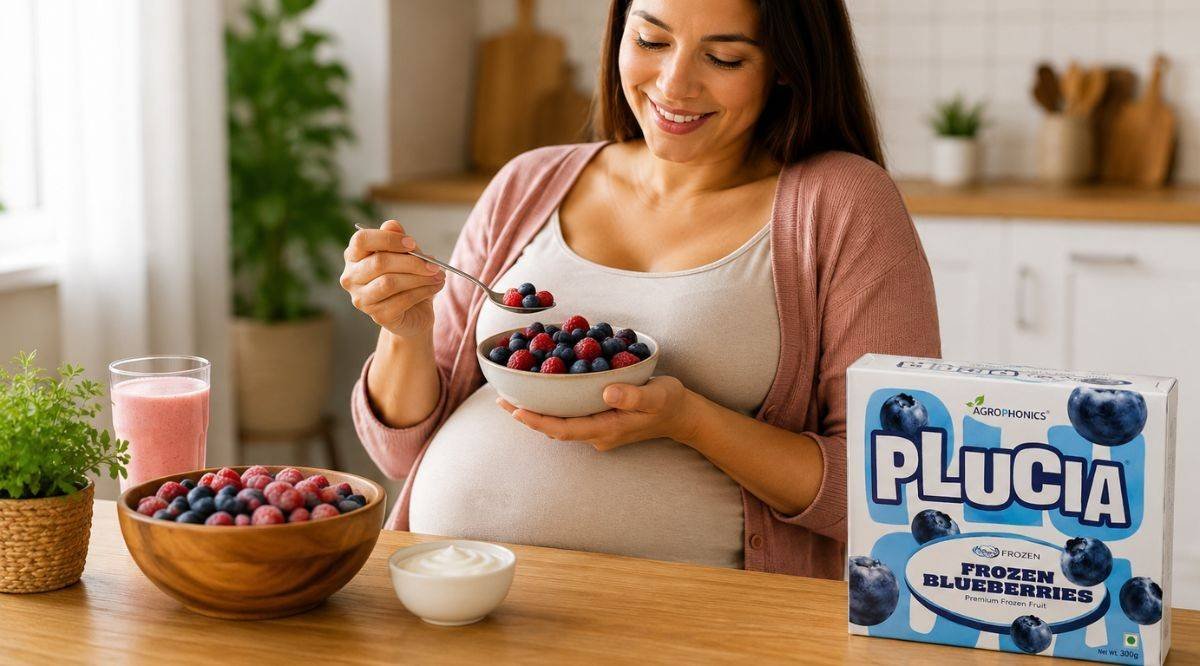
Pregnancy often comes with a long list of questions about what is safe to eat. Frozen berries are one of them. The good news is that frozen berries can be included in a healthy pregnancy diet, but they should be handled and prepared carefully.
Freezing helps preserve berries, but it does not guarantee that harmful germs have been eliminated. For this reason, pregnant women should pay attention to food hygiene, storage instructions and any specific food safety advice that applies to the product or region.
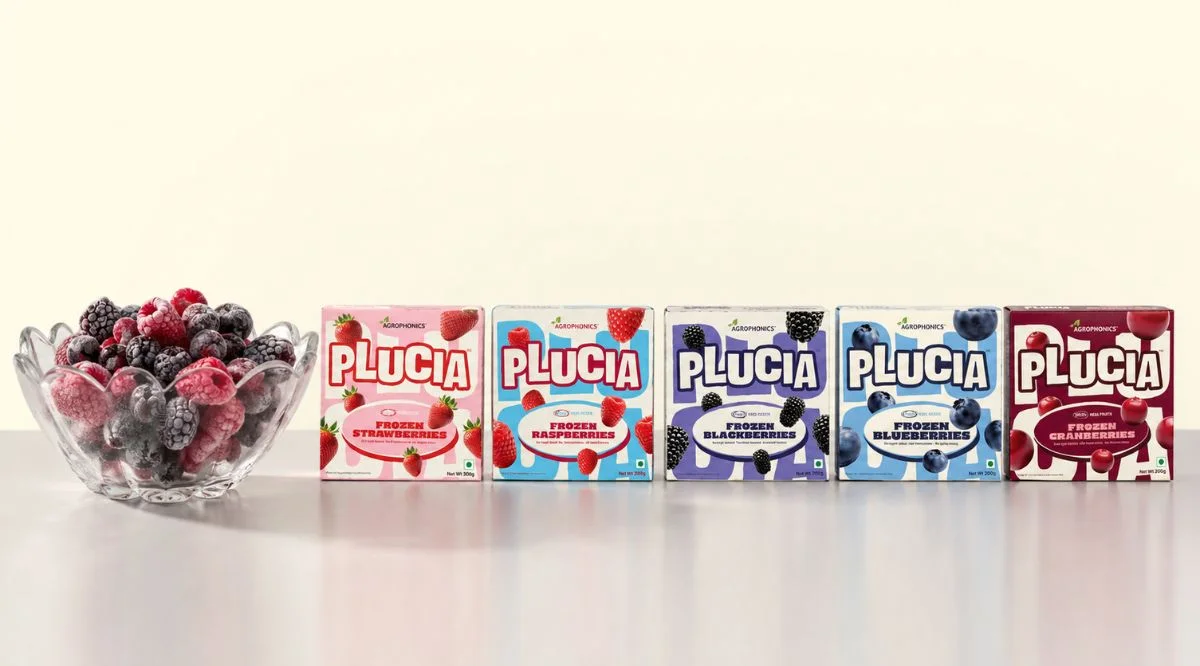
Agrophonics offers a range of frozen berries, including strawberries, blueberries, raspberries, blackberries, cranberries, blackcurrants, redcurrants and mixed berries. Here is what you need to know before adding them to your meals.
Are Frozen Berries Safe During Pregnancy?
Yes, frozen berries can be eaten during pregnancy when they have been properly handled and prepared.
The important point is that freezing is not the same as sterilising food. Some bacteria and viruses can survive freezing. This is why good food hygiene remains important, particularly during pregnancy when food safety deserves extra attention.
Check the product packaging, follow the manufacturer’s storage instructions and avoid products with damaged or compromised packaging.
If current food safety guidance recommends heating particular imported frozen berries, follow that advice. Heating berries thoroughly can be an important additional precaution for people at higher risk of foodborne illness, including pregnant women.
Why Eat Berries During Pregnancy?
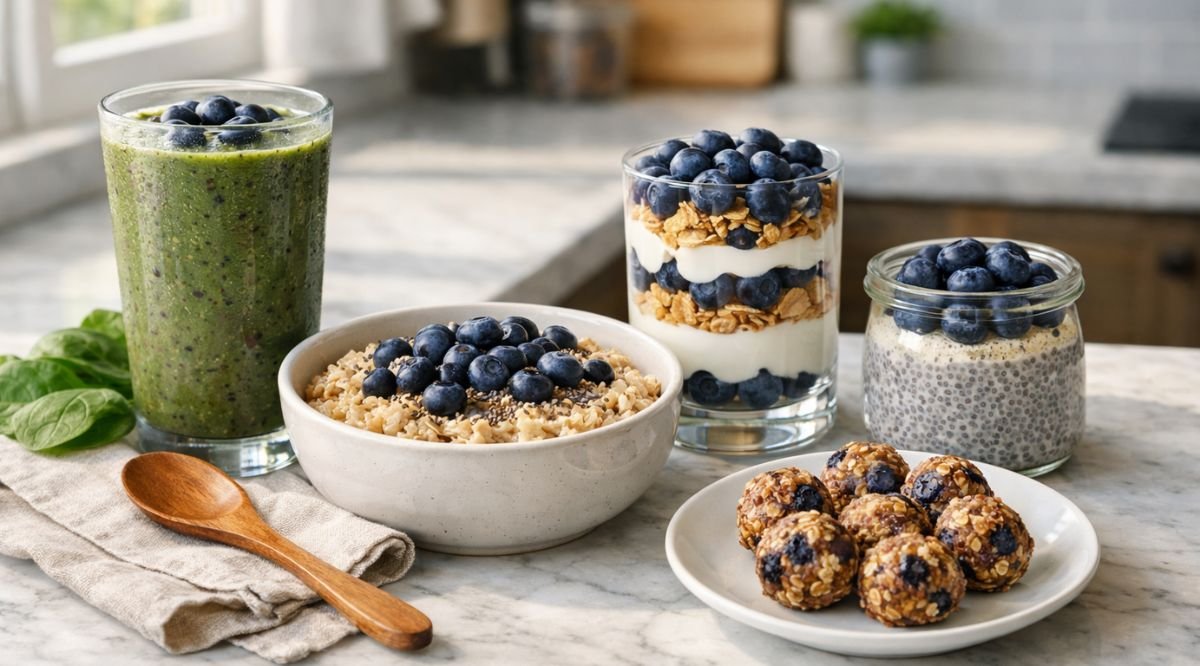
Berries can be a convenient way to add fruit, fibre and a variety of nutrients to your diet. They can be added to porridge, yoghurt, smoothies or cooked dishes.
The nutritional profile varies between different berries.
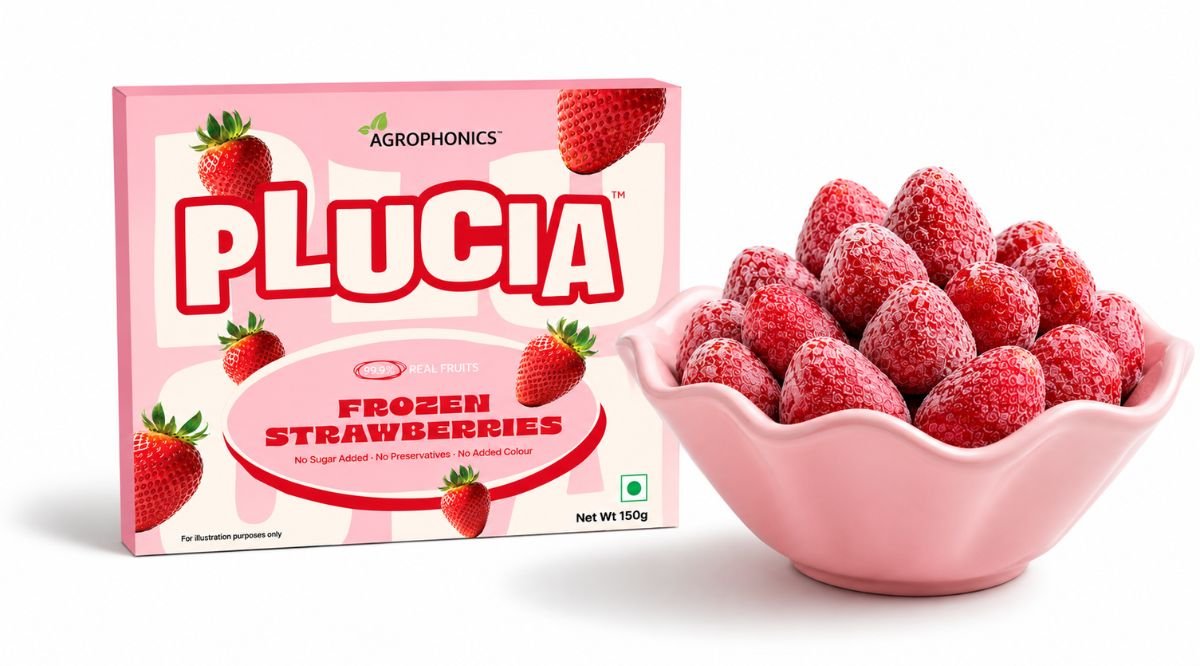
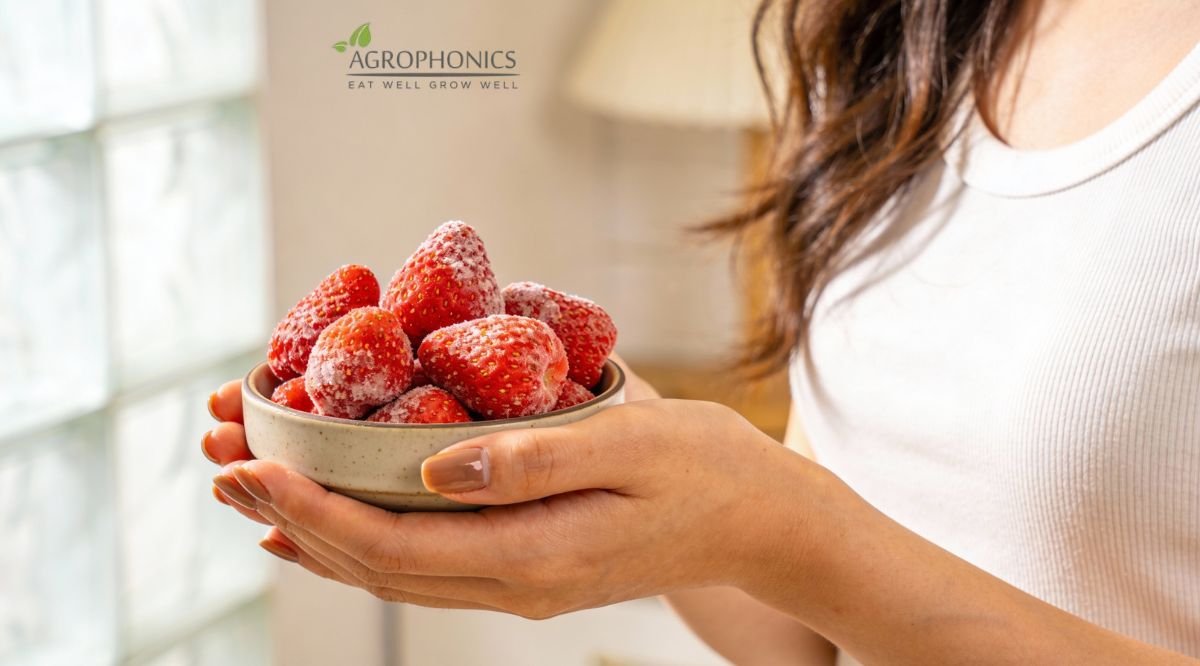
Frozen Strawberries
Strawberries are a good source of vitamin C and provide fibre. Vitamin C supports normal immune function and also helps the body absorb iron from plant foods.
Frozen strawberries can be useful when fresh berries are unavailable or when you want berries that are ready to store in the freezer.
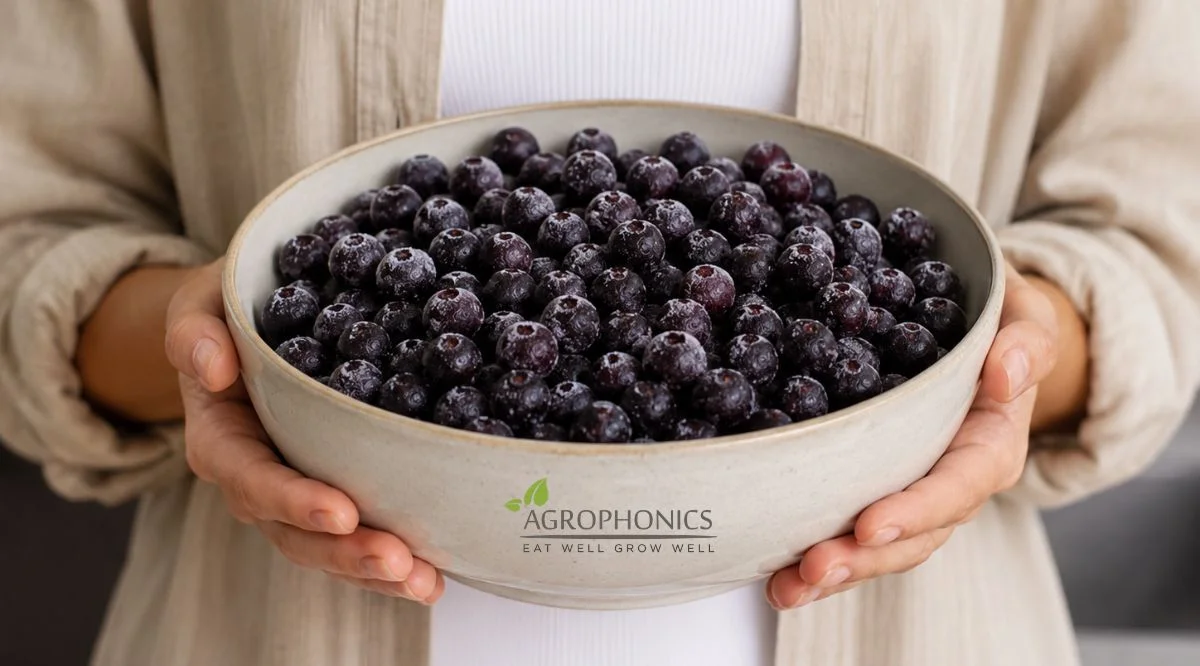
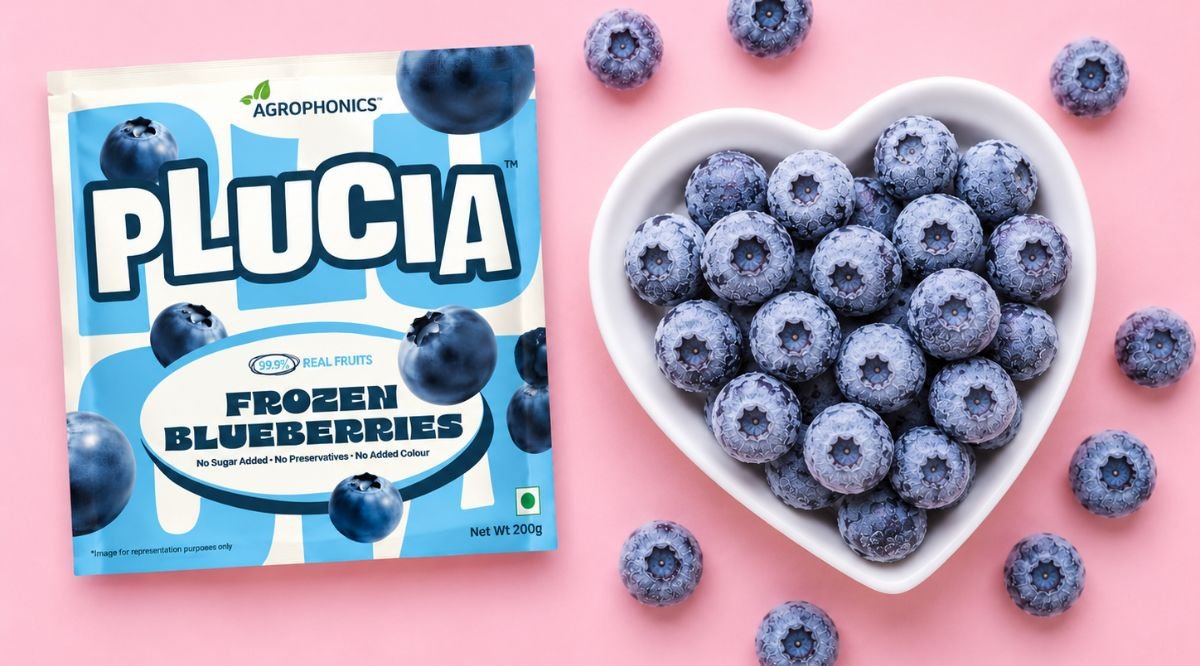
Frozen Blueberries
Blueberries contain fibre, vitamin C and naturally occurring plant compounds called anthocyanins. These compounds are responsible for much of the blue and purple colour of the fruit.
Adding frozen blueberries to porridge, yoghurt or other meals can be a simple way to increase your fruit intake.
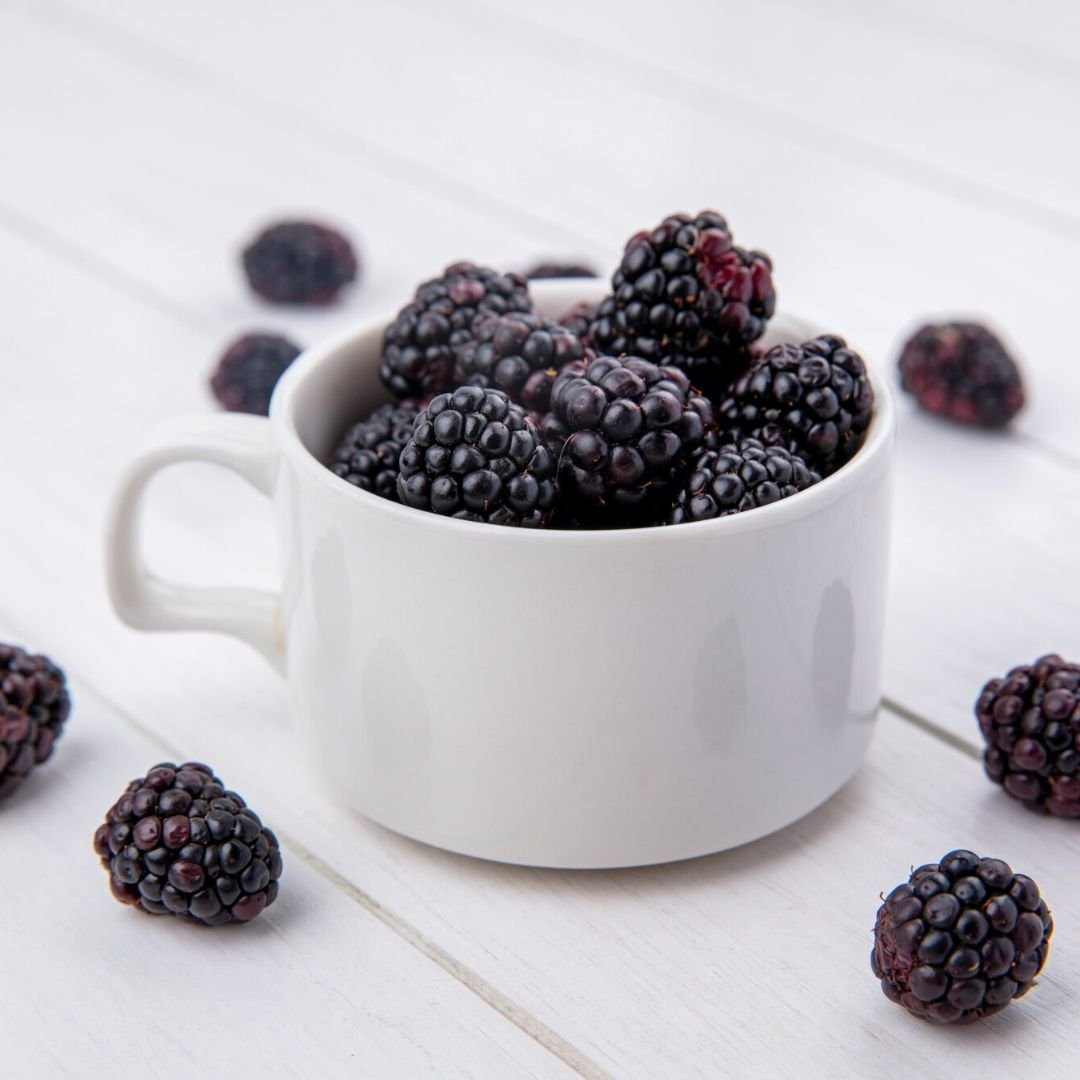
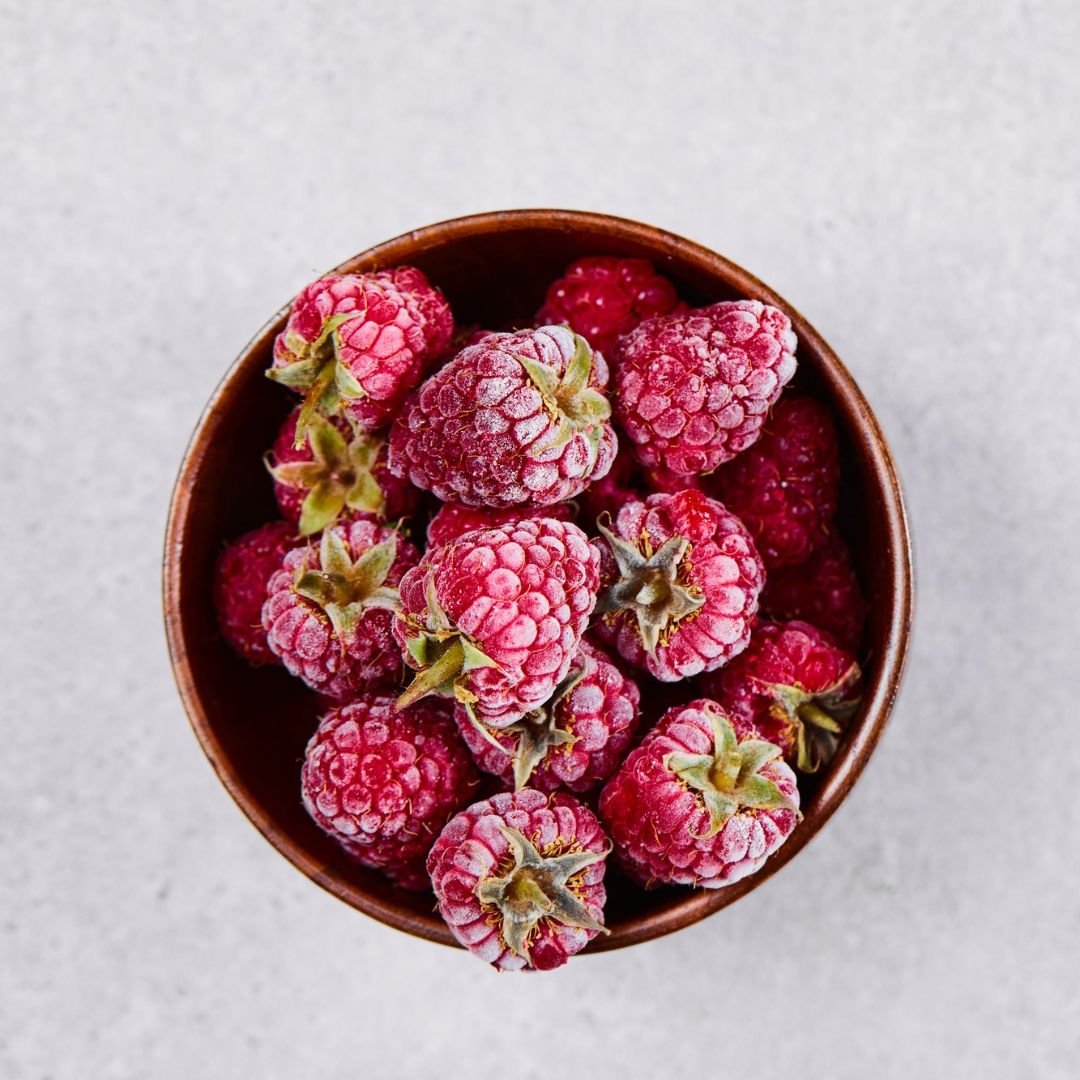
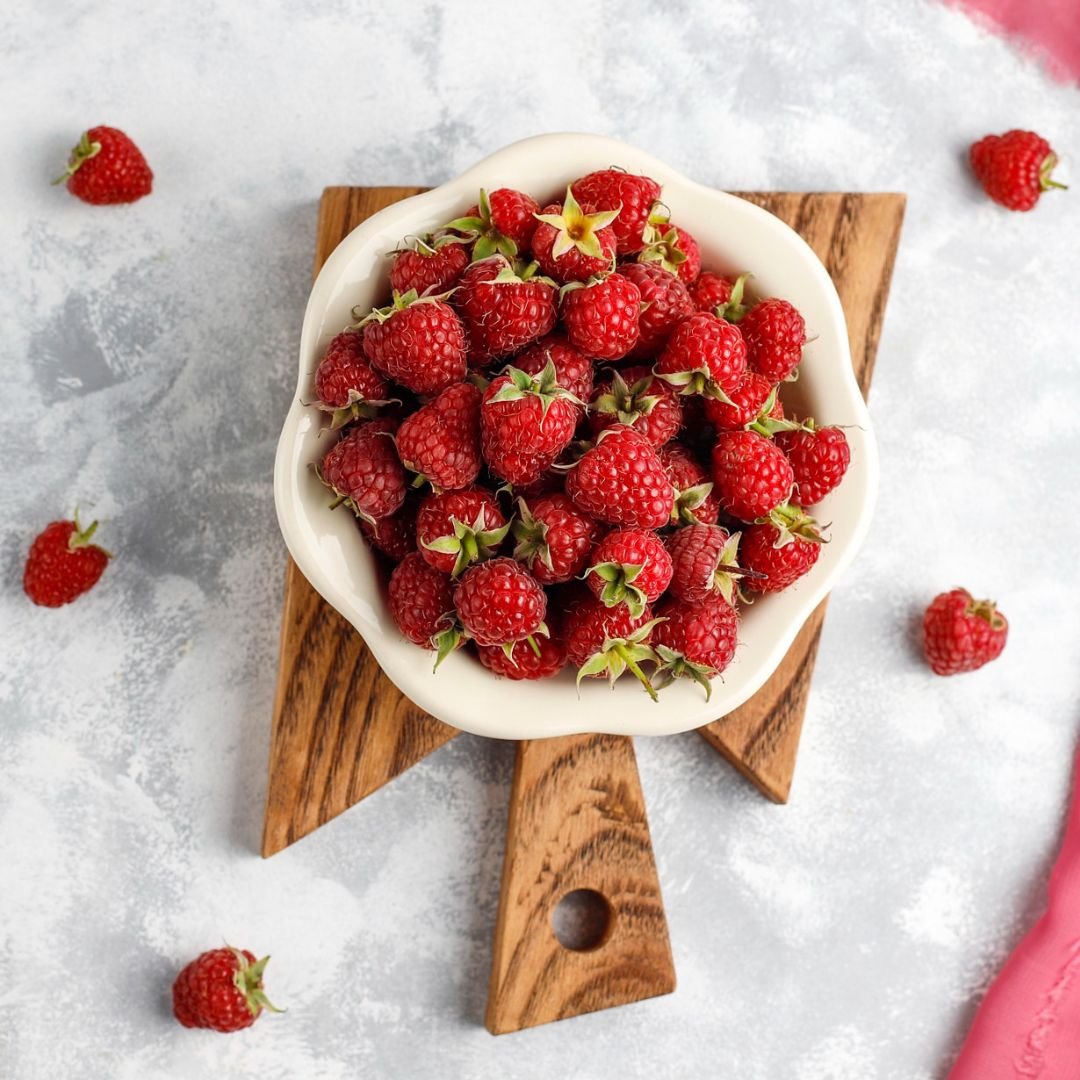
Frozen Raspberries and Blackberries
Raspberries and blackberries are particularly useful sources of dietary fibre and also provide vitamin C and other plant compounds.
Their flavour makes them easy to use in breakfast bowls, desserts or cooked recipes.
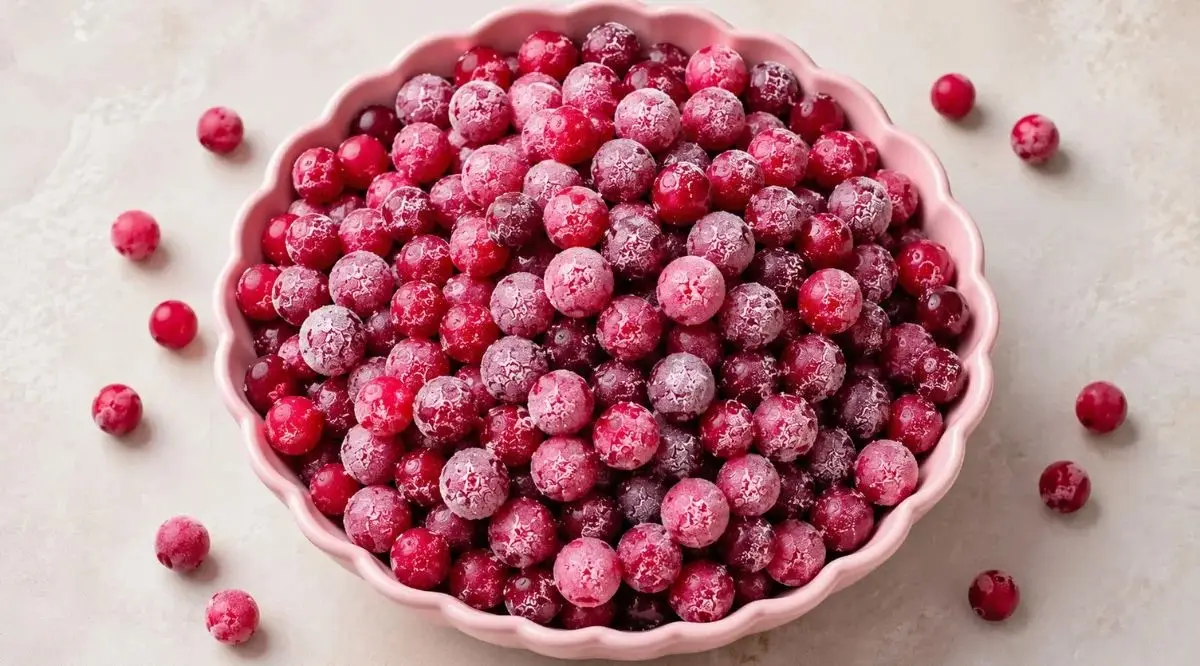
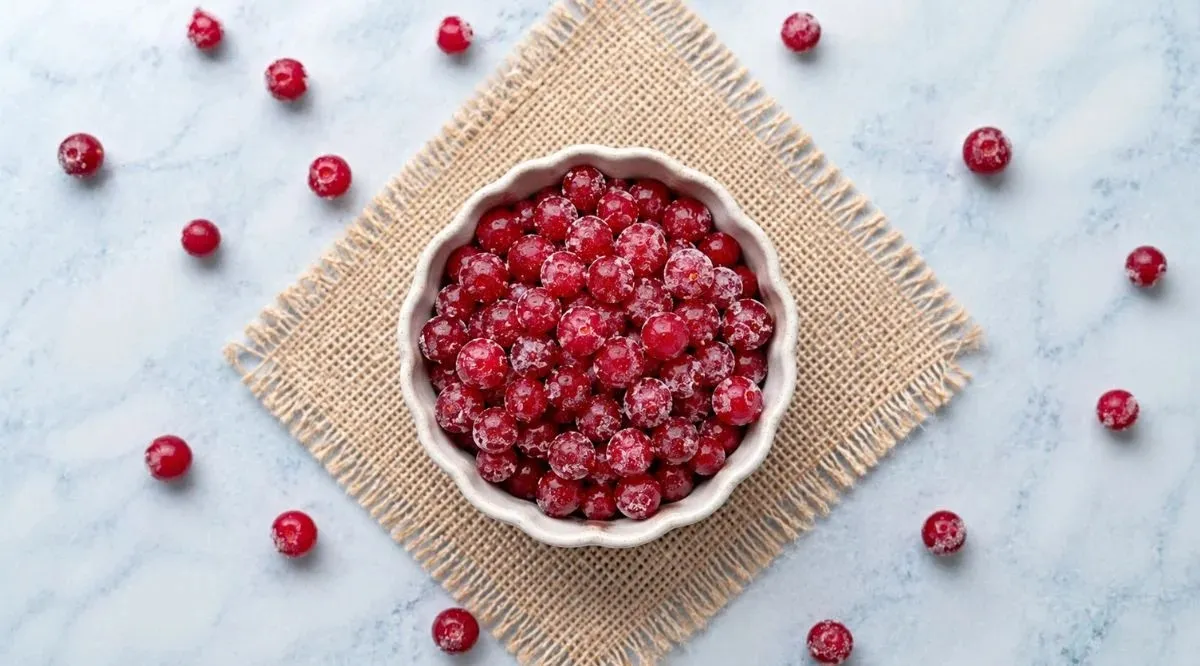
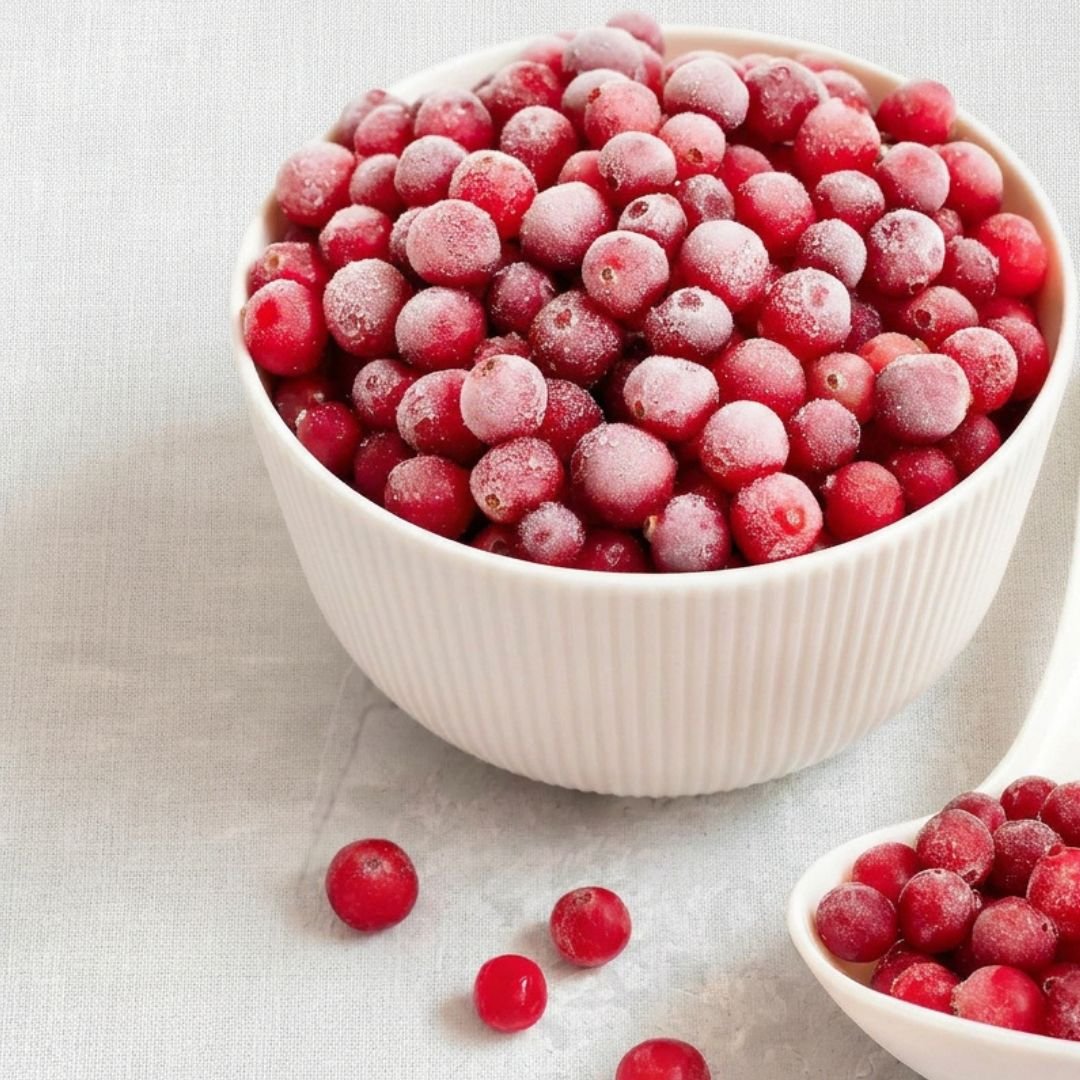
Frozen Cranberries
Cranberries contain fibre and naturally occurring plant compounds. They can add a sharp, distinctive flavour to recipes and work well in cooked dishes, sauces and other preparations.
It is worth remembering that cranberry products are not a substitute for medical treatment for urinary or other health conditions.
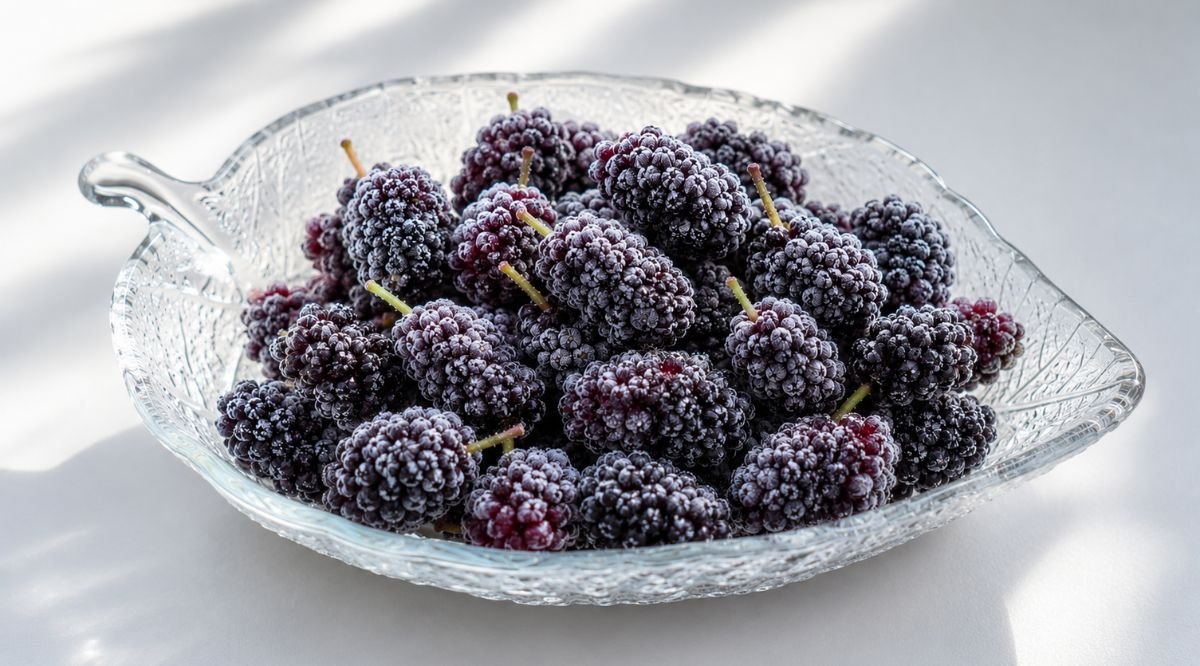
Frozen Blackcurrants and Redcurrants
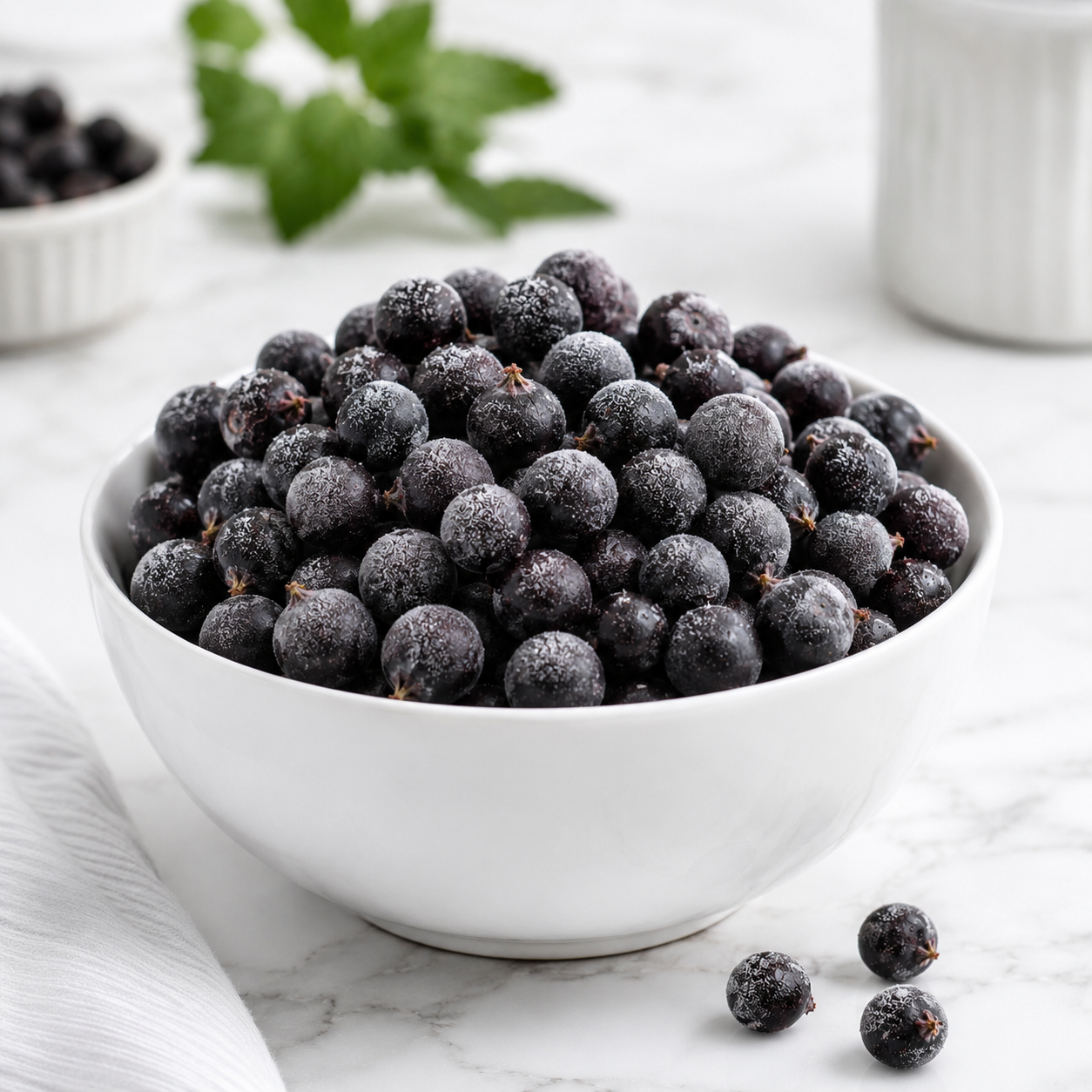
Blackcurrants are naturally rich in vitamin C and contain anthocyanins, while redcurrants provide vitamin C, fibre and other plant compounds.
Both can add variety to a pregnancy diet when prepared and handled appropriately.
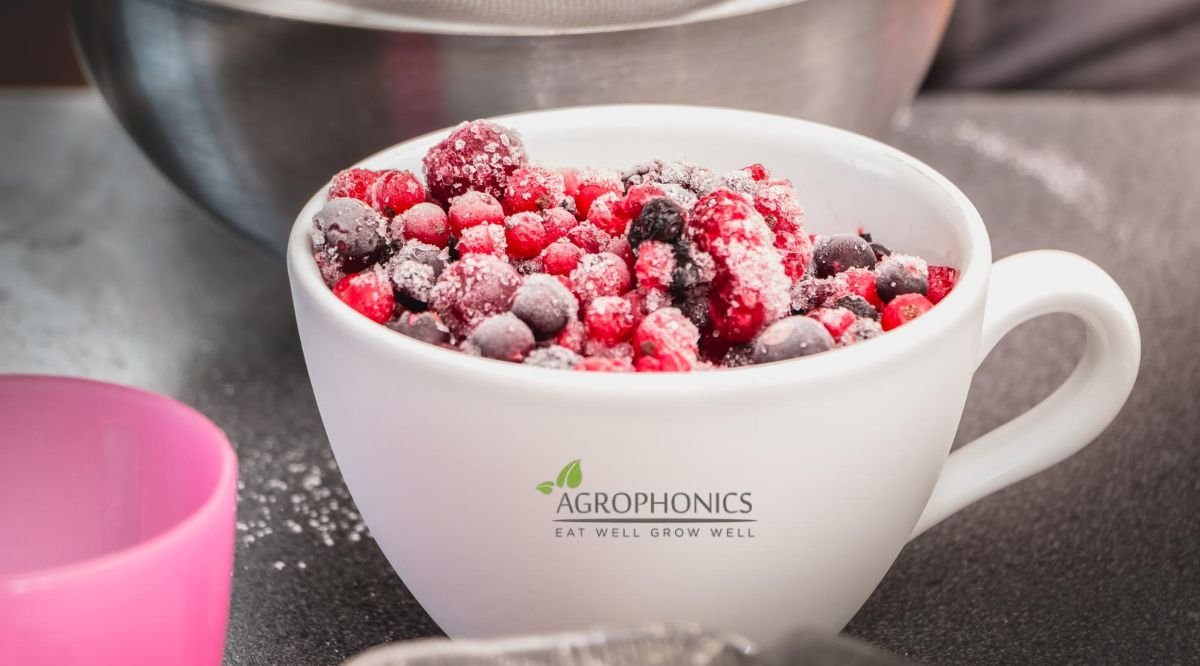
Frozen Mixed Berries
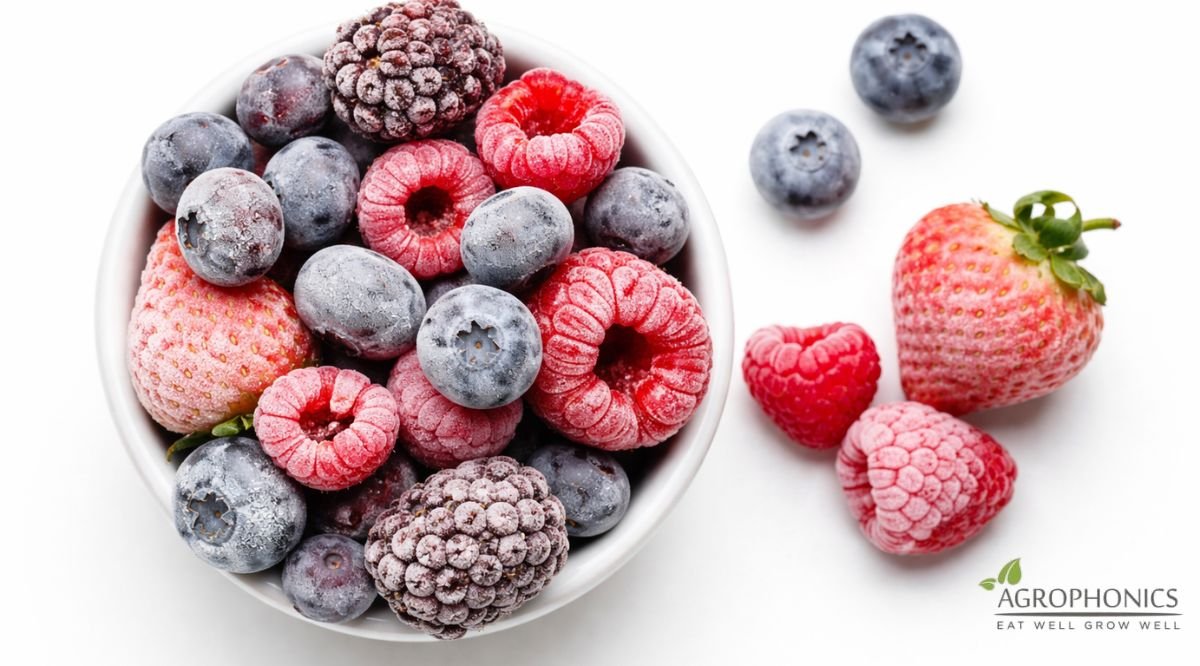
Mixed berries can combine several types of fruit in one product. Depending on the blend, this may include strawberries, blueberries, raspberries, blackberries or other berries.
Always check the ingredients and product instructions so you know exactly what is included.
How Should You Prepare Frozen Berries During Pregnancy?
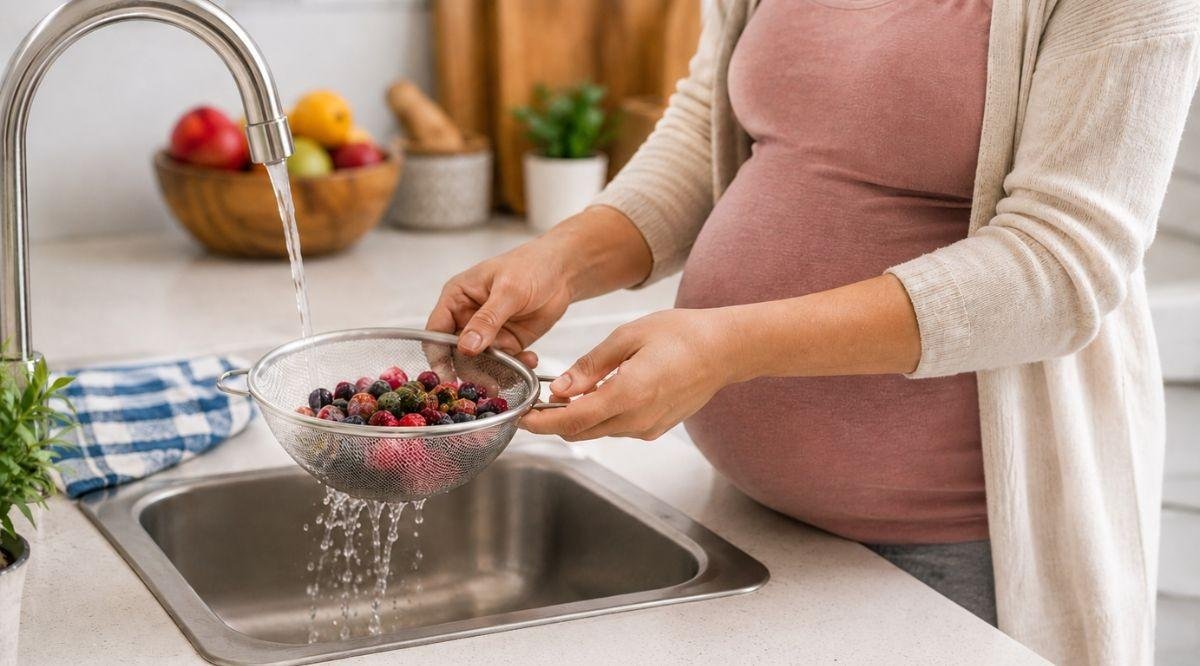
Safe handling is just as important as the berry itself.
Keep frozen berries frozen according to the storage instructions and avoid leaving them at room temperature for longer than necessary.
Wash your hands before preparing food and use clean utensils and surfaces. If you are thawing berries, follow the product instructions and avoid repeatedly thawing and refreezing them.
For pregnant women, the safest preparation method can depend on the type and origin of the frozen berries and current food safety advice. If guidance for your product recommends heating frozen berries, cook them thoroughly before eating rather than relying on freezing to remove potential pathogens.
This is particularly relevant when using imported frozen berries, as foodborne illness outbreaks have previously been associated with certain frozen berry products.
What Should You Check When Buying Frozen Berries?
If you are buying frozen berries during pregnancy, a few simple checks can help you make a more informed choice.
Look at the packaging before buying. It should be intact and suitable for frozen storage. Check the product information and storage instructions, and make sure the berries have been stored appropriately.
It is also sensible to buy from an established seller that provides clear product information.
At Agrophonics, our frozen berry range includes frozen imported strawberries, blueberries, raspberries, blackberries, cranberries, blackcurrants, redcurrants, and mixed berries, giving shoppers several options depending on how they want to use them.
The key is not simply whether the berries are frozen. Their handling, storage and preparation all contribute to food safety.
Can You Eat Frozen Berries When Pregnant?
Yes, frozen berries can be part of a balanced pregnancy diet, provided they are handled and prepared safely.
Strawberries, blueberries, raspberries, blackberries, cranberries, blackcurrants and redcurrants can all provide useful nutrients and variety. However, pregnancy is a time to take extra care with foods that may carry a risk of foodborne illness.
If you are unsure about a particular frozen berry product, check the packaging instructions and current food safety guidance. If you have a specific medical condition, weakened immunity or concerns about food safety during pregnancy, speak with your doctor, midwife or other qualified healthcare professional.
Choosing Frozen Berries During Pregnancy

Frozen berries can be a convenient way to enjoy fruit during pregnancy, whether you choose strawberries, blueberries, raspberries, blackberries, cranberries, blackcurrants, redcurrants or a mixed berry blend. Along with their flavour, berries can add fibre, vitamin C and a variety of naturally occurring plant compounds to your diet.
When choosing frozen berries, look beyond the type of fruit. Check that the packaging is intact, follow the storage instructions and prepare the berries according to current food safety guidance. This is particularly important during pregnancy, when taking sensible precautions with food handling can help reduce the risk of foodborne illness.
At Agrophonics, you can find a range of imported frozen berries for different everyday uses, from breakfast bowls and smoothies to desserts and cooked recipes. Choosing the right berries ultimately comes down to your preference, how you plan to use them and how carefully they are stored and prepared.
Frequently Asked Questions
Q1. Can pregnant women eat frozen strawberries?
Answer: Yes. Frozen strawberries can be included in a pregnancy diet when handled safely. Follow the storage and preparation instructions on the product and any applicable food safety guidance.
Q2. Can you eat frozen blueberries during pregnancy?
Answer: Yes. Frozen blueberries can provide fibre, vitamin C and naturally occurring plant compounds. Safe handling and preparation remain important during pregnancy.
Q3. Should frozen berries be cooked during pregnancy?
Answer: It depends on the product, origin and applicable food safety guidance. Freezing does not reliably eliminate all harmful germs. Where official guidance recommends heating particular frozen berries for pregnant women or other higher-risk groups, follow that recommendation.
Q4. Do frozen berries need to be washed?
Answer: Follow the product instructions. Washing can help with surface contamination but should not be considered a substitute for appropriate cooking where food safety guidance recommends heating the berries.