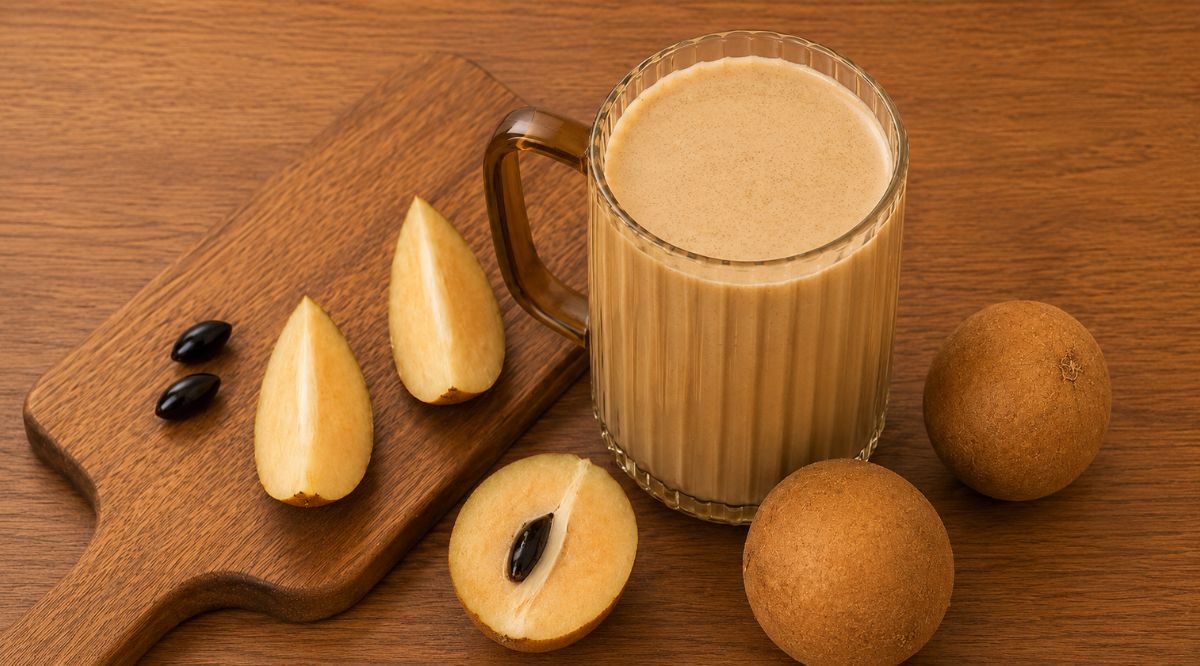
Chikoo, also known as sapota or sapodilla, is a naturally sweet tropical fruit enjoyed for its distinctive flavour and soft, creamy texture. But beyond eating the fresh fruit, chikoo pulp offers a convenient way to use this fruit in smoothies, beverages, desserts and other food applications.
So, what makes chikoo pulp worth choosing? From its naturally occurring carbohydrates and dietary fibre to its range of nutrients, chikoo can be a useful addition to a balanced diet. For anyone considering chikoo pulp for home use or food and beverage applications, understanding its nutritional qualities and what to look for when buying it can make the decision easier.
What Is Chikoo Pulp?
Chikoo pulp is the edible flesh of ripe chikoo fruit that has been processed into a smooth pulp for convenient use. Chikoo is commonly known as sapota in India and sapodilla in many other parts of the world.
Fresh chikoo can be delicious, but preparing it means washing, peeling and removing the seeds. Chikoo pulp offers a more convenient option when the fruit needs to be incorporated into recipes or beverages.
The quality of the finished pulp depends on factors such as the quality and ripeness of the fruit, processing practices, storage and handling.
Chikoo Pulp Nutrition: What Does It Offer?
Chikoo is naturally rich in carbohydrates and contains dietary fibre along with various vitamins and minerals. Its naturally sweet taste also makes it a popular fruit for shakes, smoothies and desserts.
The nutritional composition of a chikoo pulp product can vary depending on the fruit, processing method and formulation. This is why it is useful to check the product’s ingredient information and nutritional details rather than assuming every chikoo pulp product is identical.
| Nutritional characteristic | Why it matters |
| Natural carbohydrates | Contribute to the body’s energy intake |
| Dietary fibre | Supports a balanced, fibre containing diet |
| Potassium | An essential mineral involved in normal body functions |
| Vitamin C | A vitamin that contributes to normal immune function |
| Antioxidant compounds | Help protect cells from oxidative stress |
Health Benefits of Chikoo Pulp
1. A natural source of energy
One of the reasons chikoo is popular as an energy giving fruit is its naturally occurring carbohydrates. Carbohydrates are an important source of energy for the body, making carbohydrate-containing foods useful as part of a balanced diet.
Chikoo’s naturally sweet flavour also makes its pulp a practical ingredient for smoothies, shakes and other recipes where you want the taste of ripe fruit without preparing the whole fruit.
2. Contains dietary fibre
Chikoo naturally contains dietary fibre, which is an important part of a balanced diet. Fibre is associated with normal digestive health and can help contribute to overall dietary fibre intake.
The amount of fibre available in a particular pulp product can depend on how the fruit has been processed, so product specific nutritional information should always be checked.
3. Provides naturally occurring nutrients
Chikoo contains several vitamins and minerals, including vitamin C and potassium. These nutrients have important roles in normal body functions.
Rather than viewing chikoo as a replacement for a varied diet, it is better understood as one fruit that can contribute useful nutrients as part of overall healthy eating.
4. Contains antioxidant compounds
Chikoo contains naturally occurring plant compounds with antioxidant properties. Antioxidants are substances that help protect cells from oxidative stress.
This is one reason fruit rich diets are generally encouraged as part of a balanced eating pattern. However, it is important not to turn the antioxidant content of chikoo into exaggerated claims about preventing or treating diseases.
How Can Chikoo Pulp Be Used?
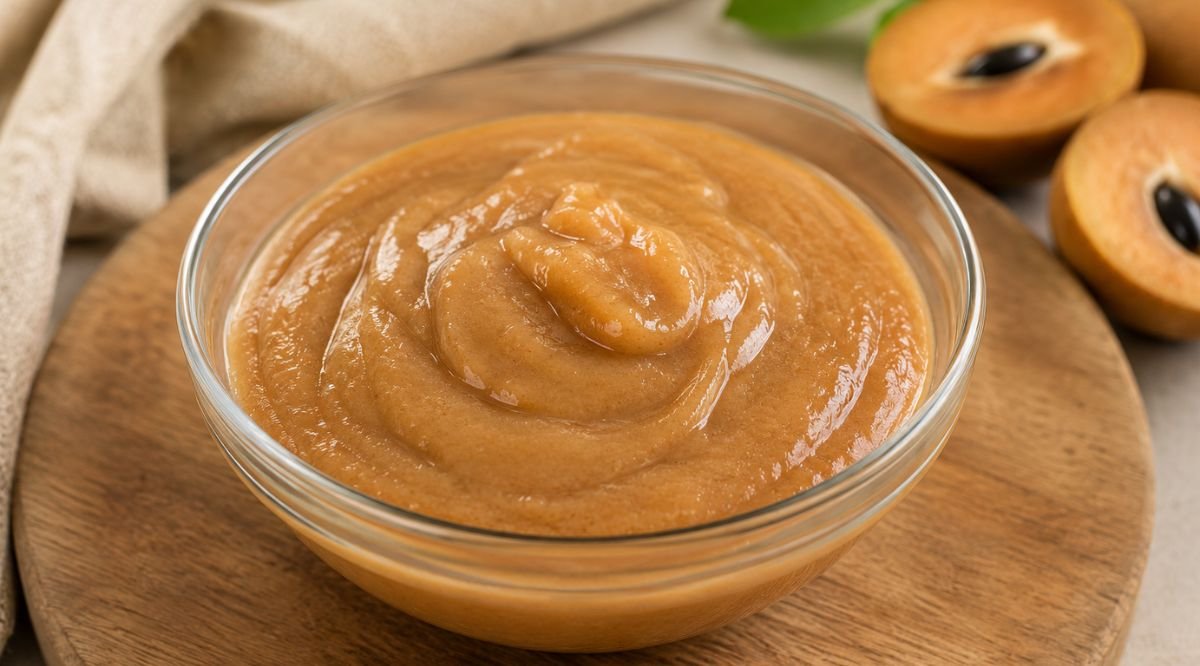
One of the biggest advantages of chikoo pulp is its versatility. Its naturally sweet flavour and creamy texture can work well across different food and beverage applications.
Common uses include:
- Smoothies and fruit shakes
- Milkshakes and beverages
- Desserts and ice creams
- Fruit based preparations
- Food and beverage formulations
For food businesses, using pulp can also make fruit based preparation more convenient and consistent than processing individual fresh fruits for every batch.
At AgroPhonics, chikoo pulp can be considered as a practical fruit ingredient for applications where the distinctive flavour and character of ripe chikoo are required.
Fresh Chikoo vs Chikoo Pulp: Which Should You Choose?
There is no universal answer because the better choice depends on how you intend to use the fruit.
Fresh chikoo works well when you want to eat the fruit directly. Chikoo pulp can be more convenient when you need an ingredient for repeated preparation, beverages or other food applications.
| Fresh chikoo | Chikoo pulp |
| Ready to eat after preparation | Convenient for recipes and beverages |
| Requires peeling and seed removal | Prepared fruit pulp is easier to use |
| Suitable for direct consumption | Suitable for multiple food applications |
| Quality can vary between individual fruits | Product consistency depends on the supplier and processing |
For commercial users, the choice can also depend on supply consistency, storage requirements, packaging and the specifications of the pulp.
What Should You Look for When Buying Chikoo Pulp?
Not every chikoo pulp product will necessarily be the same. Before buying, consider the following:
- Ingredient transparency: Check what the product contains and whether additional ingredients have been used.
- Fruit quality: The quality of the raw fruit plays an important role in the character of the finished pulp.
- Processing and food safety: Choose a supplier that can clearly explain its quality and food safety practices.
- Storage requirements: Follow the supplier’s storage instructions to help maintain product quality.
- Packaging: Suitable packaging and handling are important for protecting the product during storage and transport.
- Supplier reliability: For businesses, consistent quality and dependable supply can be just as important as price.
If you are buying chikoo pulp for regular food production, beverages or commercial applications, ask the supplier for product specifications and relevant quality information before making a decision.
Choosing Chikoo Pulp With More Confidence
Chikoo pulp is more than simply a convenient alternative to preparing fresh fruit. Its naturally sweet flavour, nutritional characteristics and versatility make it an interesting ingredient for both everyday recipes and food and beverage applications.
The most important consideration is not simply whether chikoo pulp has health benefits. It is whether the product you choose offers the quality, transparency, consistency and specifications you actually need.
For consumers and businesses exploring chikoo pulp, Agrophonics aims to make that choice easier by focusing on practical fruit pulp solutions and the needs of the people using them. Before placing an order, consider your intended application, required specifications and storage conditions so that the chikoo pulp you choose fits your needs from the start.
Frequently Asked Questions About Chikoo Pulp
Q1. Is chikoo pulp healthy?
Answer: Chikoo pulp can provide naturally occurring carbohydrates, dietary fibre and various nutrients found in chikoo fruit. Its nutritional contribution depends on the specific product and how it has been processed, so checking the product information is recommended.
Q2. Does chikoo pulp provide energy?
Answer: Chikoo naturally contains carbohydrates, which contribute to the body’s energy intake. This makes chikoo pulp a useful fruit ingredient for energy containing foods and beverages.
Q3. Is chikoo pulp the same as sapota pulp?
Answer: Yes. Chikoo and sapota are commonly used names for the same fruit, while sapodilla is another widely recognised name. Therefore, chikoo pulp and sapota pulp generally refer to pulp made from the same fruit.
Q4. How can chikoo pulp be used?
Answer: Chikoo pulp can be used in smoothies, shakes, beverages, desserts, ice creams and other food preparations, depending on the product specifications and intended application.
Q5. What should I check before buying chikoo pulp?
Answer: Look at the ingredient information, fruit quality, processing and food safety practices, packaging, storage requirements and the supplier’s ability to provide consistent product quality.