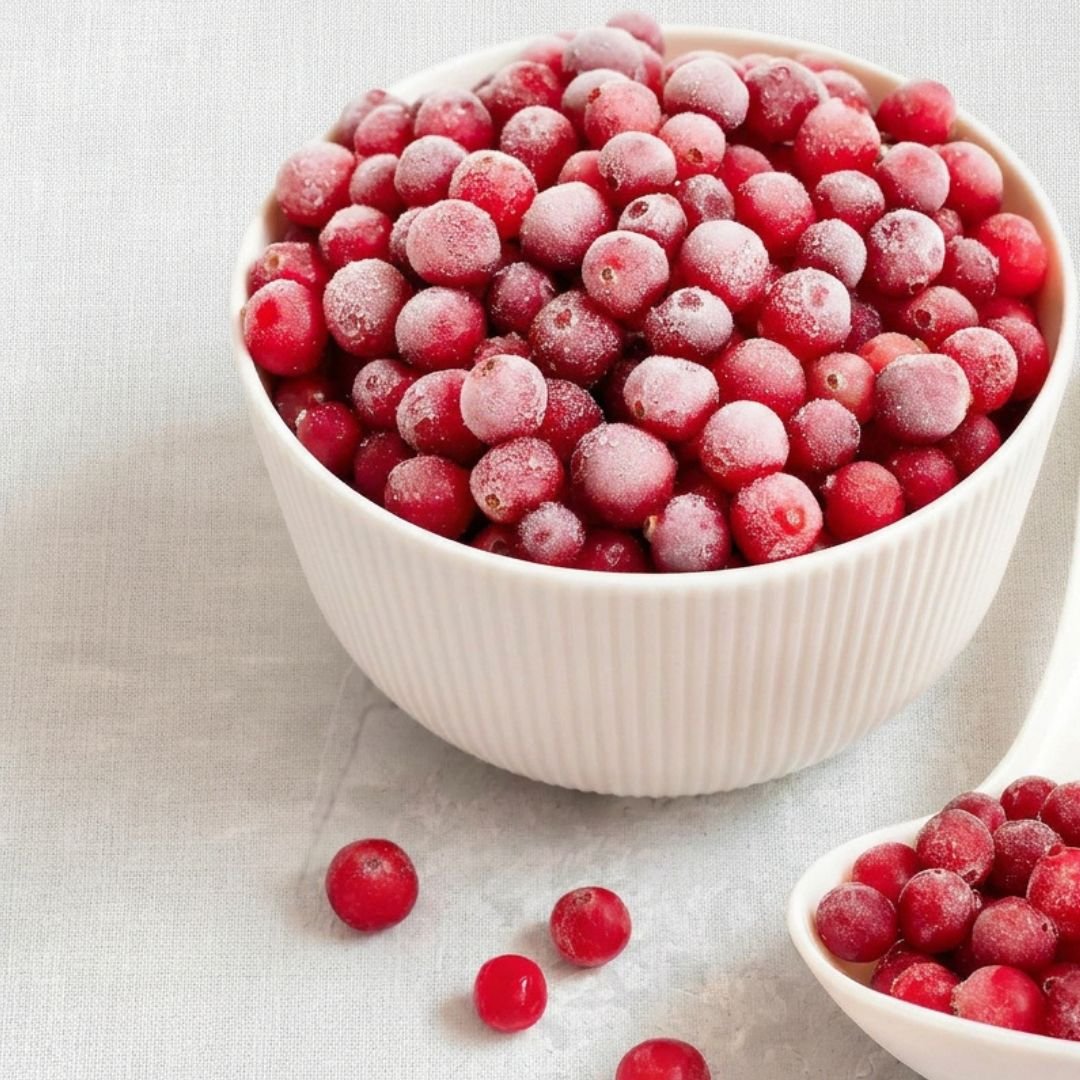


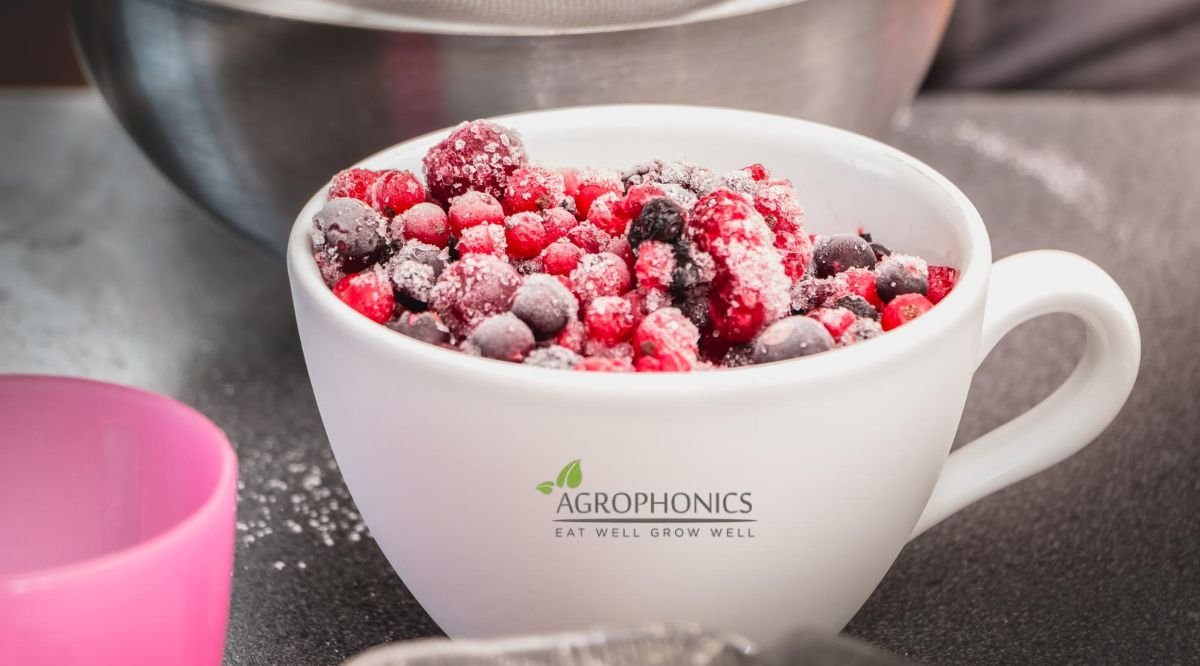
Nutrition plays a major role in fitness performance and post-workout recovery. While protein often gets the most attention, fruits are equally important in a balanced gym diet. They provide natural carbohydrates for energy, antioxidants for recovery, and essential vitamins and minerals that support muscle function. Among the most convenient options available today, Frozen Fruits have become increasingly popular among fitness enthusiasts because they are easy to store, nutrient-rich, and available throughout the year.
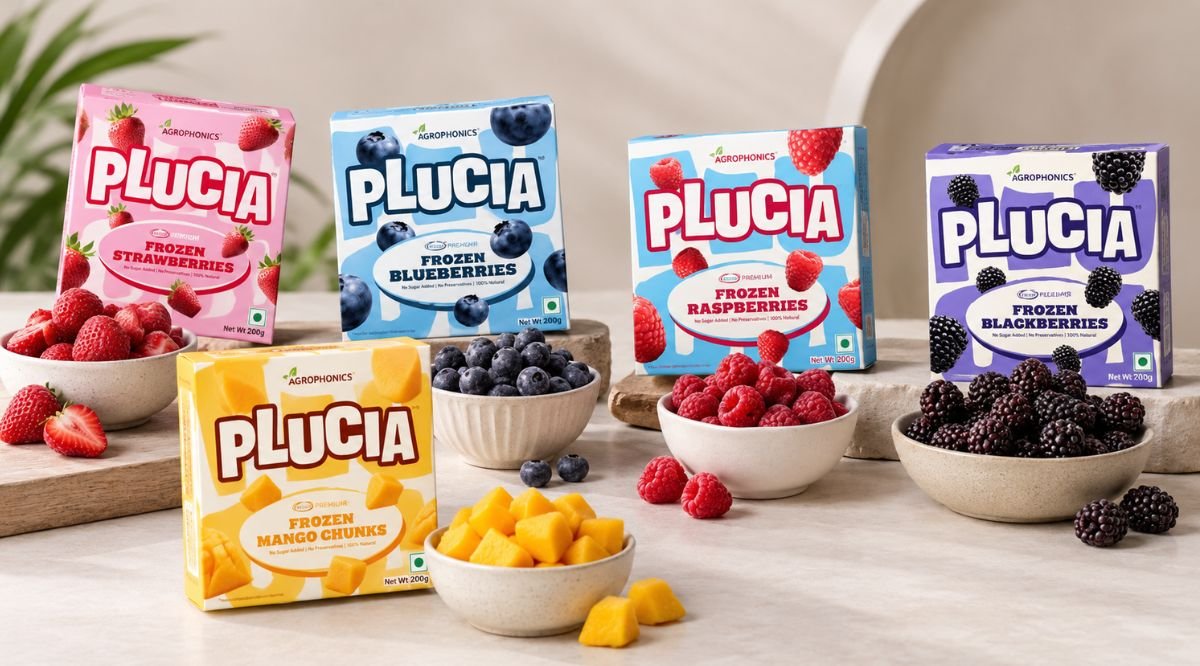
Unlike seasonal fresh fruits, frozen fruits are harvested at peak ripeness and quickly frozen to preserve nutrients. This makes them a practical addition to post-workout meals, smoothies, and snacks. Many athletes and health-conscious consumers now purchase frozen fruits online for convenience and consistent quality, often relying on trusted frozen fruit distributors and frozen fruit suppliers such as Agrophonics.
In this blog, we explore some of the best frozen fruits to include in a gym diet and explain how they support energy, recovery, hydration, and muscle repair.
Why Fruits Matter in Muscle Recovery
After intense exercise, the body needs nutrients to recover. Muscles use glycogen for fuel during workouts, and this energy needs to be replenished afterward. Exercise can also increase oxidative stress and cause small amounts of muscle tissue breakdown.
Fruits support recovery because they provide:
• Natural carbohydrates to restore glycogen
• Antioxidants to reduce exercise-induced stress
• Potassium and magnesium for muscle function
• Vitamins that support tissue repair
• Hydration due to high water content
Including fruits in post-workout meals helps the body recover more efficiently and supports long-term performance.
1. Frozen Blueberries for Recovery and Inflammation Support
Blueberries are often considered one of the best fruits for active individuals because of their antioxidant content. They contain anthocyanins, compounds linked to reduced inflammation and better recovery after exercise.
Benefits for gym diets:
• Help reduce oxidative stress after workouts
• Support faster recovery from muscle soreness
• Provide natural carbohydrates for energy
• Pair well with protein smoothies and oats
Adding frozen blueberries to a post-workout shake is a simple way to combine taste and recovery support.
2. Frozen Bananas for Energy and Muscle Function
Bananas are a classic fitness food, and frozen bananas are perfect for smoothies.
Why they work well:
• Rich in potassium, which supports muscle contractions
• Help replenish glycogen stores
• Support hydration balance
• Provide quick energy before or after workouts
Frozen banana slices also make smoothies thicker and naturally sweet without added sugar.
3. Frozen Strawberries for Recovery and Immunity
Strawberries are low in calories but rich in vitamin C and antioxidants, making them valuable for both recovery and immune support.
Benefits include:
• Help reduce inflammation after training
• Support collagen production for tissue repair
• Provide hydration due to high water content
• Add natural sweetness to healthy meals
They work well in yogurt bowls, protein shakes, and post-workout snacks.
4. Frozen Mango for Glycogen Replenishment
Mango is a great fruit for athletes because it provides carbohydrates needed after exercise.
Why it supports recovery:
• Helps refill muscle glycogen stores
• Contains vitamin A and vitamin C
• Supports hydration
• Provides natural sugars for energy restoration
Frozen mango blends well into recovery smoothies and smoothie bowls.
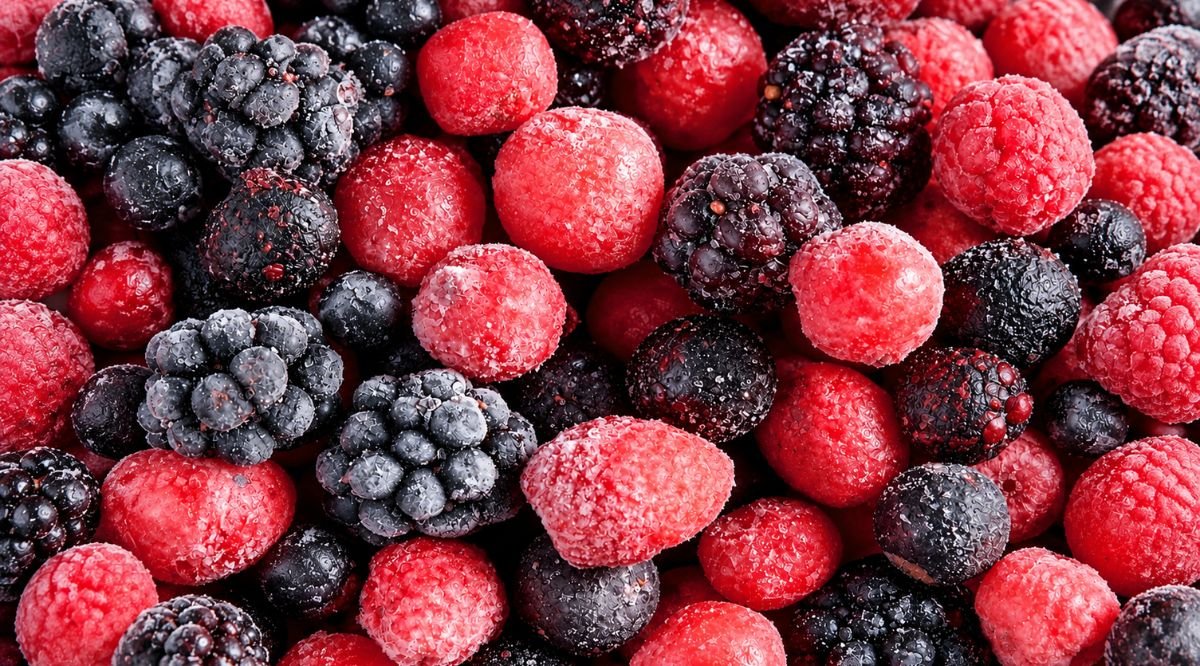
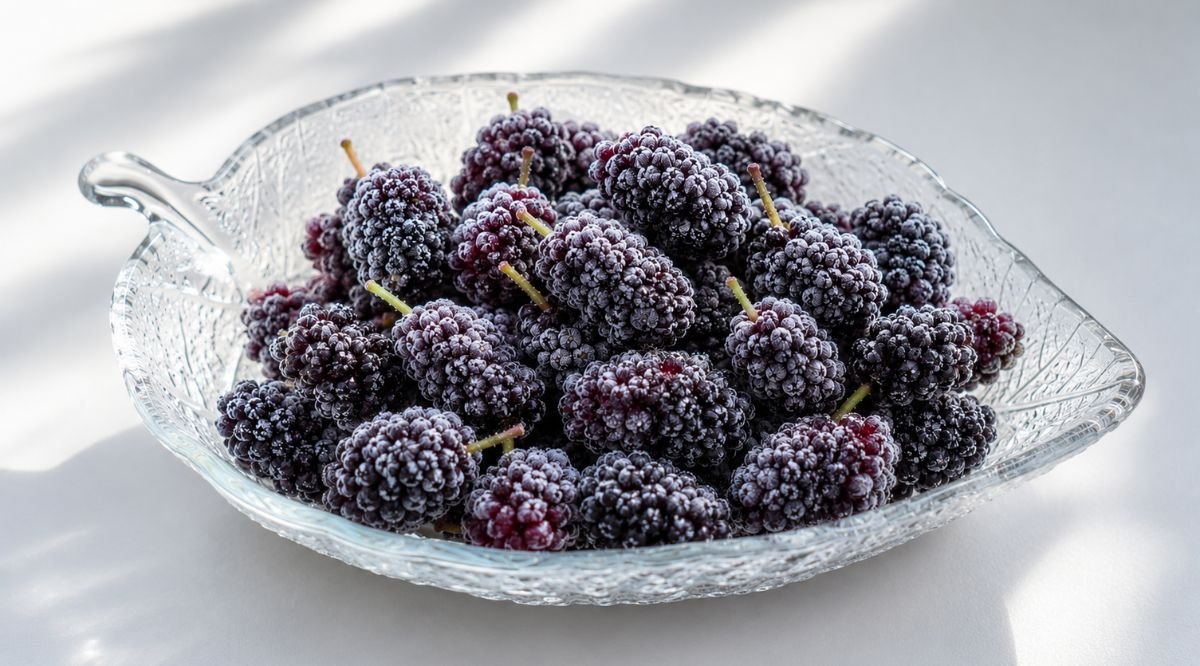
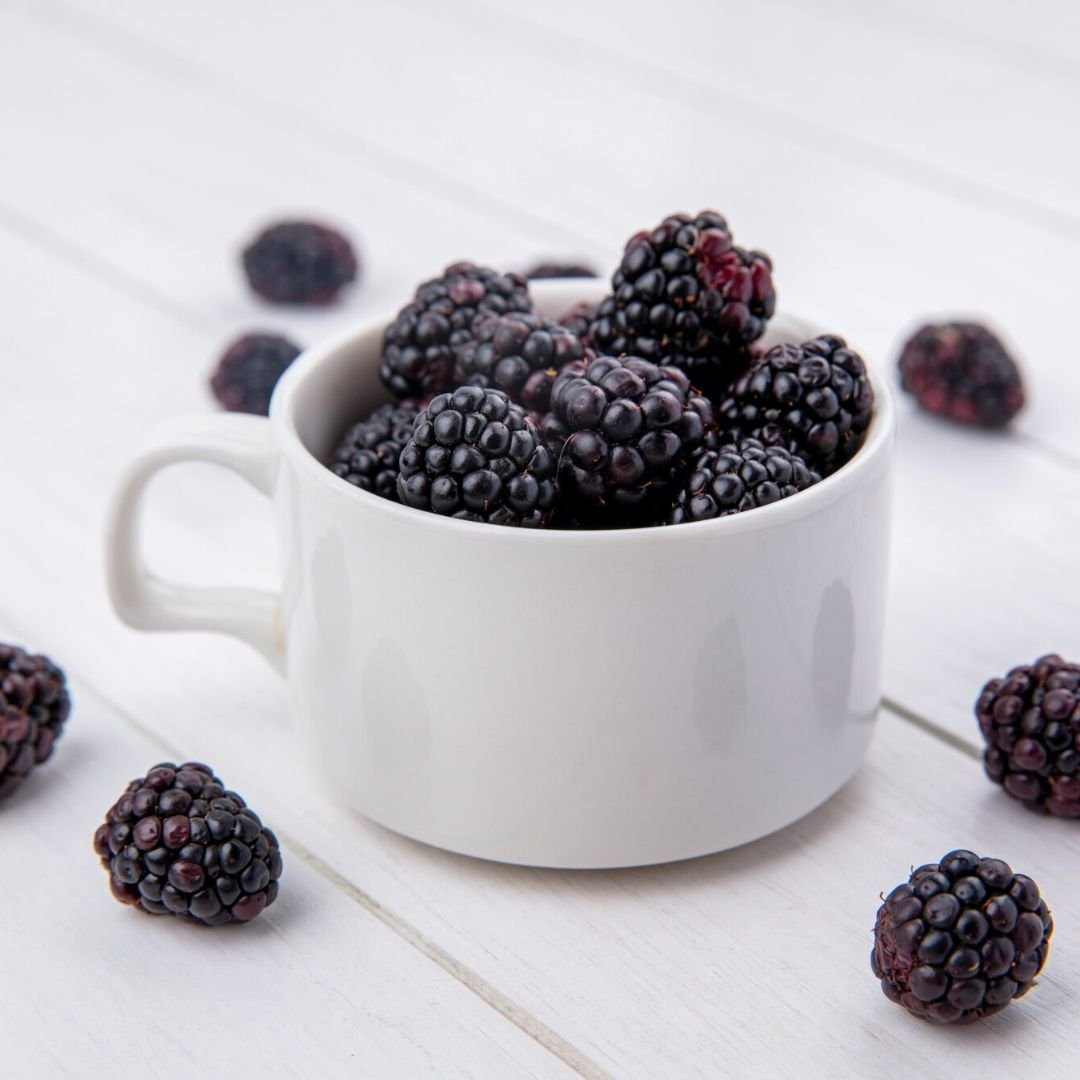
5. Frozen Blackberries for Antioxidants and Fiber
Blackberries offer a balance of fiber and antioxidants, making them useful in both sports nutrition and general wellness.
They support:
• Recovery through antioxidant protection
• Digestive health with fiber
• Better nutrient absorption through gut support
• Sustained energy levels
This makes them a valuable fruit for active lifestyles.
How Frozen Fruits Support Post-Workout Nutrition
Post-workout meals should ideally provide carbohydrates, protein, and recovery-supporting nutrients.
Frozen Fruits fit into this because they provide:
Natural Carbohydrates
These help restore glycogen used during exercise.
Examples:
• Banana
• Mango
• Blueberries
Antioxidants
Training can increase oxidative stress. Antioxidants help support recovery.
Examples:
• Blueberries
• Blackberries
• Strawberries
Electrolytes
Electrolytes help muscle function and hydration.
Examples:
• Bananas for potassium
• Berries for hydration support
Best Ways to Use Frozen Fruits in a Gym Diet
Frozen fruits are versatile and easy to add to meals.
Popular options include:
1. Protein Smoothies
Blend fruits with protein powder, yogurt, oats, or nut butter.
Good combinations:
• Banana + blueberry + whey protein
• Strawberry + yogurt + oats
• Mango + protein + chia seeds
2. Pre-Workout Snacks
Light fruit snacks can provide energy before training.
Examples:
• Frozen banana slices
• Fruit and yogurt bowls
• Smoothie cups
3. Post-Workout Recovery Bowls
Combine fruit with protein and healthy fats.
Examples:
• Greek yogurt with berries
• Oat bowls with frozen fruit
• Chia pudding topped with fruit
Why Many Athletes Prefer Frozen Fruits
Fresh fruits are excellent, but frozen options offer practical advantages.
Benefits of frozen fruits for active people:
• Available year-round
• Easy to store in bulk
• Ready to use anytime
• Less food waste
• Convenient for meal prep
Because of these benefits, many fitness-focused consumers now buy frozen fruits online for convenience and consistency.
Importance of Quality from Trusted Suppliers
Quality matters, especially when choosing foods for nutrition and performance.
Reliable frozen fruit distributors and frozen fruit suppliers help ensure:
• Proper harvesting at peak ripeness
• Rapid freezing to preserve nutrients
• Hygienic processing
• Stable cold-chain storage
• Consistent quality in every batch
This is why sourcing matters as much as the fruit itself.
Why Choose Agrophonics
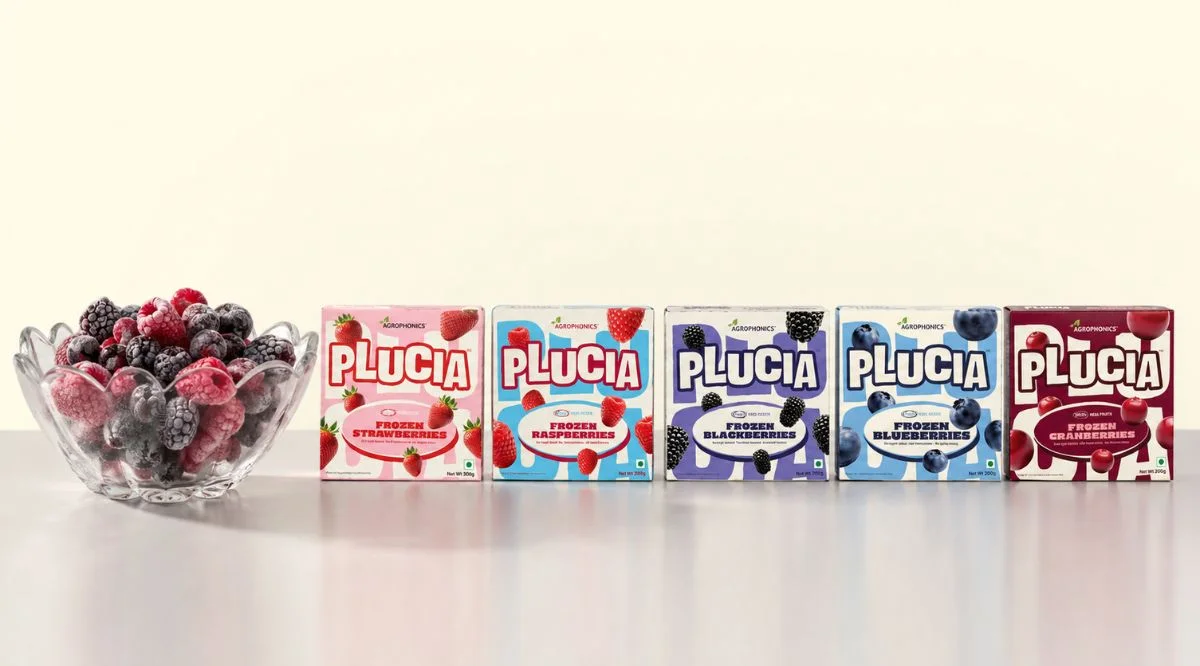
Agrophonics focuses on supplying quality frozen fruits suitable for both household and commercial use. Through proper sourcing, rapid freezing, and quality control, the company helps preserve flavor, nutrition, and freshness.
With dependable products from Agrophonics, adding fruit-based nutrition to a fitness routine becomes easier and more consistent.
Tips for Using Frozen Fruits for Recovery
To get the most from frozen fruits in a gym diet:
• Combine fruit with protein after workouts
• Use carbohydrate-rich fruits after intense training
• Add antioxidant-rich berries on recovery days
• Keep multiple fruit varieties for balanced nutrition
• Use frozen fruit for weekly meal prep
Consistency matters more than complexity.
Final Thoughts
Fruits play a valuable role in supporting training performance, recovery, and overall nutrition. They provide carbohydrates, antioxidants, hydration, and minerals that contribute to muscle recovery and athletic performance.
Including Frozen Fruits in a gym diet is a practical way to make recovery nutrition easier. Whether it is blueberries for inflammation support, bananas for energy, or mango for glycogen replenishment, frozen fruits offer both convenience and nutritional value.
With easy access through frozen fruits online, and trusted sourcing from frozen fruit distributors and frozen fruit suppliers like Agrophonics, fitness-focused individuals can enjoy year-round fruit nutrition that supports both performance and recovery.