For commercial bakers, selecting the best frozen berries for baking is as much about performance as flavour. In industrial baking environments, fruit ingredients must deliver consistency in size, moisture, colour retention, and bake stability across large production runs. This is why bakery professionals increasingly rely on IQF berries for baking, particularly when producing muffins, pastries, fillings, cakes, and premium desserts at scale.
Frozen berries offer year-round availability, reliable quality, and controlled functionality that fresh fruit often cannot match in manufacturing settings. From frozen blueberries for muffins to frozen imported strawberries, frozen imported blackberries, and frozen imported cranberries, premium frozen fruit ingredients have become essential components in modern commercial bakery formulations. For ingredient buyers and production teams sourcing wholesale frozen berries for bakeries, understanding which berry varieties perform best and why can directly influence product quality and operational efficiency.
Why Frozen Berries Are Preferred in Commercial Baking
Frozen berries are preferred in commercial baking because they support consistency, reduce seasonal variability, and perform predictably in scaled production. For industrial bakeries and food manufacturers, ingredient uniformity matters as much as flavor, and frozen fruit delivers that advantage.
Unlike fresh berries, which can vary significantly by harvest, handling, and shelf life, frozen berries particularly IQF formats, are processed at peak ripeness and preserved quickly to maintain structure and flavour. This helps bakers achieve repeatable results in everything from laminated pastries to fruit-filled cakes.
Another major advantage is reduced waste. Fresh berries can bruise, leak, or deteriorate rapidly, while bulk frozen berries maintain usability for extended periods. For bakeries managing production schedules, frozen fruit improves inventory planning while supporting cost control. This is especially valuable when sourcing commercial bakery ingredients across multiple product lines.
Key Qualities to Look for in Bakery-Grade Frozen Berries
Not all frozen fruit is suitable for industrial baking. Bakery-grade frozen berries are selected for specific processing and baking characteristics, not simply for retail-quality appearance.
The most important characteristic is structural integrity. Berries should hold shape during mixing and baking without collapsing excessively or releasing uncontrolled moisture. This matters particularly in muffins, inclusions, and pastry applications where fruit definition affects both appearance and eating quality.
Moisture management is equally important. Excess free water can disrupt batters, weaken fillings, and reduce shelf stability. Professional bakers look for fruit with predictable brix levels, controlled thaw behavior, and low incidence of ice damage.
Quality buyers also assess:
- Berry size uniformity, color consistency, and minimal broken fruit
- IQF processing quality, clean label handling, and dependable supply chain sourcing
Premium IQF fruit suppliers also provide traceability, varietal selection, and product specifications aligned with industrial use. For many manufacturers, sourcing from experienced ingredient partners such as Agrophonics helps ensure reliable access to premium frozen fruit ingredients suited for production requirements.
Best Frozen Berry Types for Commercial Baking Applications
Different berries serve different functions in commercial baking. The best frozen berries for baking depend on formulation, process conditions, and desired finished product characteristics.
Frozen Blueberries for Muffins and Cakes
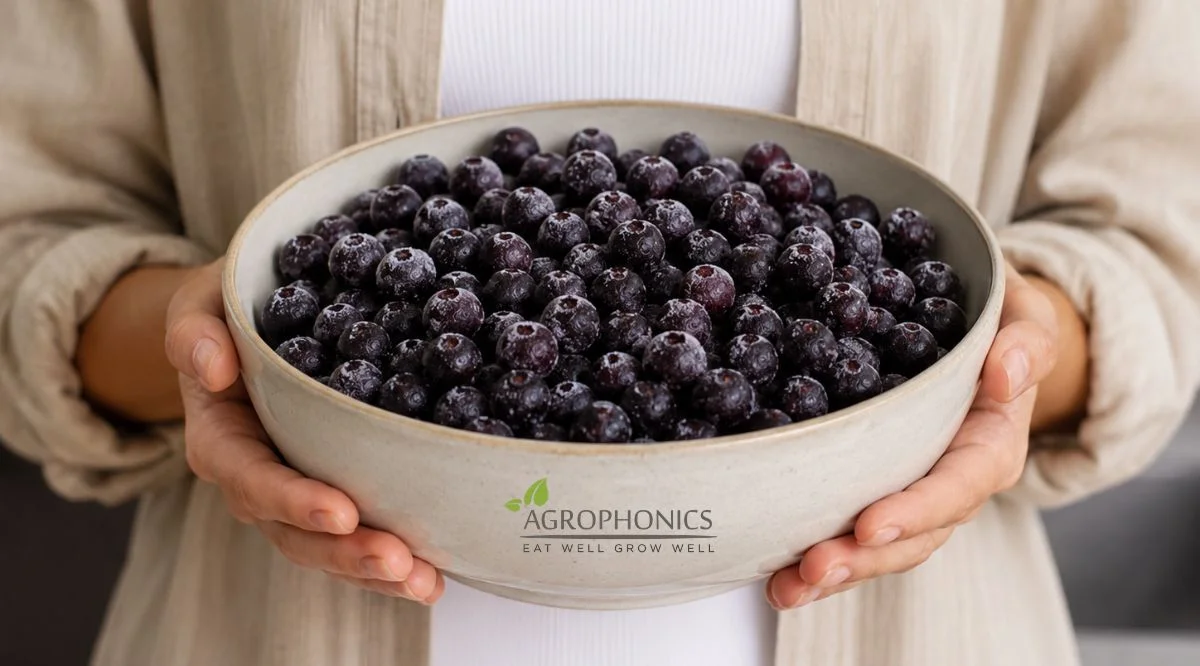
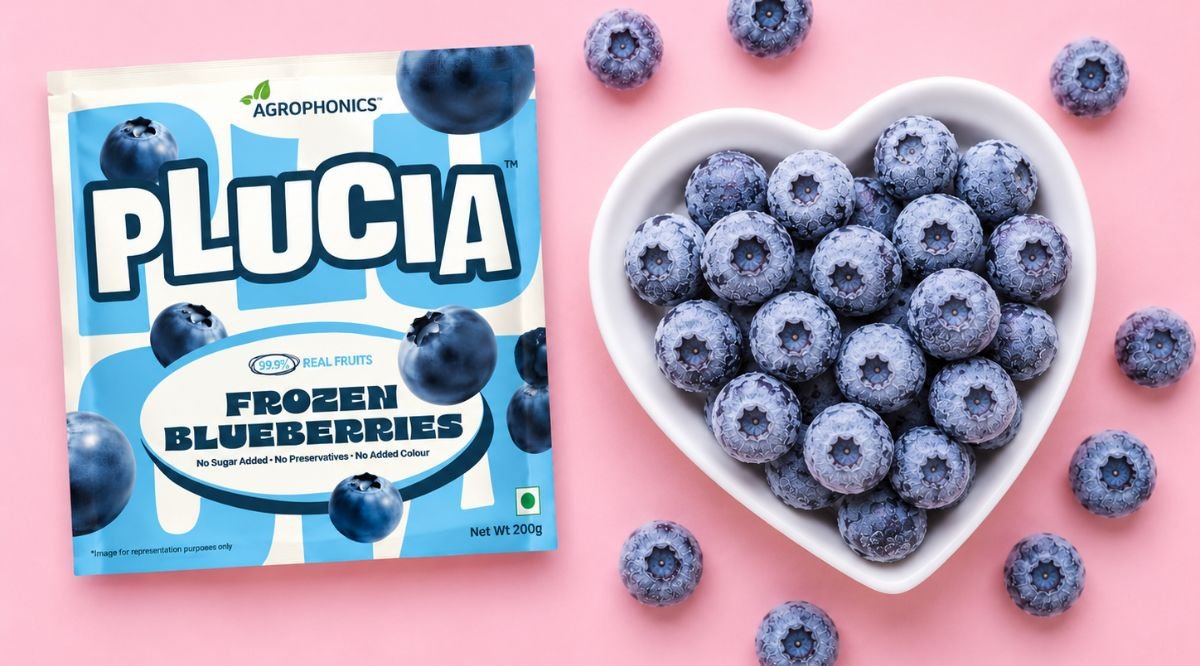
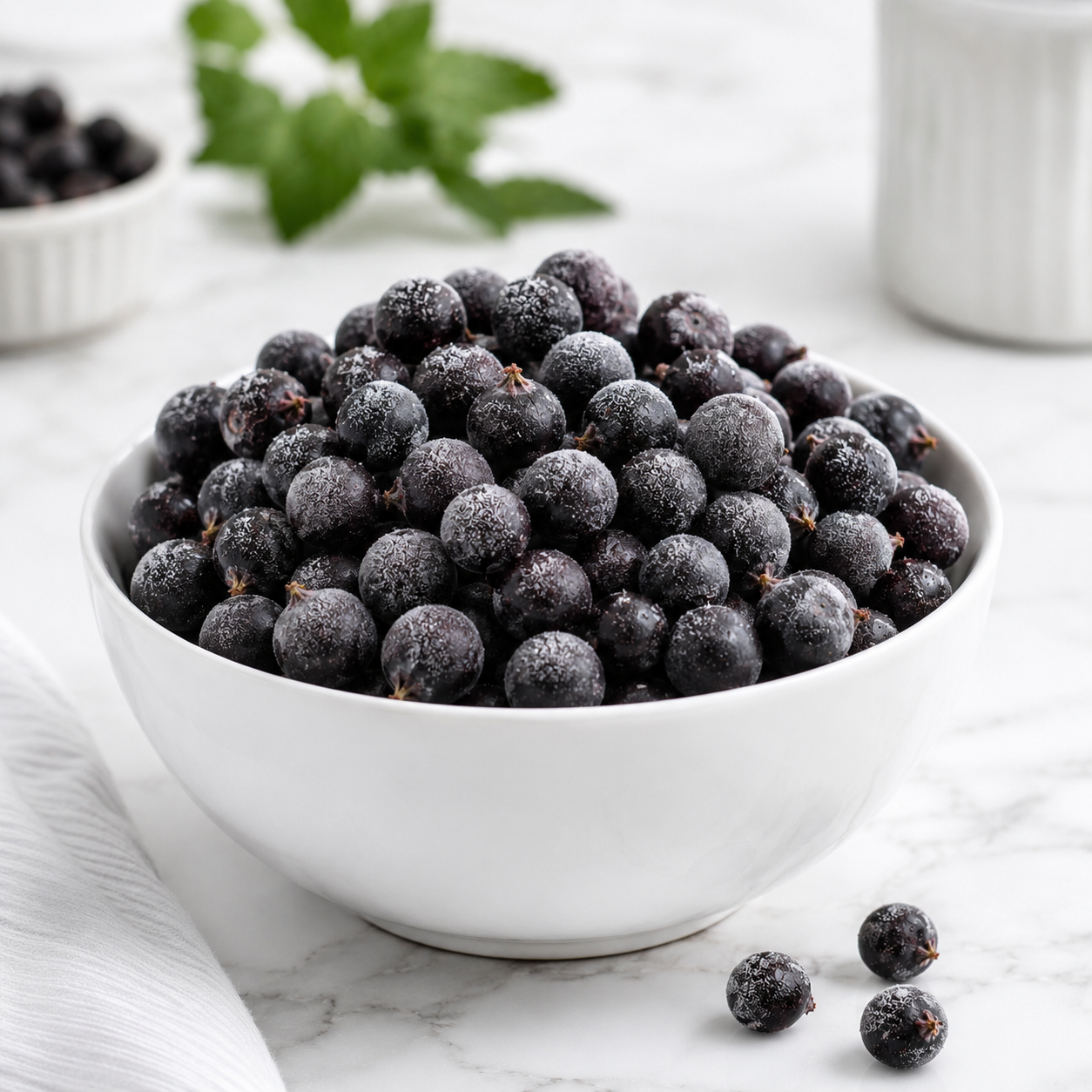
Frozen imported blueberries remain one of the most widely used berries in industrial baking, especially in muffins, coffee cakes, and sweet breads. Their relatively firm skin helps them retain shape during mixing and oven spring, while their flavour profile works well in both classic and premium bakery applications.
For bakers producing high-volume muffins, frozen blueberries for muffins offer excellent inclusion performance. Smaller wild blueberries often distribute more evenly through batter, while larger cultivated berries can deliver stronger visual impact. IQF blueberries also help control portioning in automated systems.
Blueberries generally produce less moisture disruption than softer berries, making them particularly useful where frozen fruit consistency in baking is critical.
Frozen Strawberries for Fillings and Desserts
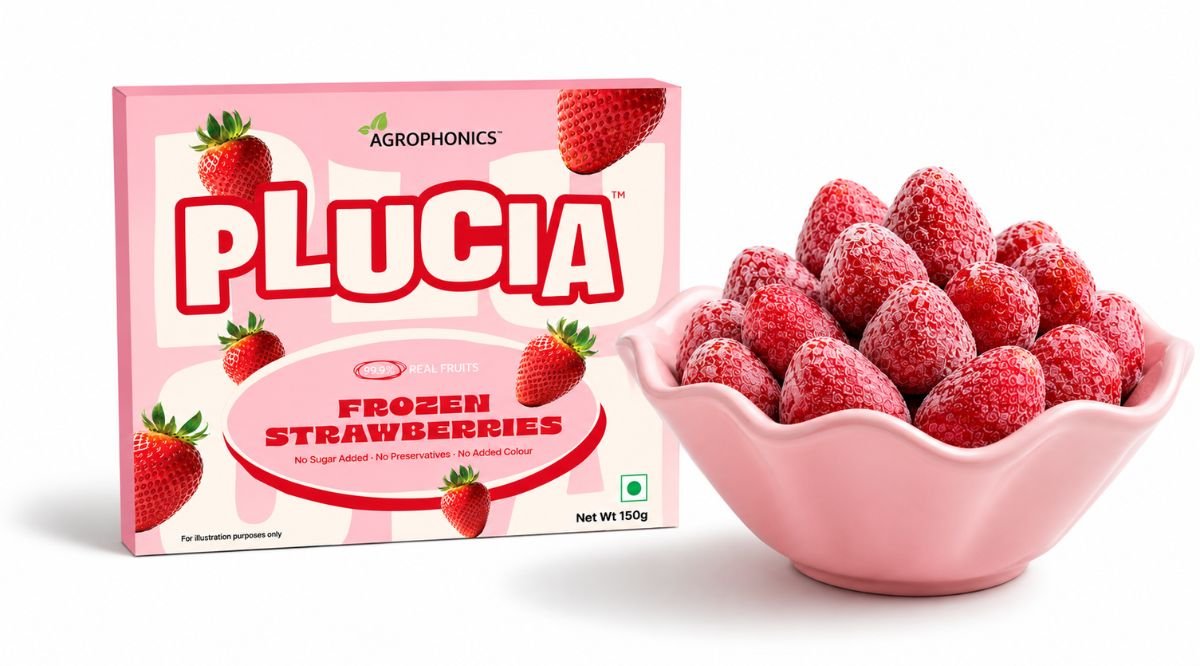
Frozen strawberries for baking are especially valuable in pie fillings, Danish applications, layered desserts, and fruit preparations. Their sweetness and broad consumer appeal make them versatile, but they require quality sourcing because lower-grade fruit may break down excessively.
Premium frozen imported strawberries used in baking are often selected for firmness and processed for filling stability. In commercial applications, strawberries frequently appear in fruit preparations rather than direct inclusions because controlled formulations help manage moisture migration.
For industrial bakers, strawberries perform particularly well when paired with stabilized fillings, offering both flavour intensity and visual appeal.
Frozen Raspberries for Pastries and Premium Baked Goods
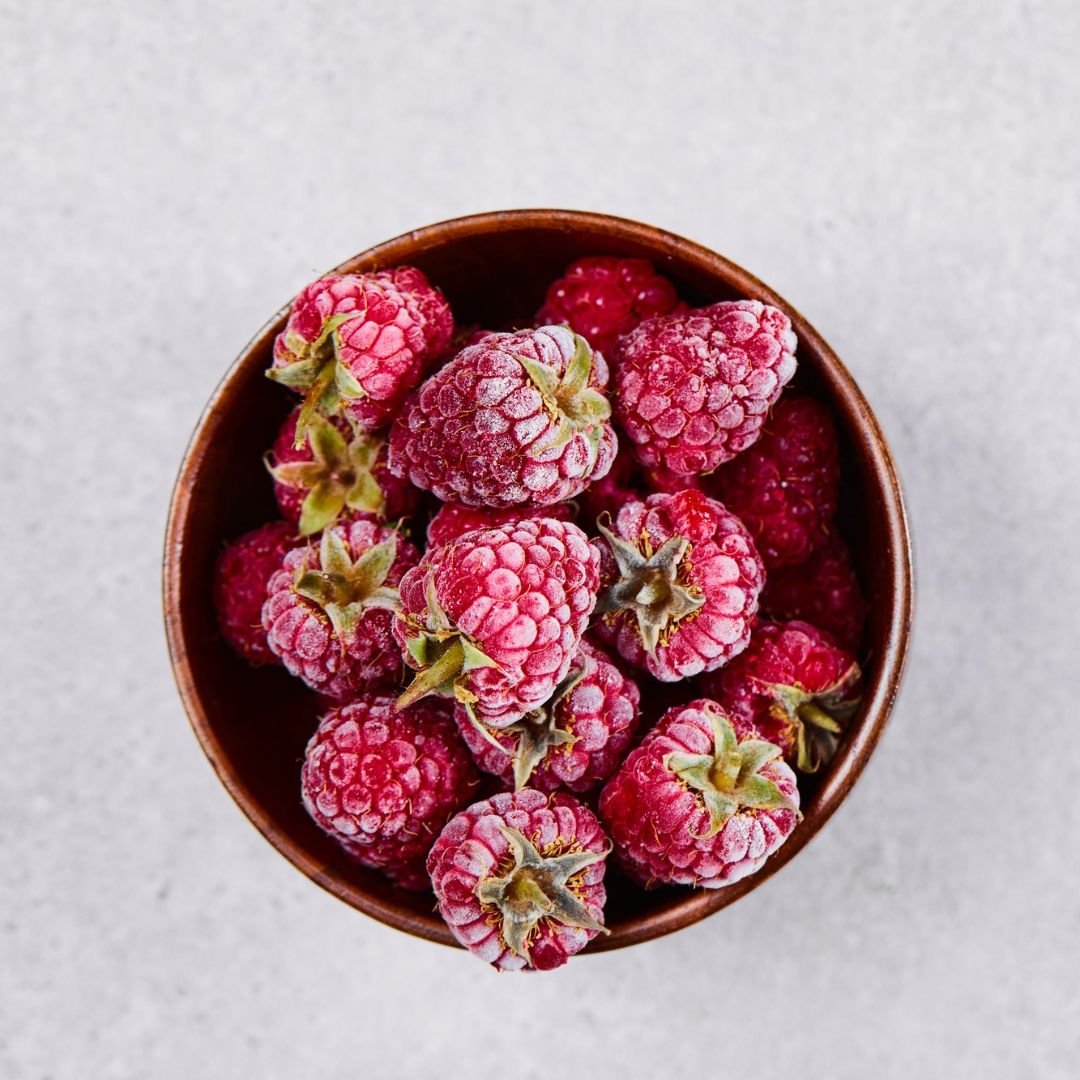
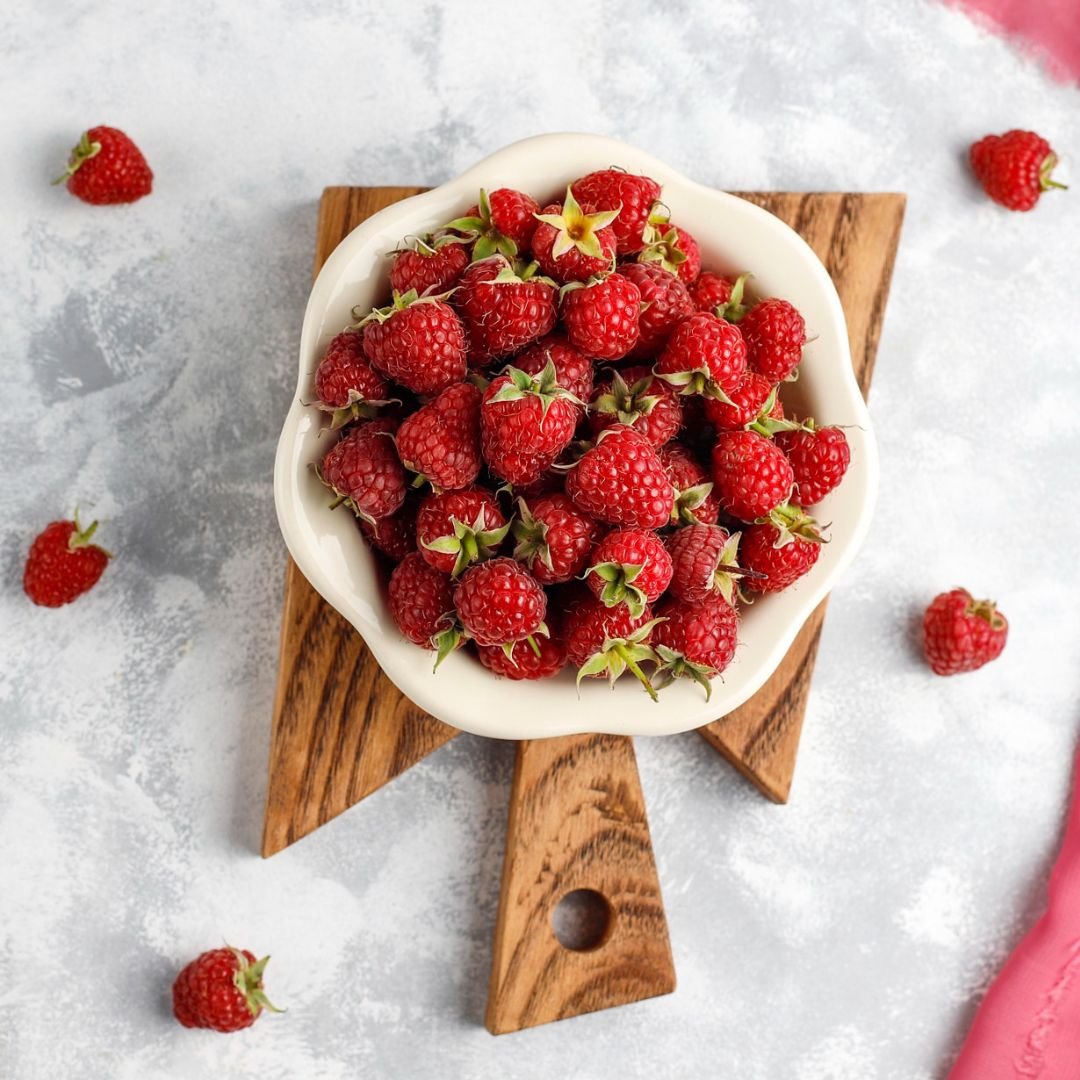
Raspberries bring bright acidity and premium positioning to pastries and specialty baked goods. Frozen raspberries for pastry fillings are commonly used in croissants, tarts, dessert bars, and artisan bakery products where flavor differentiation matters.
Their delicate structure means quality matters significantly. Premium raspberries with good cell integrity can deliver superior filling performance while minimizing excessive breakdown.
Because raspberries can bleed into doughs and batters, many bakers incorporate them through controlled fruit preparations or deposit systems. In high-value bakery segments, they remain one of the most desirable berry applications in industrial baking.
Frozen Blackberries and Mixed Berry Blends
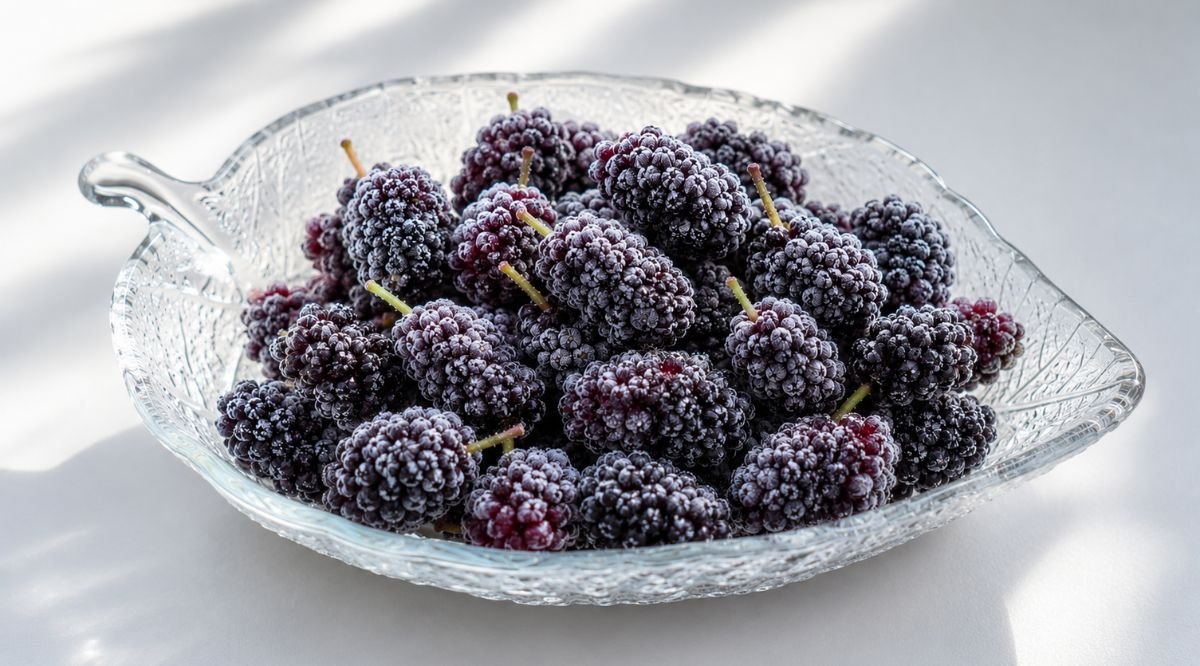
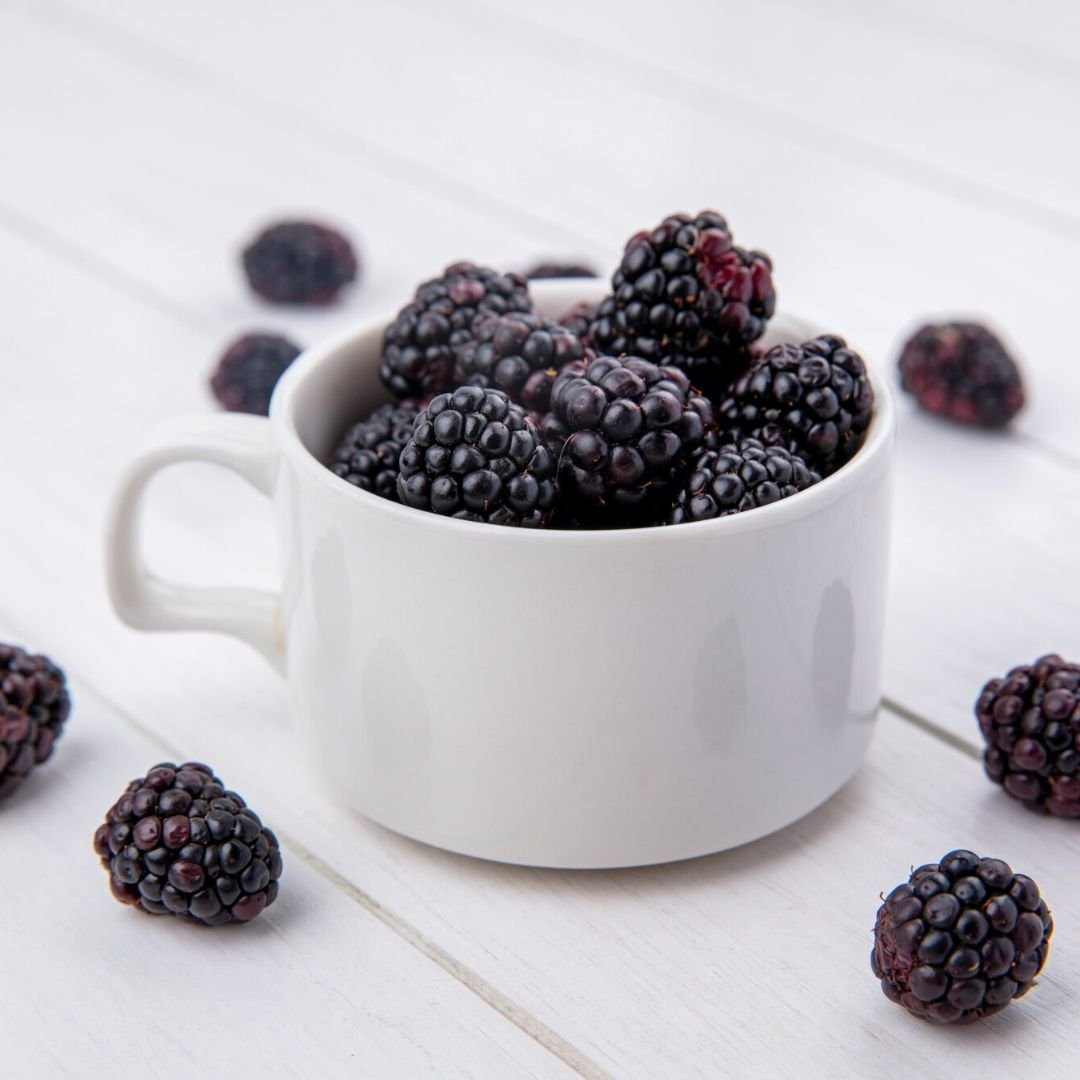
Frozen imported blackberries provide deeper flavor notes and perform well in rustic pastries, cobblers, artisan breads, and premium fillings. Their seed structure and robust flavor profile make them especially useful in products where bold berry character is desired.
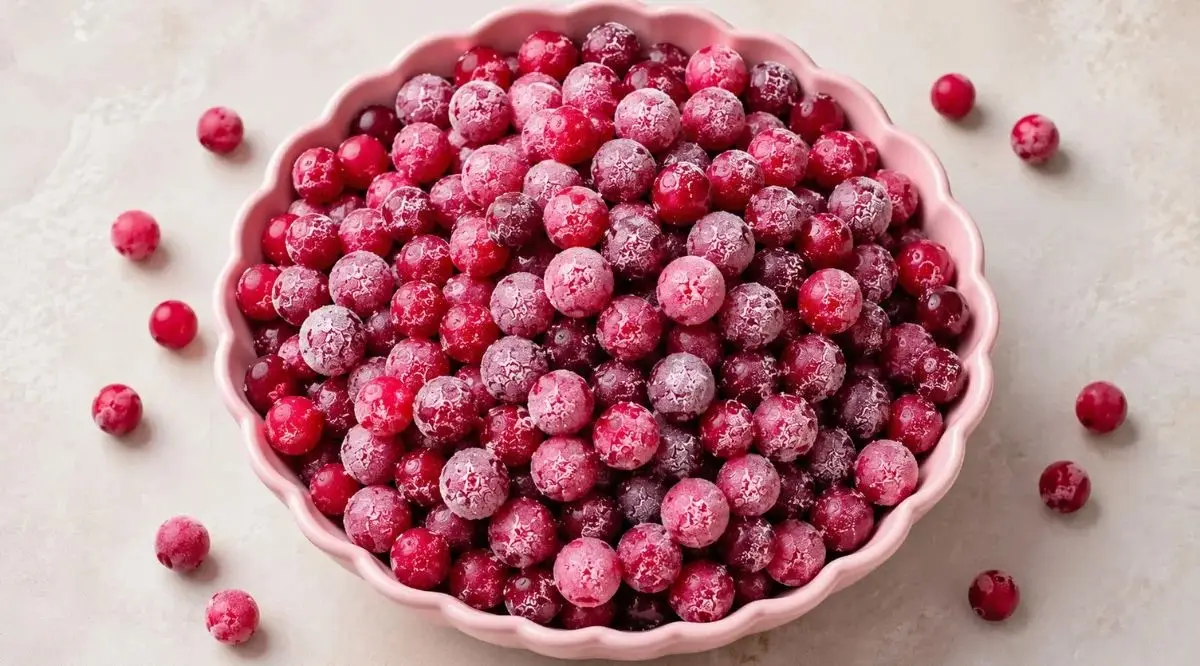
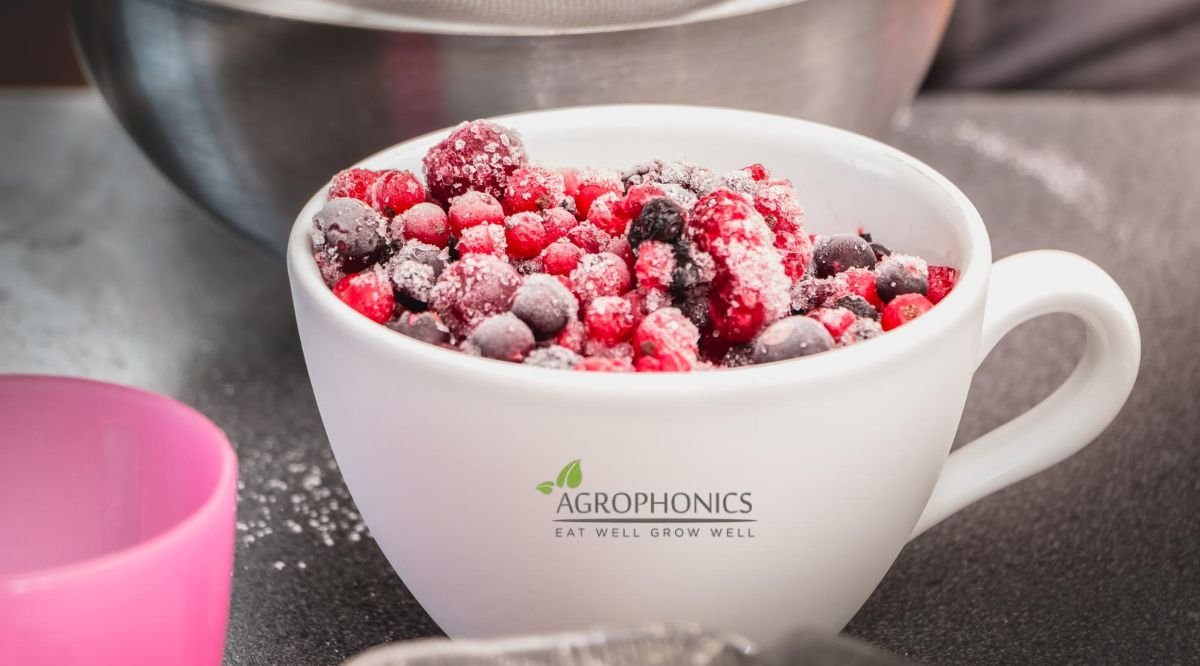
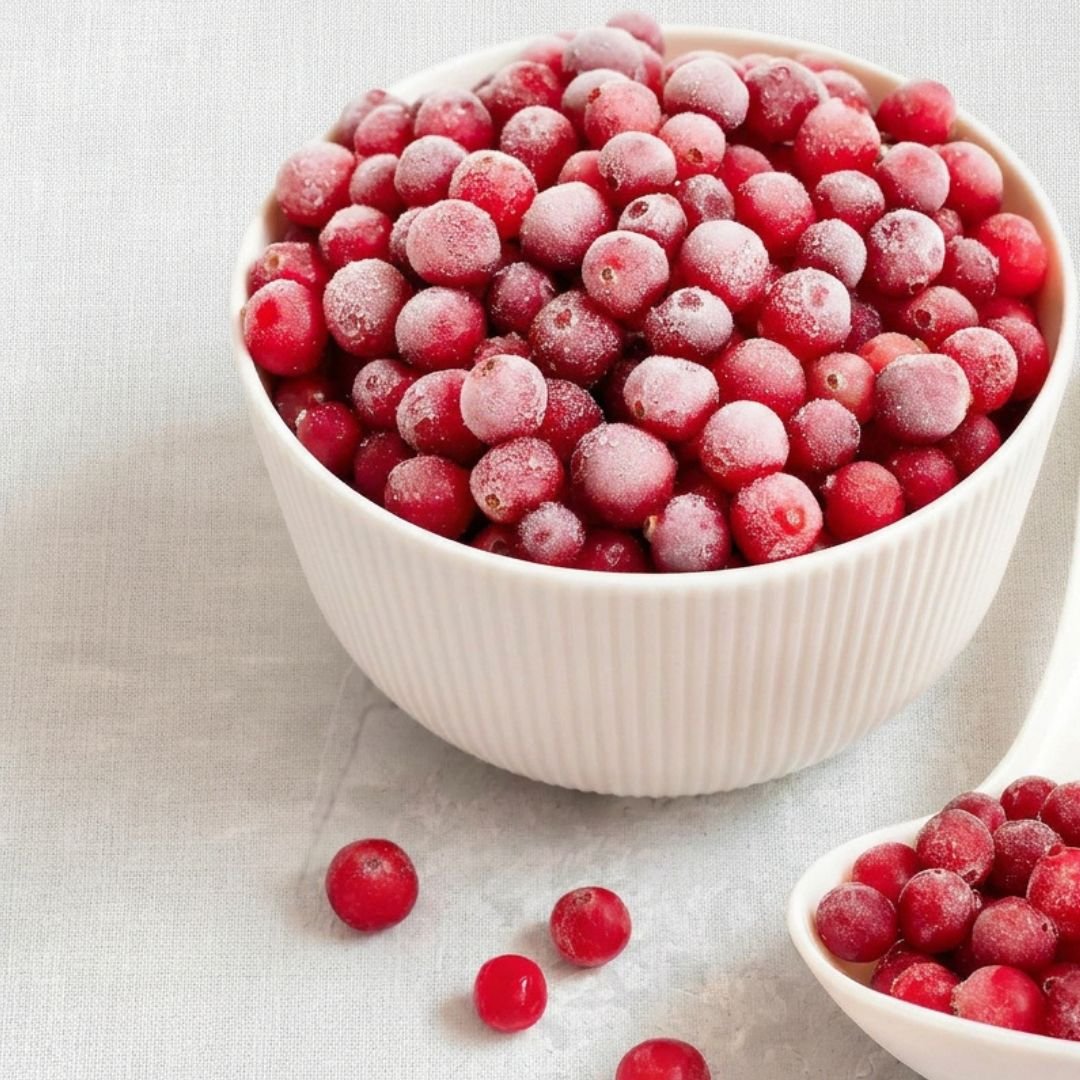
Mixed berry blends combining blueberries, raspberries, blackberries, and frozen imported cranberries can also support differentiated bakery offerings while streamlining ingredient procurement. For manufacturers developing seasonal or premium product lines, blends offer flexibility without sacrificing consistency.
IQF Frozen Berries vs Conventional Frozen Fruit for Baking
IQF, or Individually Quick Frozen fruit, is generally preferred over conventional block-frozen fruit for commercial baking because it offers superior handling, portion control, and fruit integrity.
With IQF processing, berries freeze individually rather than clumping into blocks. This preserves shape, improves dosing accuracy, and reduces mechanical damage during handling. For automated bakery lines, those benefits are significant.
Conventional frozen fruit can still work in some processed filling applications, but IQF berries for baking typically provide better performance for direct inclusions and premium products. This is why many commercial bakers prioritize IQF formats when evaluating wholesale frozen berries for bakeries.
In comparison, IQF berries generally offer:
- Better fruit definition after baking
- Improved scaling for industrial production
- Reduced fruit breakage and bleeding risk
For applications where appearance and consistency influence product quality, IQF often delivers measurable advantages.
How Frozen Berries Affect Texture, Moisture, and Product Consistency
Frozen berries affect finished baked goods through water release, fruit distribution, and thermal behaviour during baking. Managing those interactions is central to successful formulation.
High-quality frozen fruit contributes desirable moisture and tenderness, but uncontrolled fruit water can create gummy textures or destabilise batters. This is why professional bakers often adjust starch systems, sugar ratios, or mixing procedures when incorporating berries.
Berry size also matters. Larger fruit can create localised moisture pockets, while smaller berries may distribute more evenly. In industrial formulations, balancing fruit load with batter structure is critical to maintaining product consistency.
Colour bleeding is another important consideration. Using frozen fruit directly from a frozen state, coating berries lightly in flour or starch, and minimising overmixing are common strategies to reduce migration into batter.
Choosing the Right Frozen Berry Supplier for Commercial Production
Selecting the right supplier is often as important as selecting the berry itself. For commercial production, sourcing should prioritize specification control, supply reliability, and technical support not simply price.
Strong IQF fruit suppliers provide more than fruit. They offer documentation, quality standards, origin transparency, and application guidance. For industrial buyers sourcing premium frozen fruit ingredients, supplier expertise can reduce formulation risk and support product development.
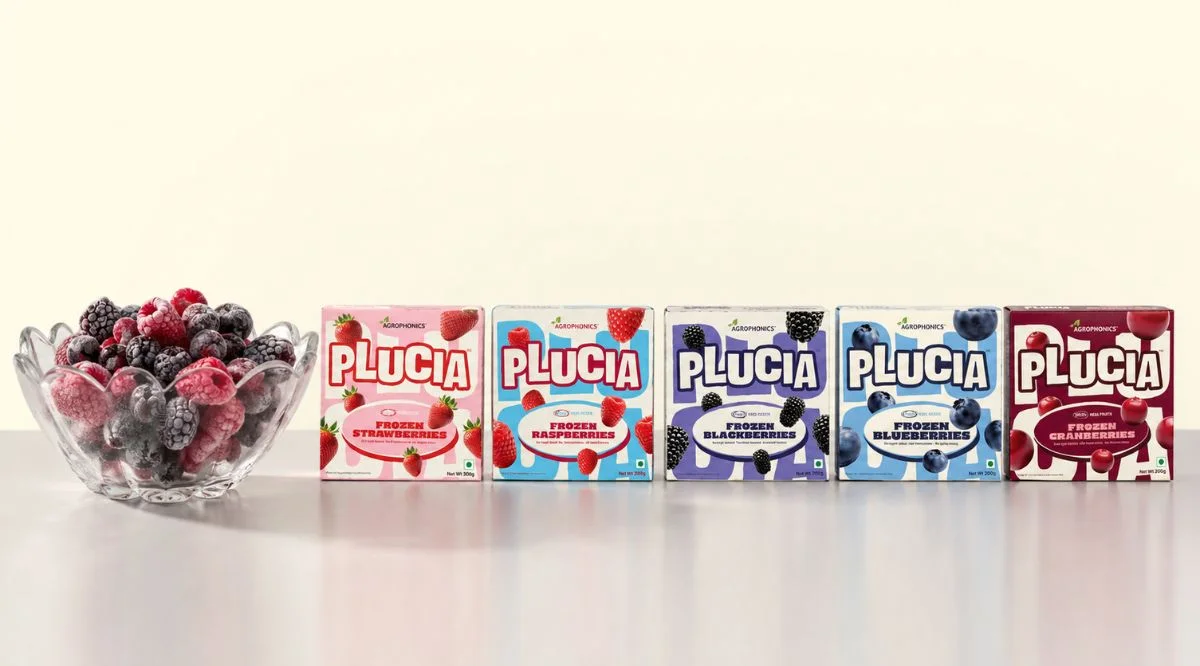
Partners such as Agrophonics can support bakeries with imported frozen fruit solutions, including blueberries, strawberries, blackberries, and cranberries tailored to B2B ingredient requirements.
When evaluating suppliers, bakers should consider fruit grade, processing standards, cold chain integrity, and application-specific suitability for commercial bakery ingredients.
Common Bakery Applications for Premium Frozen Berries
Frozen berries are used across virtually every segment of industrial baking. Their versatility makes them valuable in both mainstream and premium formulations.
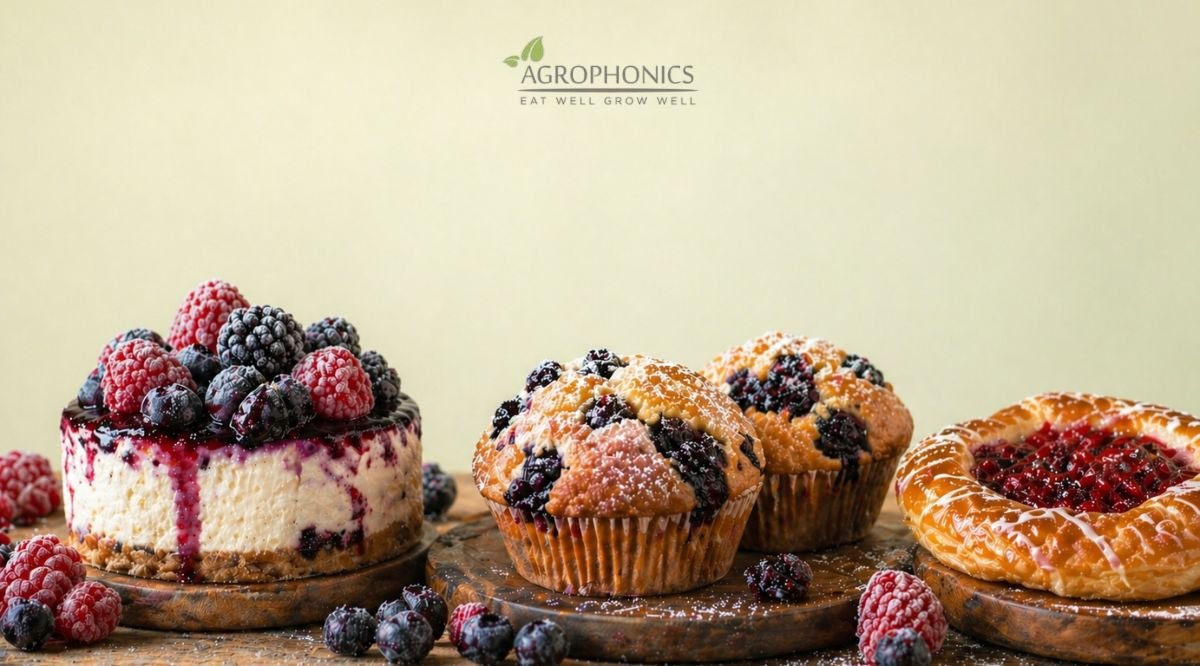
Common applications include muffins, cakes, pastries, pie fillings, laminated products, fruit breads, dessert inclusions, and frozen bakery items. In industrial settings, berries may be used as direct inclusions, processed fillings, toppings, or fruit preparations depending on the production method.
The growth of premium bakery products has also expanded demand for specialty berry applications where flavour authenticity and visual fruit identity matter more than ever.
Sourcing Better Berries for Better Baking
Choosing the best frozen berries for baking requires balancing flavor, fruit integrity, moisture control, and supplier reliability. For commercial bakers and food manufacturers, premium bakery-grade frozen berries, particularly IQF formats, support consistent production, stronger finished product quality, and better process efficiency.
Whether sourcing frozen imported strawberries, frozen imported blueberries, frozen imported blackberries, or cranberries for specialised formulations, ingredient quality directly affects performance. As demand grows for premium baked goods with authentic fruit inclusions and fillings, working with experienced suppliers such as Agrophonics can help bakeries secure the consistency and technical support needed for scalable success.
Frequently Asked Questions
Q1. Are frozen berries better than fresh for commercial baking?
Answer: For many commercial applications, yes. Frozen berries often outperform fresh fruit because they offer consistency, year-round supply, lower waste, and better process control in industrial production.
Q2. Which berries hold shape best during baking?
Answer: Blueberries generally hold shape exceptionally well, especially IQF varieties. Blackberries can also perform well, while raspberries and strawberries often require more formulation management.
Q3. What is IQF fruit and why is it preferred?
Answer: IQF stands for Individually Quick Frozen fruit. It freezes each berry separately, preserving structure and improving handling, portioning, and bake performance compared with conventional frozen fruit.
Q4. Can frozen berries be used in industrial bakery production?
Answer: Absolutely. Frozen berries are widely used in industrial bakery production for inclusions, fillings, toppings, and prepared fruit systems. They are standard ingredients across commercial baking.
Q5. How do bakers prevent frozen berries from bleeding into batter?
Answer: Bakers reduce bleeding by keeping berries frozen before mixing, minimizing overmixing, adjusting batter viscosity, and sometimes coating fruit lightly with starch or flour.