

Metabolic health affects far more than body weight. It influences blood sugar balance, cholesterol levels, energy, heart function, and even how the body responds to inflammation. Many people are now paying closer attention to foods that support long-term wellness without requiring extreme diets or complicated routines.
One food that continues to stand out is frozen blueberries. They are convenient, versatile, and packed with nutrients linked to better metabolic function. Research around blueberries for heart health, blood sugar balance, and weight management continues to grow, especially because of their high antioxidant content and naturally low calorie profile.
Whether blended into smoothies or added to breakfast bowls, frozen berries’ nutrition makes them an easy addition to a balanced diet.
What Makes Frozen Blueberries Nutritionally Powerful
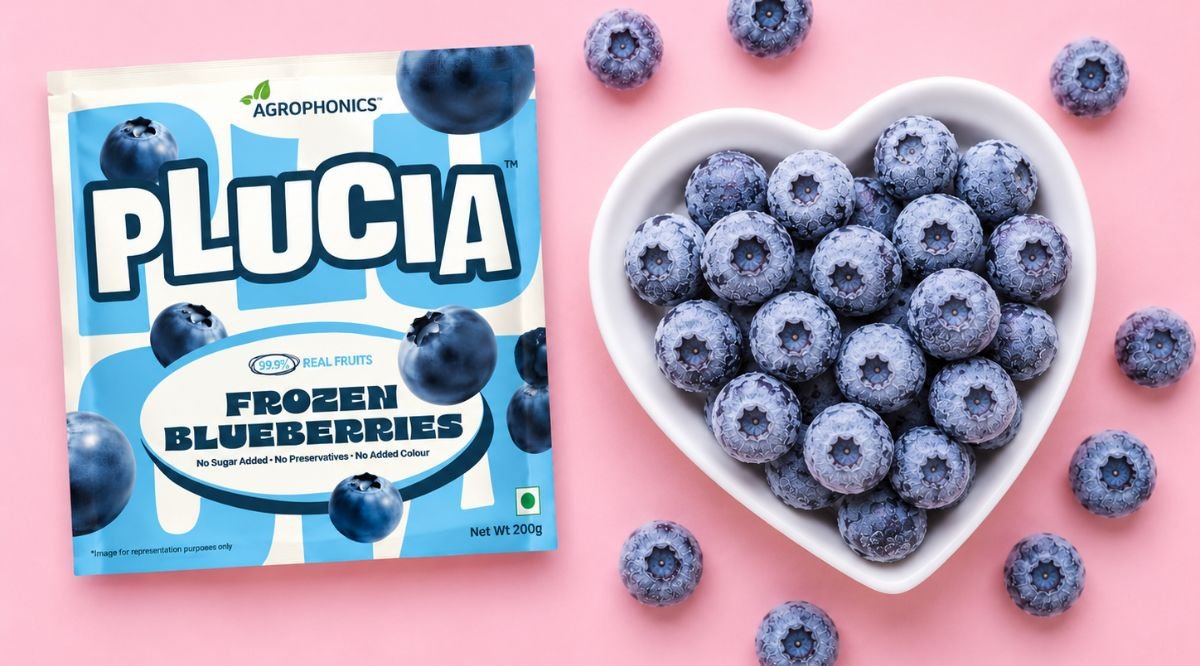
Frozen blueberries are considered one of the most nutrient-dense antioxidant-rich fruits available year-round. They contain naturally occurring plant compounds called ‘anthocyanins’ in blueberries, which give the fruit its deep blue colour and support several aspects of metabolic health.
Anthocyanins are being widely studied for their role in reducing oxidative stress and supporting cardiovascular wellness. Oxidative stress can contribute to inflammation, insulin resistance, and cellular damage over time.
In addition to antioxidants, frozen blueberries provide:
- Dietary fiber for digestion and satiety
- Vitamin C for immune and tissue support
- Vitamin K for bone and cardiovascular health
- Manganese for metabolism and energy production
One common misconception is that frozen fruit loses most of its nutrients. In reality, high-quality frozen imported blueberries are usually frozen shortly after harvest using IQF (Individually Quick Frozen) technology, which helps preserve texture, flavour, and nutrients.
This makes frozen berries nutrition surprisingly comparable to fresh berries, especially when fresh produce spends days in transport or storage before reaching consumers.
Frozen Blueberries and Weight Management
Blueberries for weight management work well because they are low in calories while still being filling. A cup of frozen blueberries contains fiber and water, two factors that can help people feel satisfied longer after eating.
Foods with high fiber content may help reduce overeating by slowing digestion and supporting steadier energy levels throughout the day. Unlike highly processed snacks, blueberries offer natural sweetness without excessive added sugar.
Another advantage is their versatility. Frozen blueberries can fit into many balanced eating patterns, including calorie-conscious diets, high-fiber meal plans, and fitness-focused nutrition strategies.
Why Frozen Blueberries Support Healthy Eating Habits
Many nutrition experts encourage replacing processed desserts with whole-food alternatives. Frozen blueberries can help satisfy cravings while contributing beneficial nutrients.
They are especially useful for:
- Post-workout recovery snacks
- Smoothie ingredients
- High-fiber breakfast additions
- Lower-calorie dessert options
Because they are frozen, portion control is often easier compared to packaged snack foods. Their natural sweetness also makes them appealing without requiring syrups or refined sugar.
How Frozen Blueberries Support Healthy Blood Sugar Levels
Blueberries for blood sugar support have gained attention because they have a relatively low glycemic impact compared to many sweet snacks and processed carbohydrates.
Although blueberries contain natural sugars, they also provide fiber and polyphenols that may help slow glucose absorption. Emerging research suggests that anthocyanins in blueberries may support insulin sensitivity and healthier metabolic responses.
This does not mean blueberries are a treatment for diabetes, but they can fit well into balanced eating plans focused on blood sugar management.
Balanced Energy Without Sharp Sugar Spikes
Many people notice that highly refined foods lead to quick energy crashes. Whole fruits like frozen blueberries digest differently because their fiber content slows the release of sugar into the bloodstream.
Pairing frozen blueberries with protein or healthy fats may further support stable energy levels. Common examples include yoghurt, nuts, chia seeds, or oatmeal.
For individuals looking for metabolic health foods that are practical and easy to prepare, frozen blueberries offer both convenience and nutritional value.
Heart Health Benefits of Frozen Blueberries
Cardiovascular health and metabolic health are closely connected. Blood pressure, cholesterol levels, inflammation, and circulation all influence long-term heart wellness.
Blueberries for heart health are often highlighted because of their antioxidant profile and anti-inflammatory potential.
Several studies suggest that regular blueberry intake may support:
- Healthy circulation
- Blood vessel function
- Cholesterol balance
- Reduced oxidative stress
Anthocyanins may also help protect blood vessels by supporting endothelial function, which plays an important role in healthy blood flow.
Blueberries for Cholesterol and Inflammation
Inflammation and cholesterol imbalance are common concerns associated with metabolic disorders. Diets rich in colourful fruits and vegetables are consistently linked with better cardiovascular outcomes.
Frozen blueberries fit naturally into heart-conscious eating patterns because they contain no cholesterol and very little sodium while supplying beneficial plant compounds.
The American Heart Association and other health organisations often recommend berries as part of a balanced dietary approach for cardiovascular wellness.
Best Ways to Add Frozen Blueberries to Your Diet
Frozen blueberries are easy to use because they require no washing or cutting before preparation. They also store well for long periods, making them a convenient staple for healthy eating.
Simple ways to enjoy them include:
- Blending into smoothies
- Adding to yogurt or oatmeal
- Mixing into salads
- Using in homemade healthy desserts
Their naturally sweet flavour pairs well with both breakfast and snack recipes without needing extra sugar.
Choosing High-Quality Frozen Blueberries
Not all frozen berries are processed the same way. Quality matters when selecting frozen imported blueberries, especially for flavour, texture, and nutrient preservation.
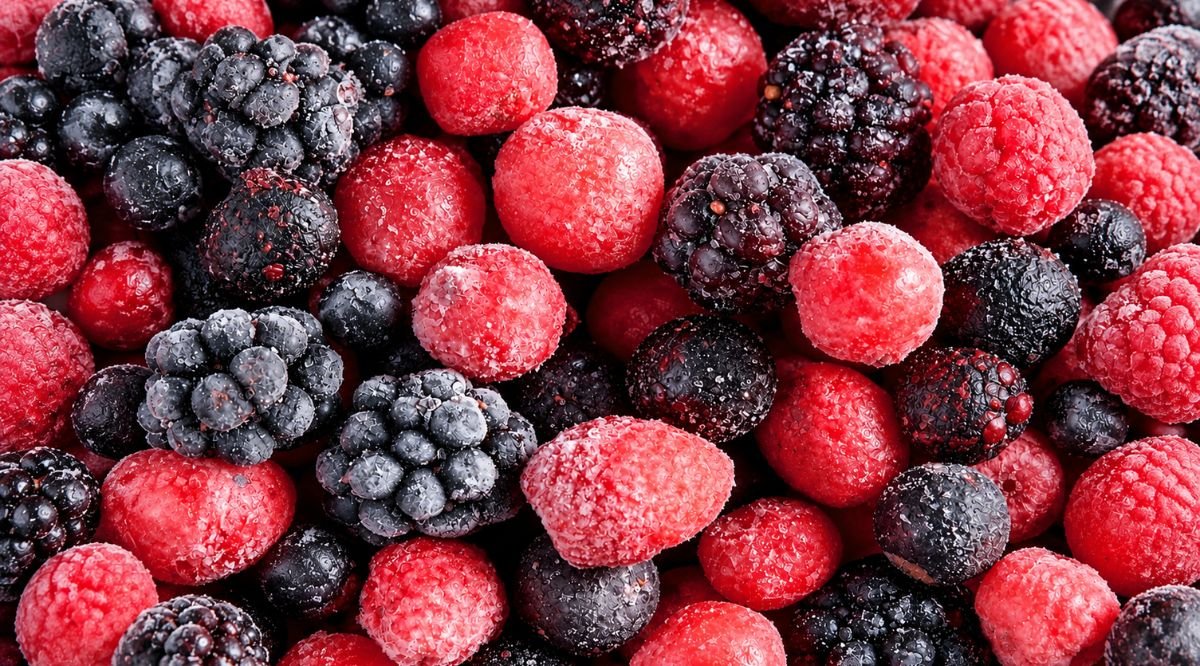
Look for blueberries that maintain a deep blue-purple colour without excessive ice crystals inside the package. Excess frost may indicate thawing and refreezing during storage.
IQF freezing technology is often preferred because it freezes berries individually and quickly, helping preserve shape and nutritional quality.
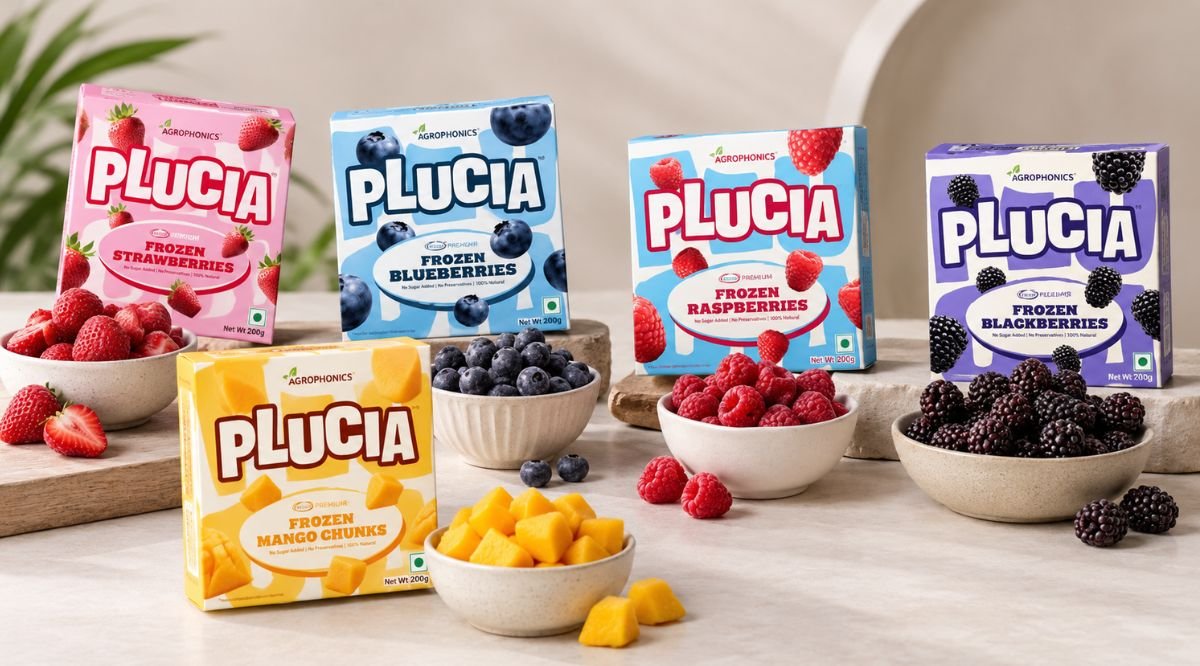
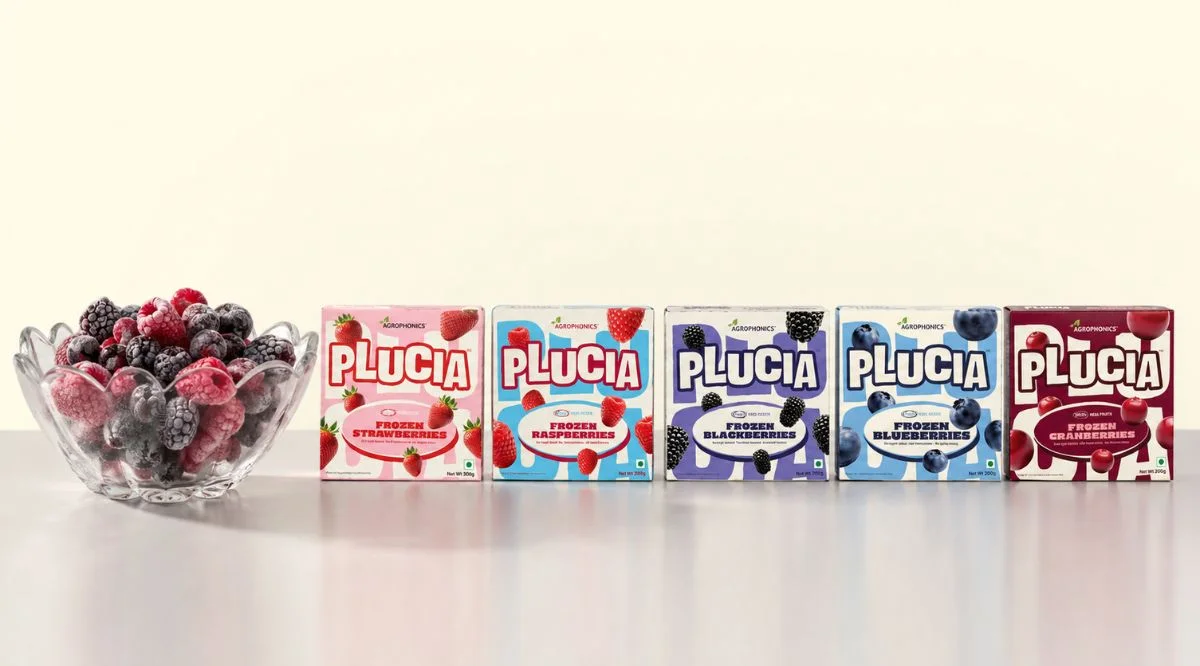
Reliable suppliers such as Agrophonics focus on maintaining proper cold-chain handling and product consistency, which can make a noticeable difference in taste and freshness.
Why Frozen Blueberries Deserve a Place in a Metabolic-Friendly Diet
Adding Frozen Blueberries to a balanced diet is a simple way to support metabolic health through nutrient-dense, antioxidant-rich foods. From supporting heart wellness and balanced blood sugar to helping with satiety and healthy eating habits, blueberries offer practical benefits backed by growing nutrition research.
Their convenience, long shelf life, and versatile flavor make them an easy choice for people focused on long-term wellness. Whether enjoyed in smoothies, breakfast bowls, or healthy snacks, frozen blueberries remain one of the most accessible metabolic health foods available today.
This article is for informational purposes only and should not replace professional medical advice.
Frequently Asked Questions
Q1. Are frozen blueberries as healthy as fresh blueberries?
Answer: Yes. Frozen blueberries often retain most of their nutrients because they are frozen shortly after harvest. In some cases, they may preserve nutrients better than fresh berries stored for extended periods.
Q2. Can frozen blueberries help with weight loss?
Answer: Frozen blueberries may support weight management because they are low in calories, high in fiber, and naturally satisfying. They can help replace higher-calorie processed snacks.
Q3. Do blueberries help lower blood sugar?
Answer: Blueberries may support healthier blood sugar responses due to their fiber and polyphenol content. However, they should be part of an overall balanced diet rather than viewed as a medical treatment.
Q4. Are frozen blueberries good for heart health?
Answer: Yes. Blueberries for heart health are widely studied because their antioxidants may support circulation, cholesterol balance, and reduced oxidative stress.
Q5. How should frozen blueberries be stored?
Answer: Keep frozen blueberries sealed in the freezer at a consistent temperature. Avoid repeated thawing and refreezing to maintain texture and quality.