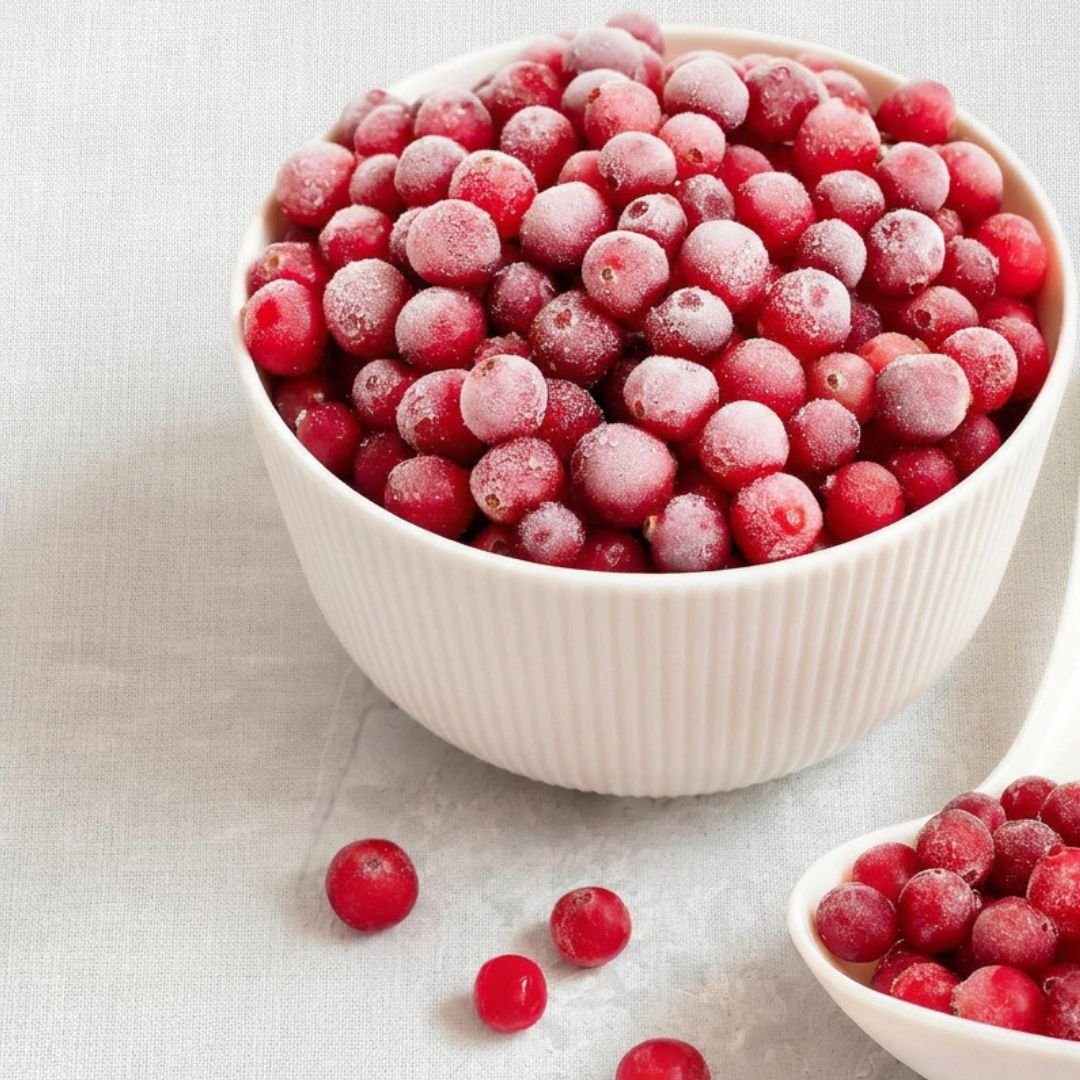




Frozen Raspberries should be stored at -18°C or below in sealed, moisture-resistant packaging to help preserve their flavour, colour, texture, and overall quality throughout the recommended storage period. Stable freezer temperatures and proper handling help prevent freezer burn, moisture loss, and unnecessary deterioration.
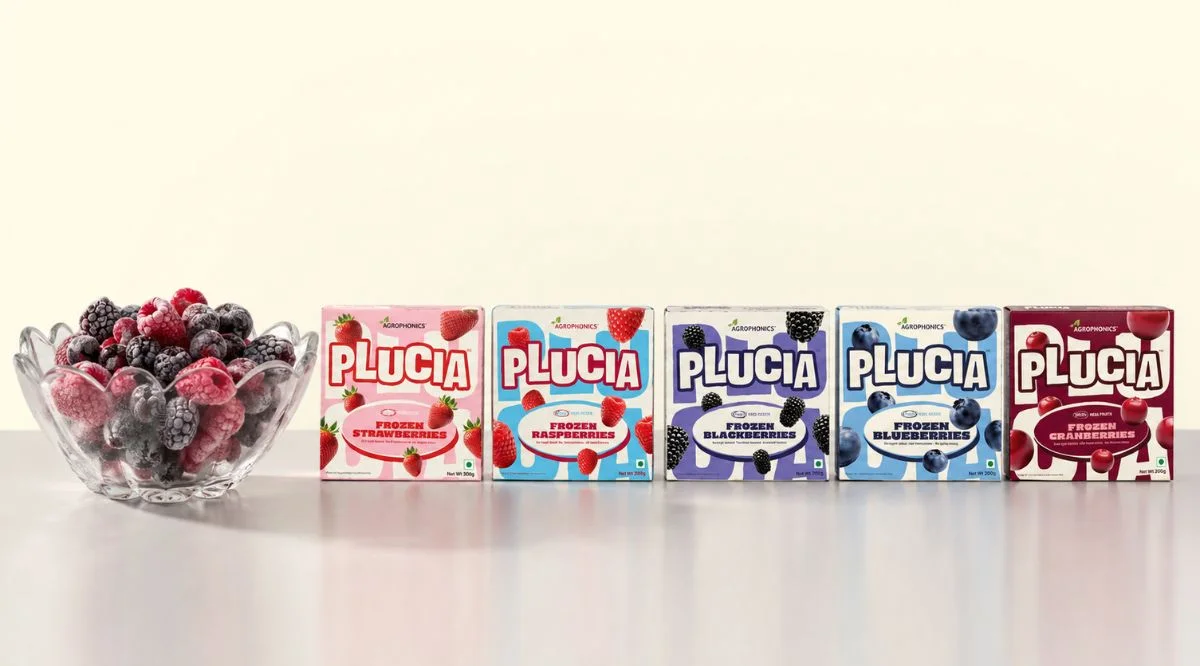
Imported Frozen Raspberries from Agrophonics offer a convenient solution for households, cafés, restaurants, bakeries, and other food businesses. With a variety of frozen berries and imported fruits available, Agrophonics helps buyers source suitable ingredients for smoothies, desserts, bakery products, and other culinary needs.
What Is the Ideal Temperature for Storing Frozen Raspberries?
Store frozen raspberries at -18°C or below and maintain a stable temperature to help preserve their quality throughout the recommended storage period.
Why Is Temperature Control Important?
Temperature fluctuations can cause existing ice crystals to grow or recrystallise, potentially damaging the berries’ delicate structure and affecting their texture after thawing. To minimise quality loss, avoid leaving packages outside the freezer for extended periods, maintain a stable temperature, and always follow the manufacturer’s storage instructions.
How Should Bulk Frozen Raspberries Be Packaged and Stored?
Bulk frozen raspberries should be kept in their original sealed packaging or transferred into clean, food-grade, airtight containers suitable for freezer storage. Proper packaging limits exposure to air, moisture, and odours from other foods.
Best Packaging Practices
- Keep packages tightly sealed when not in use.
- Divide large quantities into practical portions before opening, where appropriate.
- Store packages away from sources of heat and strong odours.
- Label containers with opening dates and relevant product details.
- Keep storage areas clean and follow appropriate food-handling practices.
These steps are particularly useful for businesses that regularly use raspberries in smoothies, milkshakes, desserts, bakery products, and ice cream.
How Long Do Frozen Raspberries Last in the Freezer?
The shelf life of frozen raspberries depends on the product, packaging, processing method, and storage conditions. Always check the manufacturer’s use-by or best-before date and follow the instructions printed on the package.
How Can Businesses Manage Frozen Berry Inventory?
Commercial kitchens can use the First In, First Out (FIFO) method, which means using older stock before newer stock, provided it remains within its recommended shelf life and has been stored correctly. Regular stock checks help businesses identify damaged packaging and prevent products from remaining in storage longer than necessary.
How Can You Prevent Freezer Burn and Quality Loss?
Freezer burn occurs when frozen raspberries lose moisture due to poor packaging or prolonged exposure to air. This can affect their appearance, texture, and overall quality during storage.
It may cause dry patches, discolouration, and a less appealing texture, but freezer burn alone does not necessarily make raspberries unsafe to eat. To minimise quality loss, store them in airtight, moisture-resistant packaging and maintain a consistent freezer temperature of -18°C or below.
Simple Ways to Maintain Quality
- Maintain a stable freezer temperature of -18°C or below.
- Minimise unnecessary exposure to room temperature.
- Reseal opened packages promptly.
- Avoid repeated thawing and refreezing.
- Inspect packaging for tears, leaks, or excessive ice accumulation.
Thawed raspberries should be handled according to food-safety guidance and the product’s instructions. If the fruit has been exposed to unsafe temperatures, do not assume that refreezing will make it safe.
What Are the Best Storage Practices for Commercial Kitchens?
Restaurants, cafés, hotels, and bakeries need proper freezer storage to maintain the quality of frozen berries and reduce food waste. Keeping packages clearly labelled and arranging stock for easy access helps staff manage inventory efficiently.
Businesses should follow the freezer manufacturer’s loading instructions and keep air vents unobstructed to support proper airflow and consistent temperatures. Maintaining a stable temperature of -18°C or below and rotating stock regularly helps preserve berry quality and supports smooth kitchen operations.
Maintain the cold chain during transportation, delivery, and storage to keep frozen raspberries at the recommended temperature. When purchasing from a bulk frozen berries supplier, check packaging integrity, delivery arrangements, temperature-control practices, and product-specific storage instructions.
Keep Frozen Raspberries Fresh for Longer
Store frozen raspberries at -18°C or below, use suitable sealed packaging, and follow the manufacturer’s storage instructions to help preserve quality. Explore Agrophonics‘ frozen fruit range for household and commercial requirements.
How Can You Choose a Reliable Frozen Berry Supplier?
A dependable supplier should offer suitable product information, clear storage instructions, appropriate packaging, and transparent ordering arrangements. Buyers should also compare product specifications, pricing, availability, and delivery practices before placing bulk orders.
Agrophonics has operated since 2018 and offers a selection of frozen berries, including raspberries, strawberries, blueberries, cranberries, and mixed berries. Customers can explore products online, enquire about larger quantities, and check available delivery options in Mumbai. Its range supports household and commercial applications, while proper cold-chain handling remains essential for preserving frozen fruit quality.
Frequently Asked Questions
Q1: Can frozen raspberries lose their quality before the expiry date?
Answer: Yes, frozen raspberries can lose quality before their expiry date if exposed to temperature fluctuations, damaged packaging, or repeated thawing. Keep the packaging sealed, maintain consistent freezing conditions, and follow the manufacturer’s storage instructions to preserve their flavour, colour, and texture.
Q2: How long can frozen raspberries be stored?
Answer: Storage life varies by product and packaging. Check the manufacturer’s date and storage guidance, and maintain uninterrupted freezing for the best quality.
Q3: Can frozen raspberries be refrozen after thawing?
Answer: Refreezing depends on how the berries were thawed and whether they remained at safe temperatures. Follow the product instructions and applicable food-safety guidance. Never refreeze fruit that has been held at unsafe temperatures.
Q4: How can you prevent freezer burn in bulk frozen raspberries?
Answer: Use sealed, moisture-resistant packaging, minimise air exposure, maintain a stable temperature of -18°C or below, and avoid repeatedly opening large packages.
Q5: How should businesses store imported frozen raspberries?
Answer: Businesses should maintain suitable freezer temperatures, keep packages sealed and labelled, rotate stock using FIFO, inspect packaging, and ensure frozen products remain within the recommended storage conditions during delivery and storage.