



Managing diabetes involves paying attention to carbohydrate intake, portion sizes, and the nutritional quality of everyday foods. Fruits can still be part of a balanced diet, but their natural sugar and fibre content matter. Berries are a nutritious option because they provide vitamins, dietary fibre, and antioxidants while generally containing fewer carbohydrates per serving than many other fruits.
Different berries offer unique nutritional benefits. Blueberries and blackberries contain anthocyanins, strawberries are rich in vitamin C, and raspberries provide substantial dietary fibre. Cranberries, black currants and red currants offer additional varieties of beneficial plant compounds and nutrients. Fresh or unsweetened frozen berries can be included in a balanced diet, providing convenient options for people who want to enjoy a variety of fruits while monitoring their carbohydrate intake.
How Do Berries Help Manage Blood Sugar Levels in People with Diabetes?
Berries contain fibre and plant compounds called polyphenols, which contribute to their nutritional value. Dietary fibre supports digestion and can influence how quickly carbohydrates are absorbed. Anthocyanins, the pigments responsible for the red, blue, and purple colours of many berries, are also being studied for their potential relationship with metabolic health.
However, berries do contain carbohydrates and can affect blood glucose. Their benefits depend on portion size, overall dietary patterns, preparation methods, and individual glucose responses. Whole, unsweetened berries are generally preferable to sweetened juices, syrups, or desserts.
7 Best Berries for Diabetes and Their Nutritional Benefits
1. Blueberries – Anthocyanins and Potential Metabolic Health Benefits
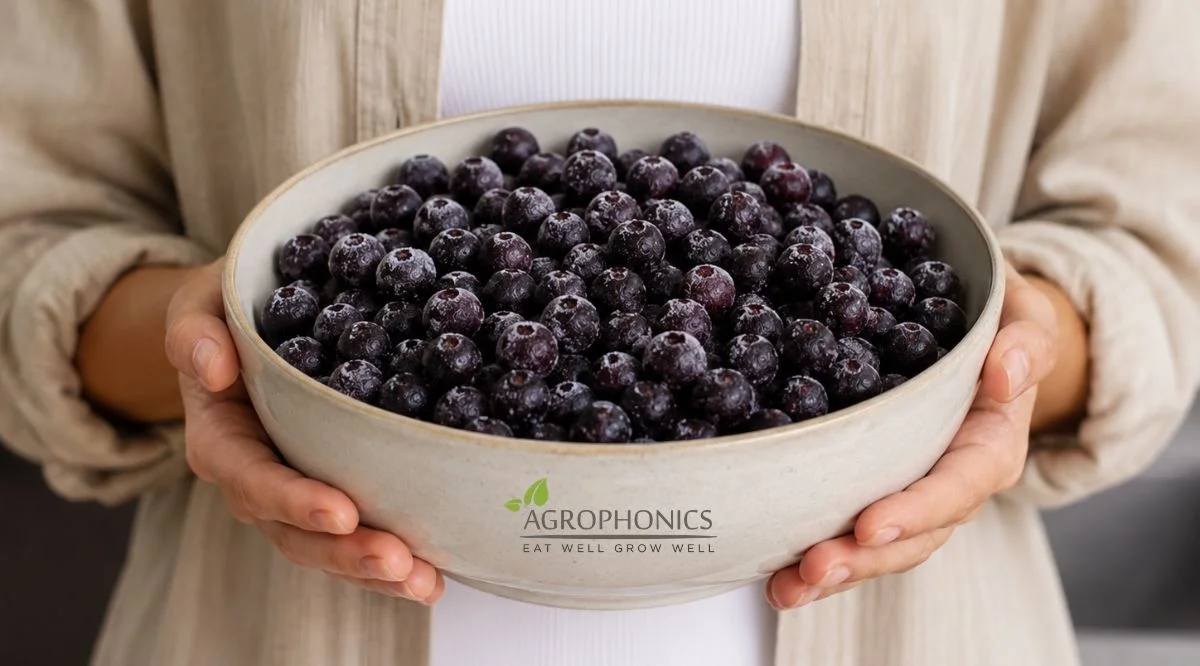
Blueberries contain anthocyanins, vitamin C, vitamin K, and dietary fibre. These compounds contribute to their antioxidant properties and make blueberries a nutritious addition to balanced meals. Research has explored the relationship between blueberry anthocyanins and metabolic health, including glucose regulation and insulin sensitivity. However, clinical evidence is still developing, and blueberries should be viewed as a nutritious fruit rather than a treatment for diabetes.
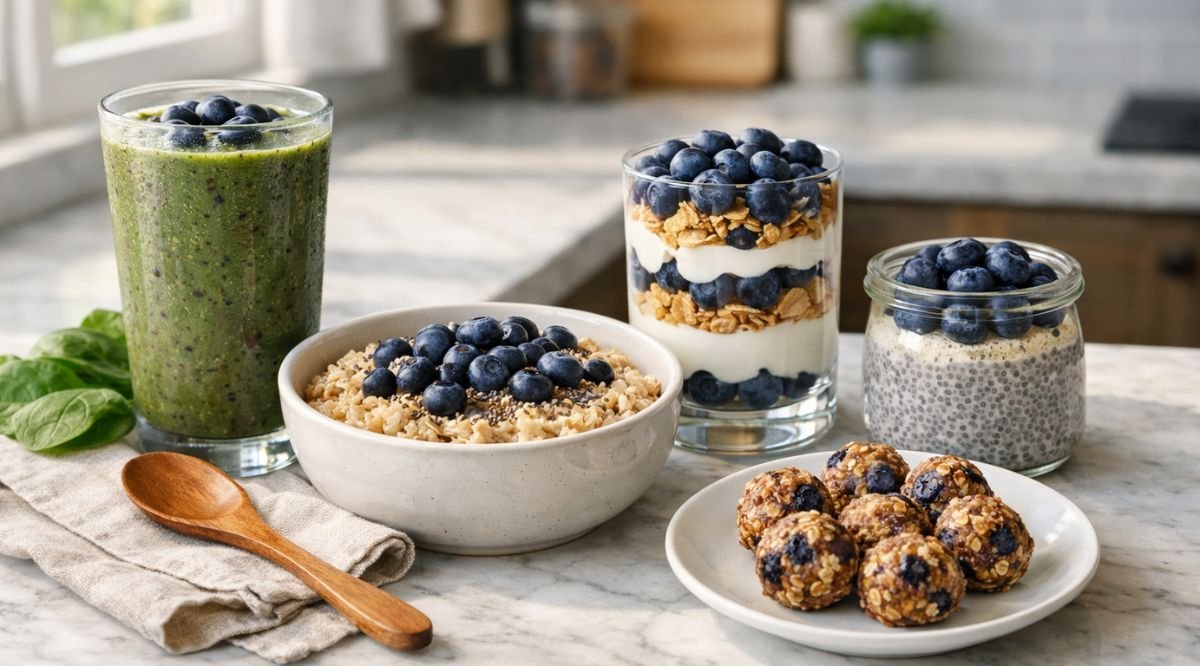
Unsweetened frozen blueberries can be added to oatmeal, yoghurt, or smoothies. Their natural carbohydrate content should still be included in daily meal planning.
2. Strawberries – Vitamin C, Dietary Fibre and Antioxidant Properties
Strawberries provide vitamin C, manganese, fibre, and antioxidant compounds. Strawberries contain relatively few carbohydrates per typical serving compared with many other fruits, making them a convenient option for people monitoring their carbohydrate intake. However, portion size and total carbohydrate consumption should still be considered when planning meals.
Frozen strawberries retain much of their nutritional value when properly processed and stored. They work well in breakfast bowls, smoothies, and homemade fruit combinations without additional sugar.
3. Raspberries – High Fibre Content and Blood Sugar Considerations
Raspberries are particularly notable for their dietary fibre content. Fibre supports digestive health and contributes to satiety, making raspberries a valuable component of balanced meals.
They also contain vitamin C and polyphenols. Unsweetened frozen raspberries can be combined with plain yoghurt or oats for a convenient breakfast while keeping portion sizes in mind.
4. Blackberries – Vitamin K, Fibre and Antioxidant Benefits
Blackberries provide vitamin K, vitamin C, dietary fibre, and anthocyanins. Their deep purple colour reflects the presence of beneficial plant pigments.
These nutrients support general nutritional health, including normal immune function and bone health. Frozen blackberries can be used in smoothies, yoghurt, and fruit bowls without needing added sweeteners.
5. Cranberries – Polyphenols and the Importance of Unsweetened Varieties
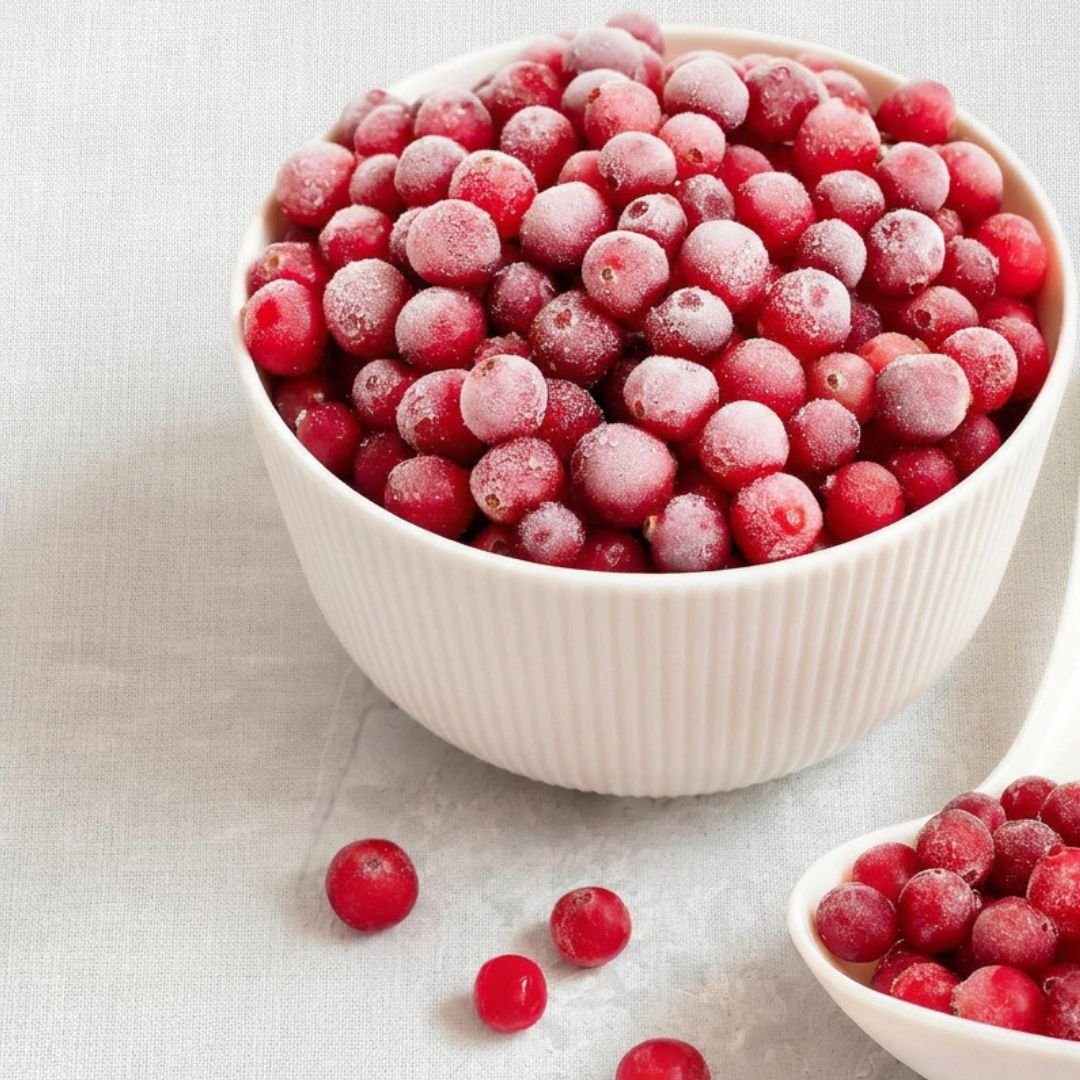
Cranberries contain polyphenols, vitamin C, and other antioxidant compounds. They are also known for their naturally tart flavour.
An important distinction exists between whole cranberries and commercially sweetened cranberry products. Dried cranberries, juices, and sweetened preparations may contain considerable added sugar. Unsweetened frozen cranberries provide greater control over ingredients and preparation.
6. Indian Gooseberries (Amla) – Vitamin C and Antioxidant Benefits
Indian gooseberries, commonly called amla, are valued for their vitamin C content and naturally occurring polyphenols. They are traditionally included in Indian diets through fresh fruit, chutneys, and other preparations.
For people managing diabetes, unsweetened preparations are preferable to heavily sweetened amla candies or preserves. Amla offers nutritional variety but should not be considered a treatment for high blood sugar.
7. Cherries – Anthocyanins and Nutritional Benefits
Cherries contain anthocyanins, vitamin C, potassium, and other plant compounds. Their nutritional composition makes them another fruit worth including in a varied diet.
Fresh or unsweetened frozen cherries can be enjoyed in controlled portions. Sweetened canned cherries and syrups require additional attention because added sugar can increase the carbohydrate content considerably.
How Do Imported Frozen Berries Compare Nutritionally?
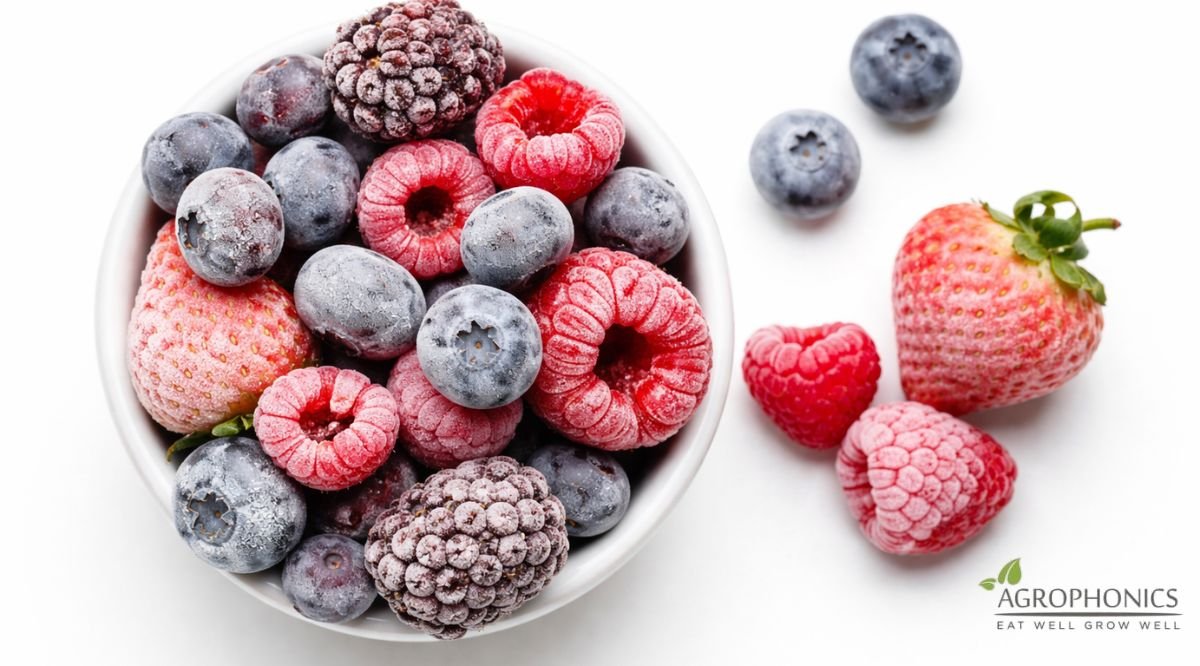
Each berry offers a different combination of fibre, vitamins, and plant compounds. Blueberries and blackberries are known for anthocyanins, strawberries provide vitamin C, raspberries offer substantial fibre, and cranberries contain distinctive polyphenols.
| Berry | Main nutritional highlight | What makes it different? |
| Blueberries | Anthocyanins | Blue-purple antioxidant pigments |
| Strawberries | Vitamin C | Vitamin-rich fruit |
| Raspberries | Dietary fibre | Particularly fibre-rich |
| Blackberries | Vitamin K | Fibre and anthocyanins |
| Cranberries | Polyphenols | Naturally tart flavour |
Frozen Berries vs Fresh Berries: Nutritional Value and Benefits
Frozen berries can retain many of the nutrients found in fresh fruit because they are generally frozen after harvesting and processing. Their nutritional quality depends on handling, storage, and processing conditions. Freezing also provides year-round convenience, particularly for consumers in Mumbai and other Indian cities where certain imported berries may have limited seasonal availability.
How to Eat Imported Frozen Berries Safely When Managing Diabetes?
People with diabetes can include berries in their meals by considering total carbohydrate intake and individual nutritional requirements. Whole, unsweetened berries are generally a better everyday option than products containing added sugar.
Recommended Portions and Carbohydrate Awareness
A practical starting point is approximately half a cup of berries, although the appropriate quantity depends on the berry, individual carbohydrate targets, and medical advice. Checking blood glucose responses can help individuals understand how particular foods affect them.
Healthy Ways to Combine Berries with Protein and Healthy Fats
Berries can be paired with plain Greek yoghurt, unsweetened milk, nuts, or oats. These combinations create balanced meals and snacks while adding protein, fibre, and other nutrients. Avoid adding honey, flavoured syrups, or sweetened condensed milk unnecessarily.
What to Check Before Buying Packaged Frozen Berries
Check the ingredient list to confirm that the product contains whole berries without added sugar, syrups, or unnecessary ingredients. Also examine packaging integrity, storage instructions, and whether the product has remained frozen throughout distribution.
Why Imported Frozen Berries Are Becoming Popular in India
Imported frozen berries provide convenient access to fruits that may not be consistently available fresh in Indian markets. Their frozen format supports longer storage under appropriate conditions and makes them useful for households, restaurants, cafés, bakeries, and food-service businesses.
Uses of Frozen Berries in Everyday Meals
These berries can be incorporated into smoothies, breakfast bowls, yoghurt, desserts, bakery preparations, and fruit-based recipes. Their convenience also helps food businesses maintain more consistent ingredient availability throughout the year.
Imported Frozen Berries Supplier in India: Why Agro Phonics?
Agro Phonics offers imported frozen berries for Indian consumers and businesses, including blueberries, strawberries, raspberries, blackberries, and cranberries. These varieties provide convenient fruit ingredients for cafés, restaurants, bakeries, and commercial kitchens.
Each berry offers a distinct flavour and culinary use. Blueberries and strawberries complement smoothies and desserts, raspberries add a tangy flavour to bakery preparations, while blackberries and cranberries bring variety to fruit-based recipes and beverages.
For Mumbai-based businesses and buyers across India, Agro Phonics provides access to five imported frozen berry varieties, supporting different food preparation requirements throughout the year.
Include the Right Berries in a Balanced Diabetes-Friendly Diet
Berries can be a nutritious addition to a balanced diet, particularly when consumed in suitable portions. Their natural fibre, vitamins, and antioxidant compounds make them a valuable option for people who want more variety in their daily meals.
Unsweetened frozen berries offer a convenient way to enjoy these fruits throughout the year. Agro Phonics brings a range of imported frozen berries to Indian consumers and food businesses. Explore the range to discover suitable options for your everyday recipes and food preparations.
Frequently Asked Questions About Berries and Diabetes
Q1: Are Frozen Blueberries Good for People with Diabetes?
Answer: Yes. Unsweetened frozen blueberries contain dietary fibre, vitamin C and anthocyanins. They can be included in a balanced diabetes-conscious diet, provided their carbohydrate content and portion size are considered. They do not replace prescribed diabetes medication or medical treatment .
Q2: Can People with Diabetes Eat Strawberries Every Day?
Answer: Strawberries can be consumed regularly in suitable portions. Their carbohydrate content should be included in an individual’s daily meal plan.
Q3: Are Raspberries Better Than Blueberries for Blood Sugar?
Answer: Raspberries generally contain more fibre, while blueberries are particularly rich in anthocyanins. Both offer nutritional benefits, and neither is universally better for everyone with diabetes.
Q4: Can Frozen Berries Increase Blood Sugar Levels?
Answer: Yes. Frozen berries contain natural carbohydrates that can raise blood glucose. Unsweetened varieties and controlled portions help manage carbohydrate intake.
Q5: Where Can You Buy Imported Frozen Berries in India?
Answer: Agro Phonics offers imported frozen berry varieties for Indian consumers and food businesses. Its range includes blueberries, strawberries, raspberries, blackberries, and cranberries, providing convenient fruit ingredients for different culinary needs.