
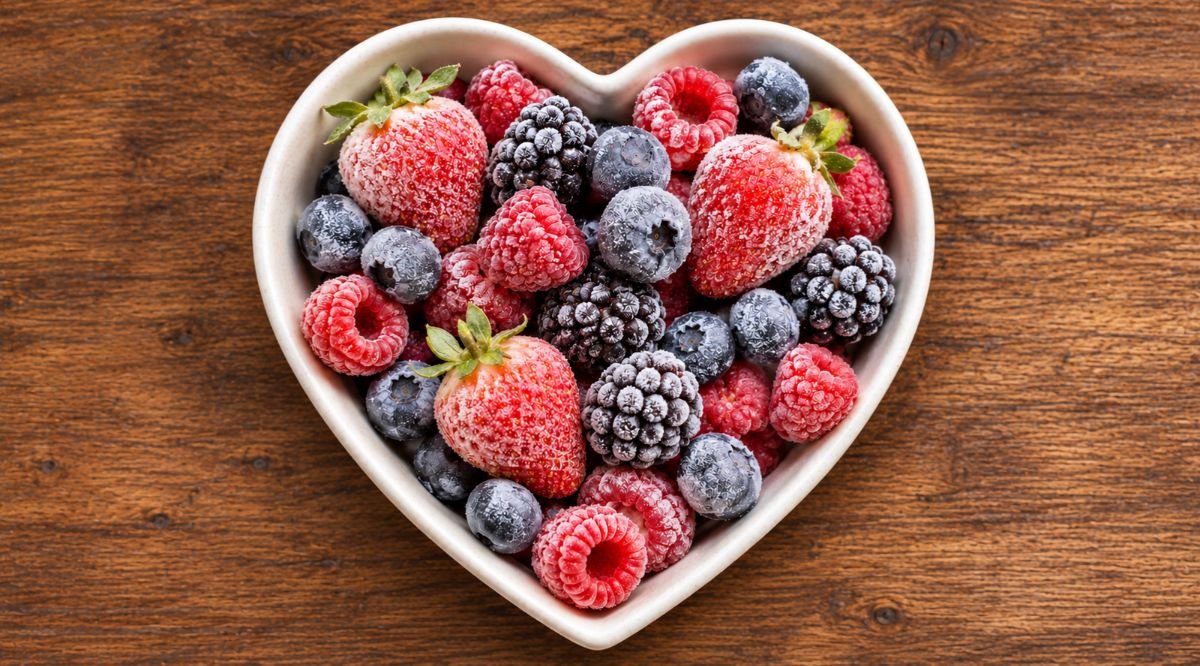
Maintaining good heart health requires a balanced diet, regular physical activity and attention to cholesterol and blood pressure levels. Including fruits rich in fibre, vitamins and antioxidants is one way to support cardiovascular wellness.
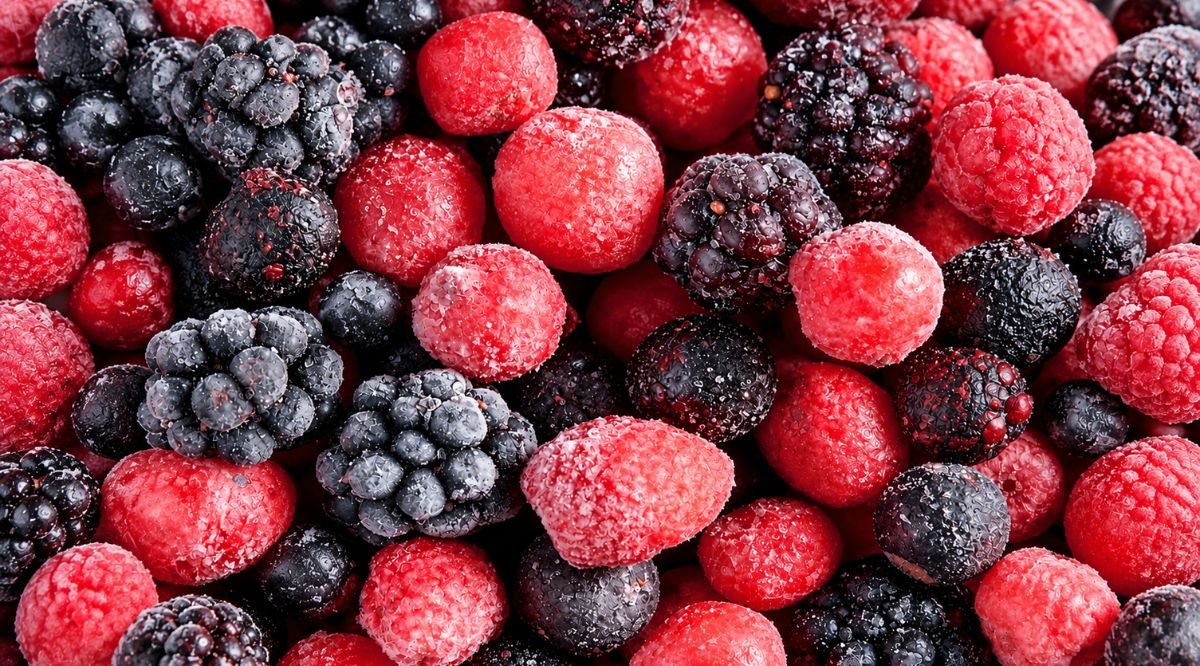
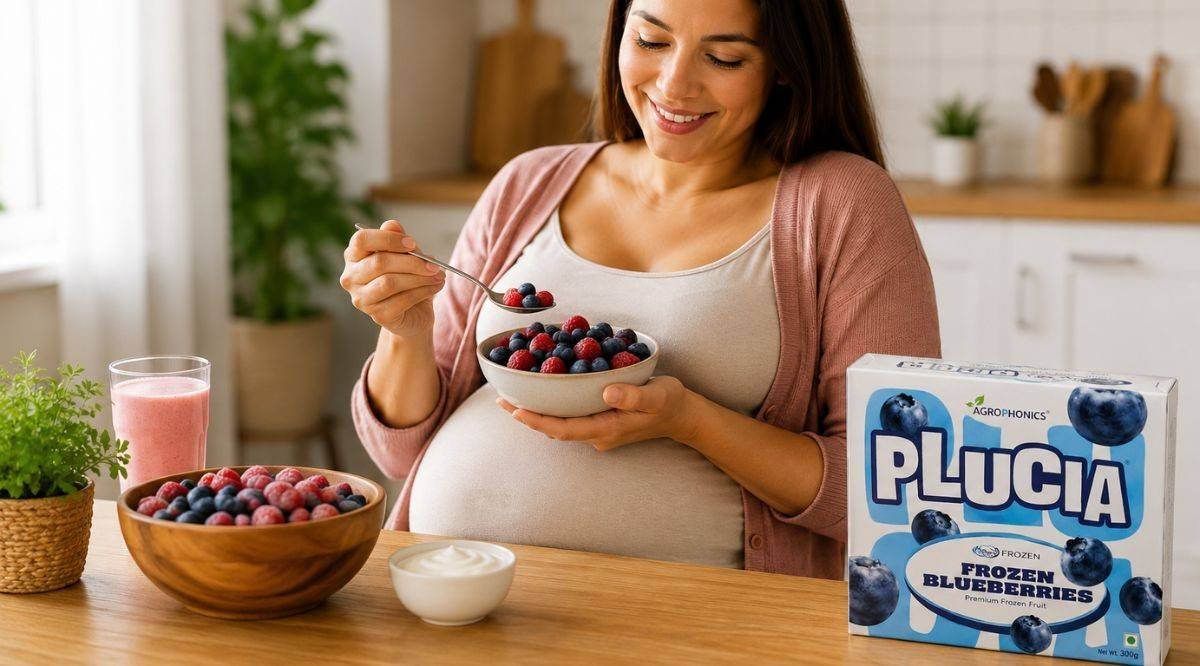
Frozen berries for heart health are a convenient addition to a balanced diet. Strawberries, blackberries, cranberries and red currants contain dietary fibre, anthocyanins, vitamin C and other beneficial plant compounds. These nutrients contribute to a healthy eating pattern and are being studied for their potential cardiovascular benefits.
Let’s understand how frozen berries support cholesterol management, healthy blood pressure and overall heart health.
Why Is Heart Health Important?
The heart pumps blood throughout the body, supplying oxygen and essential nutrients to different organs. Healthy blood vessels allow blood to circulate efficiently and support normal body functions.
Factors such as poor dietary habits, physical inactivity, smoking, high cholesterol and elevated blood pressure can increase cardiovascular risks.
Eating fruits, vegetables, whole grains and other nutrient-rich foods can support heart health. Including antioxidant-rich berries is a simple way to add more plant-based nutrients to everyday meals.
Understanding Cholesterol and Blood Pressure
Cholesterol and blood pressure are two important factors associated with cardiovascular health.
Blood pressure measures the force of blood against artery walls. Persistently high blood pressure, also known as hypertension, can damage blood vessels and increase the risk of heart disease and stroke.
Cholesterol is a substance needed by the body to produce hormones and maintain healthy cells. However, excessive LDL cholesterol can contribute to plaque formation inside arteries, restricting blood flow.
LDL is commonly called bad cholesterol, while HDL is known as good cholesterol because it helps transport cholesterol back to the liver.
Maintaining healthy cholesterol and blood pressure levels through balanced nutrition, exercise and appropriate medical care is important for long-term well-being.
How Do Frozen Berries Support Heart Health?
Frozen berries contain several nutrients and plant compounds that contribute to a heart-conscious diet. Their nutritional value comes from dietary fibre, anthocyanins, vitamin C and polyphenols.
Anthocyanins and Antioxidant Benefits
Anthocyanins are natural pigments responsible for the red, blue and purple colours found in many berries. They belong to a group of plant compounds called flavonoids.
Found in strawberries and blackberries, anthocyanins are studied for their antioxidant properties and potential effects on blood vessel function.
Dietary Fibre and Cholesterol Management
Dietary fibre plays an important role in digestive and cardiovascular health. Certain types of soluble fibre can reduce cholesterol absorption in the digestive system and support healthy LDL cholesterol levels.
Whole berries provide dietary fibre and can contribute to daily fibre intake. Combining them with other fibre-rich foods, such as oats, barley and beans, is a practical way to support healthy cholesterol management.
Polyphenols, Vitamin C and Blood Pressure
Berries contain polyphenols that are studied for their potential effects on vascular function. Vitamin C supports normal collagen formation, which is important for healthy blood vessels.
Potassium also contributes to normal blood pressure regulation by helping balance the effects of sodium. Including a variety of fruits and vegetables in everyday meals helps provide these important nutrients.
Nutritional Benefits of Different Frozen Berries
Each berry variety offers a different combination of nutrients and naturally occurring plant compounds.
Frozen Strawberries
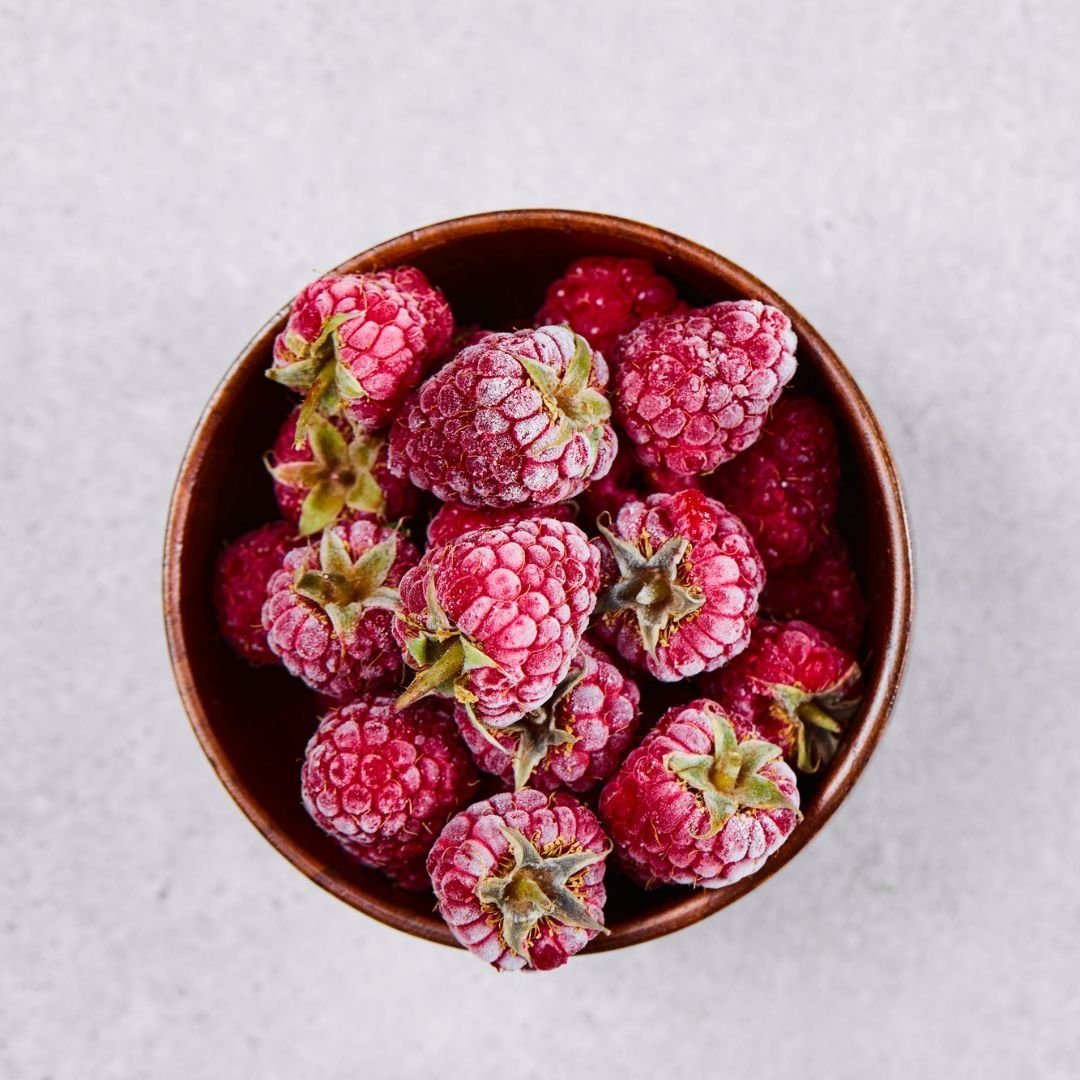
Frozen strawberries contain vitamin C, dietary fibre and anthocyanins. Their nutritional value makes them a useful addition to breakfast bowls, smoothies and fruit-based snacks.
Frozen Blackberries
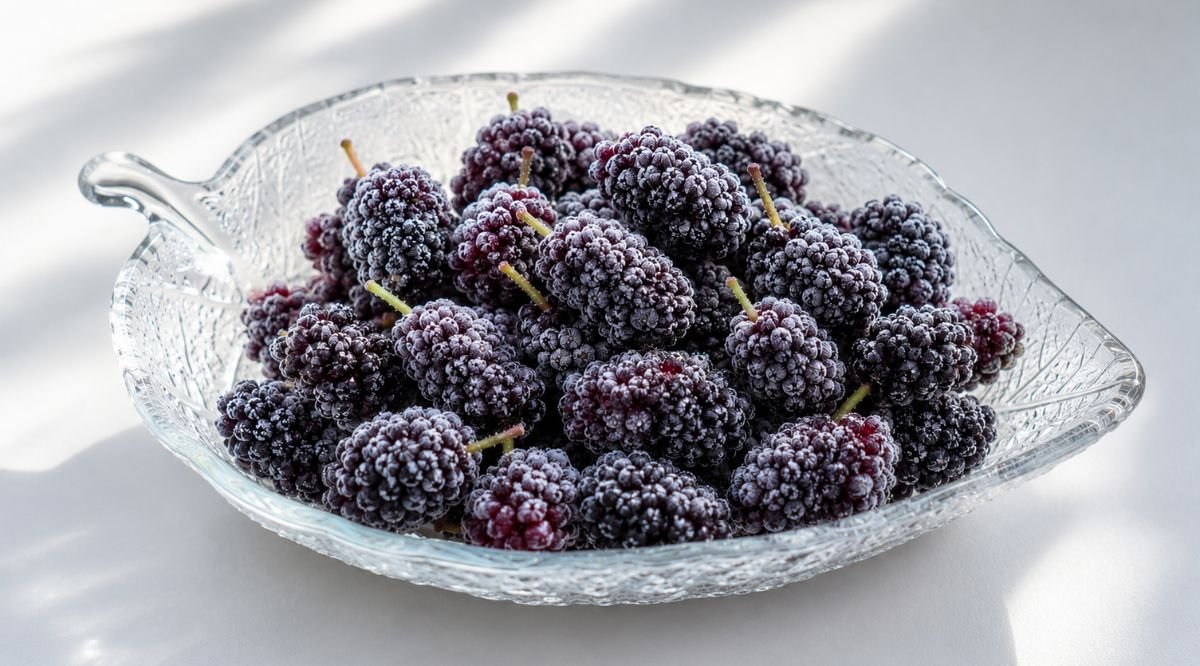
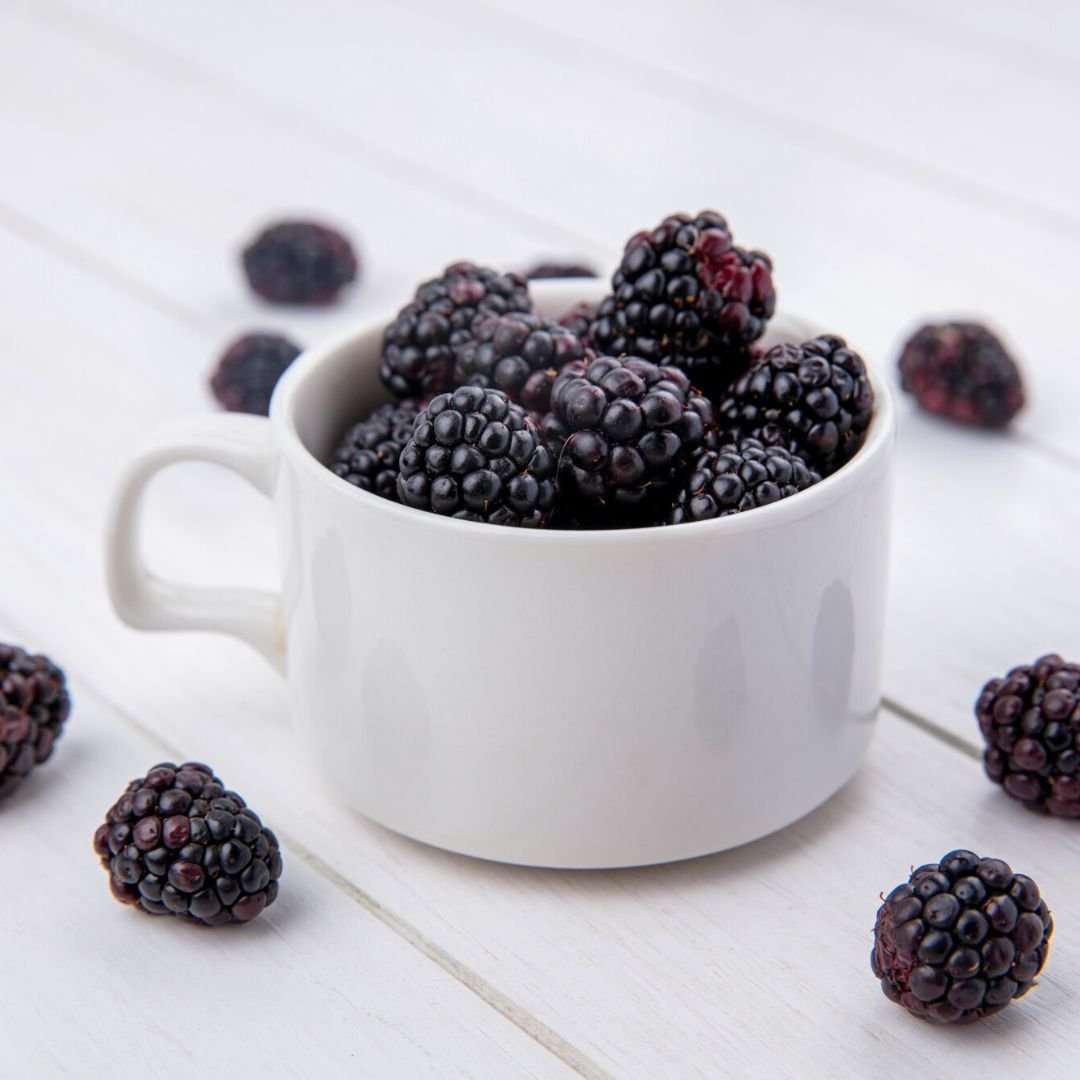
Blackberries provide dietary fibre, vitamin C and anthocyanins. They can be added to yoghurt, oatmeal and smoothies while contributing to daily fibre intake.
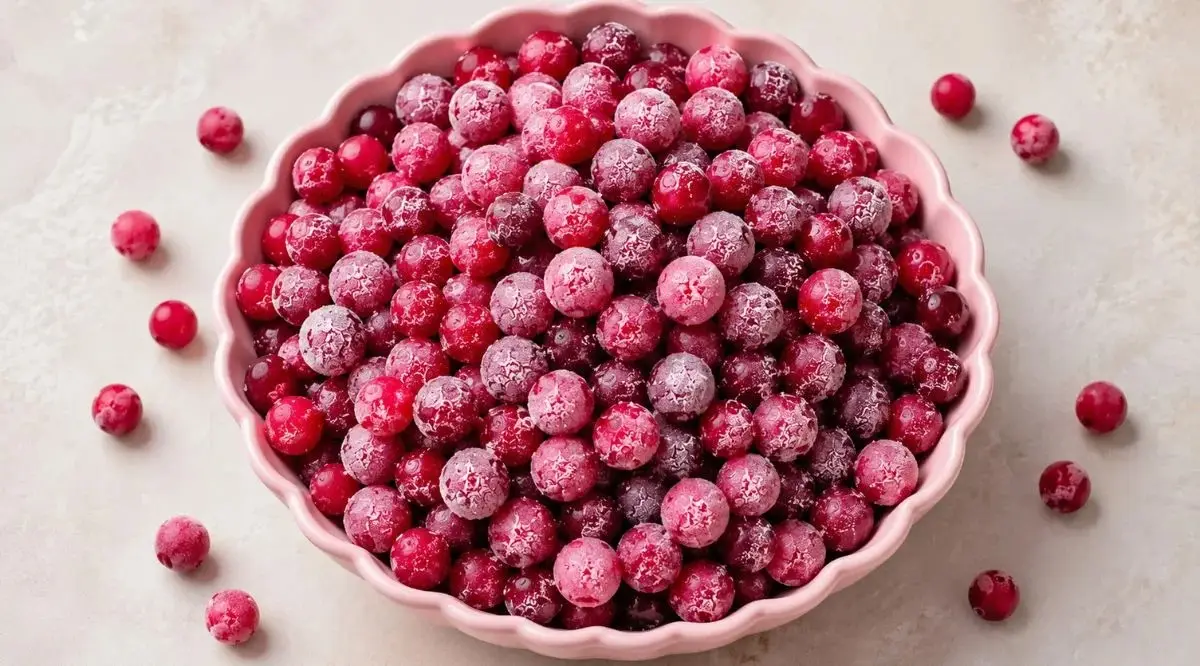
Frozen Cranberries
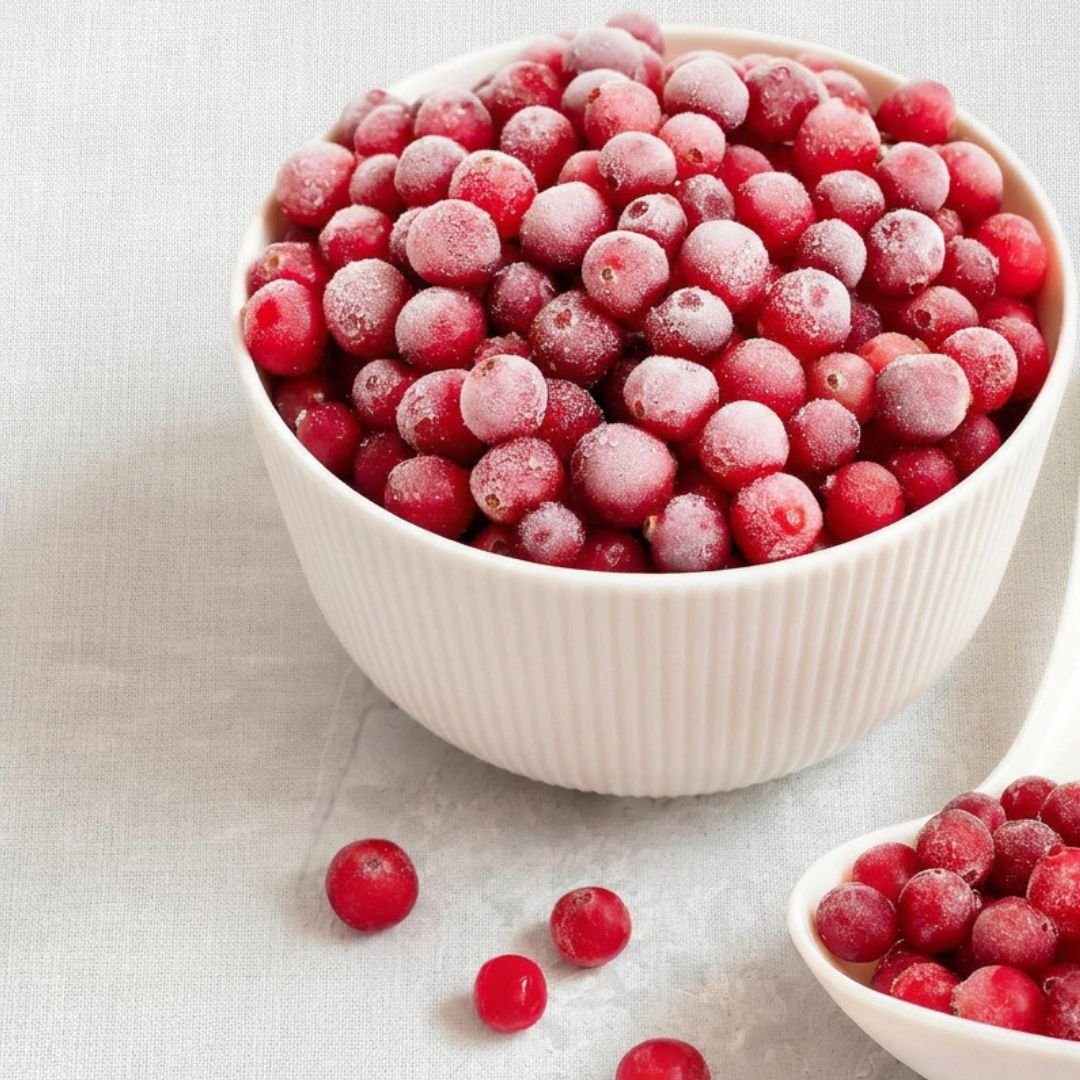
Cranberries are known for their tart flavour and naturally occurring proanthocyanidins and other polyphenols. They are commonly used in smoothies, sauces, beverages and bakery products.
Frozen Red Currants
Red currants provide vitamin C, dietary fibre and polyphenols. Their slightly tart flavour makes them suitable for fruit blends, desserts and beverages.
Nutritional Comparison of Frozen Berries
| Berry variety | Important nutrients | Dietary contribution |
| Strawberries | Vitamin C, fibre, anthocyanins | Nutrient-rich fruit choice |
| Blackberries | Fibre, vitamin C, anthocyanins | Supports daily fibre intake |
| Cranberries | Proanthocyanidins, polyphenols | Provides beneficial plant compounds |
| Red currants | Vitamin C, fibre, polyphenols | Adds variety to fruit intake |
Nutritional composition can vary depending on the variety, processing and storage conditions.
Are Frozen Berries as Nutritious as Fresh Berries?
Frozen berries can retain much of their nutritional value when properly processed and stored. Freezing helps preserve fruit and makes seasonal berries available throughout the year.
Some nutrients, particularly vitamin C, may change during processing and storage. However, freezing generally preserves dietary fibre and many naturally occurring plant compounds.
Unsweetened frozen berries are a practical choice because they contain no additional sugar. Always check product labels before purchasing.
How to Include Frozen Berries in a Heart-Healthy Diet
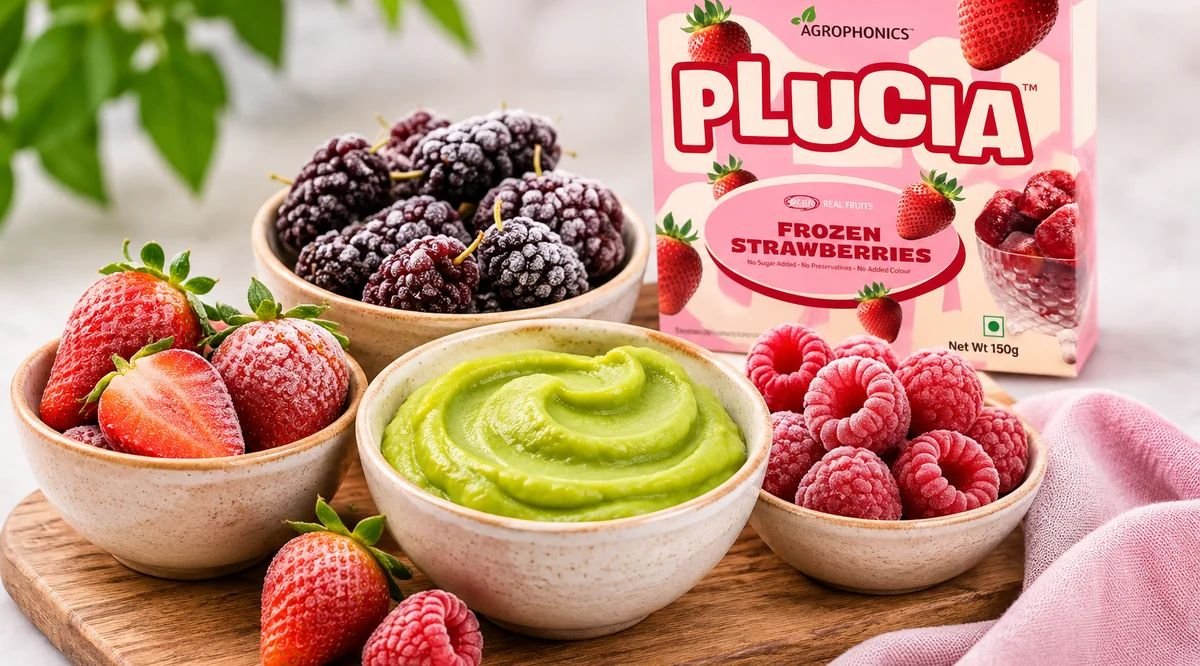
Frozen berries are easy to incorporate into everyday meals. Add strawberries or blackberries to oatmeal, mix cranberries into smoothies or combine red currants with plain yoghurt.
They can also be blended with bananas, nuts and seeds to prepare nutritious snacks. Pairing berries with vegetables, whole grains and healthy fats creates a more balanced dietary pattern.
Where to Buy Imported Frozen Berries in Mumbai?
Choosing a reliable supplier is important for businesses involved in food manufacturing, hospitality, retail and foodservice.
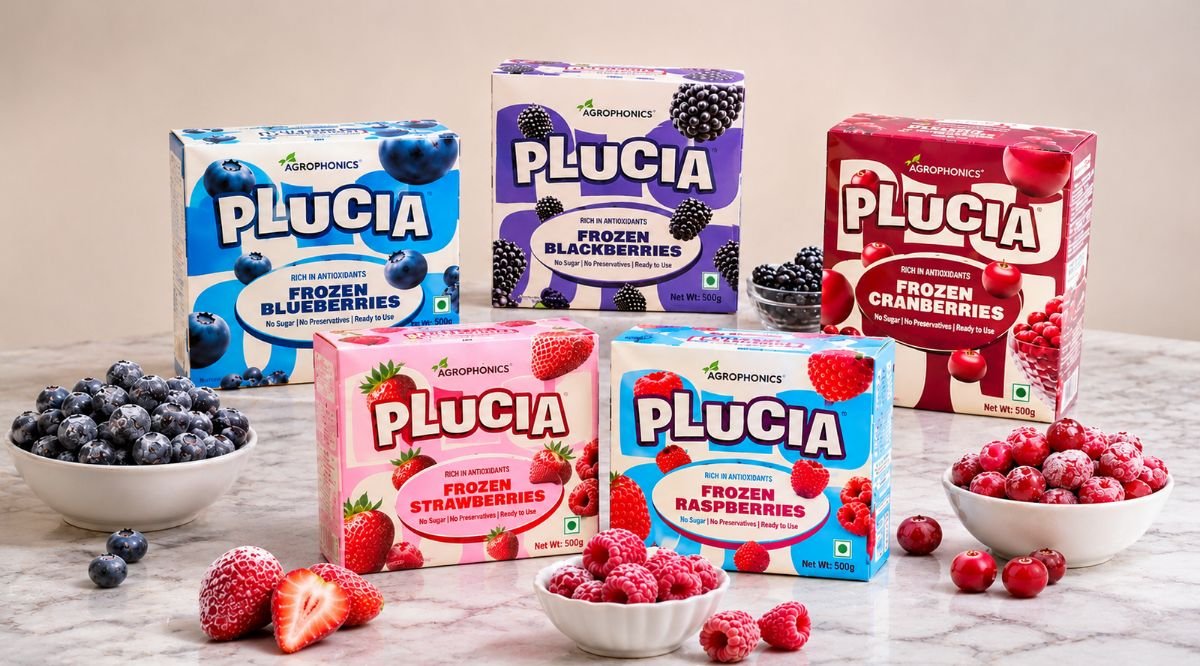
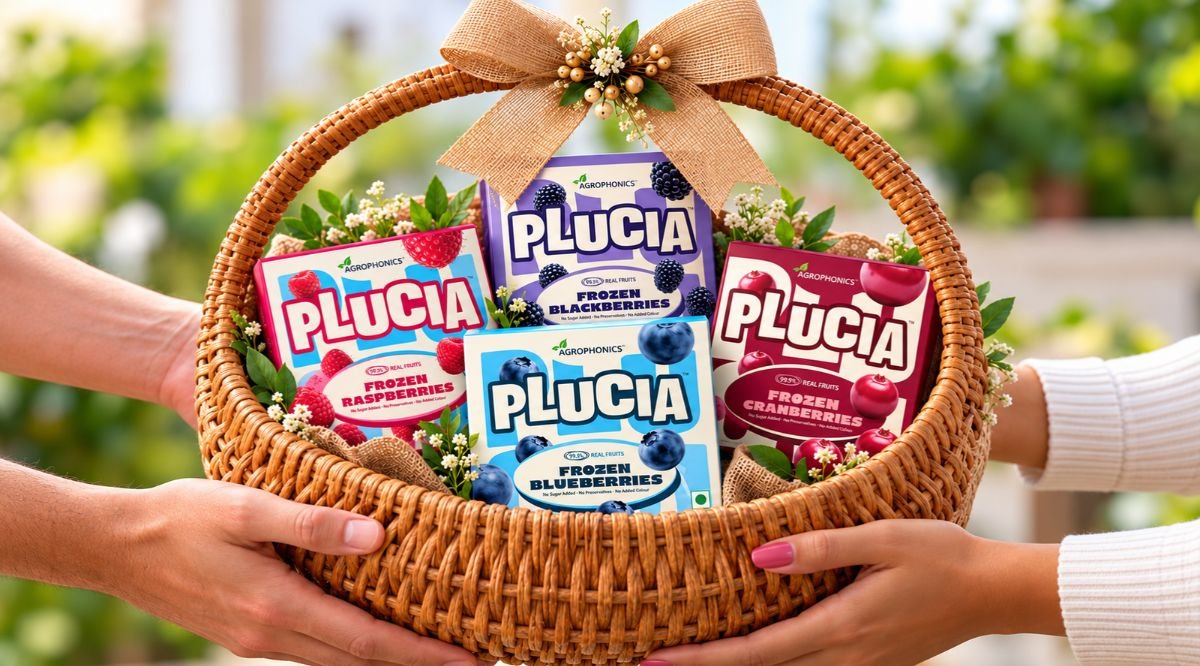
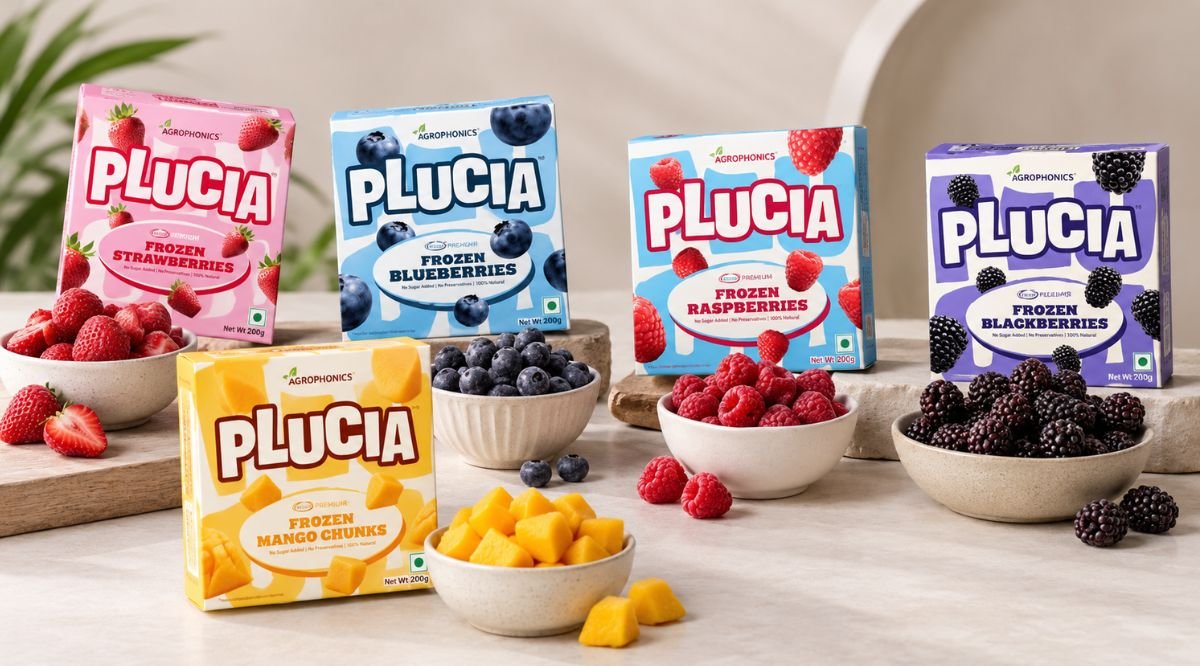
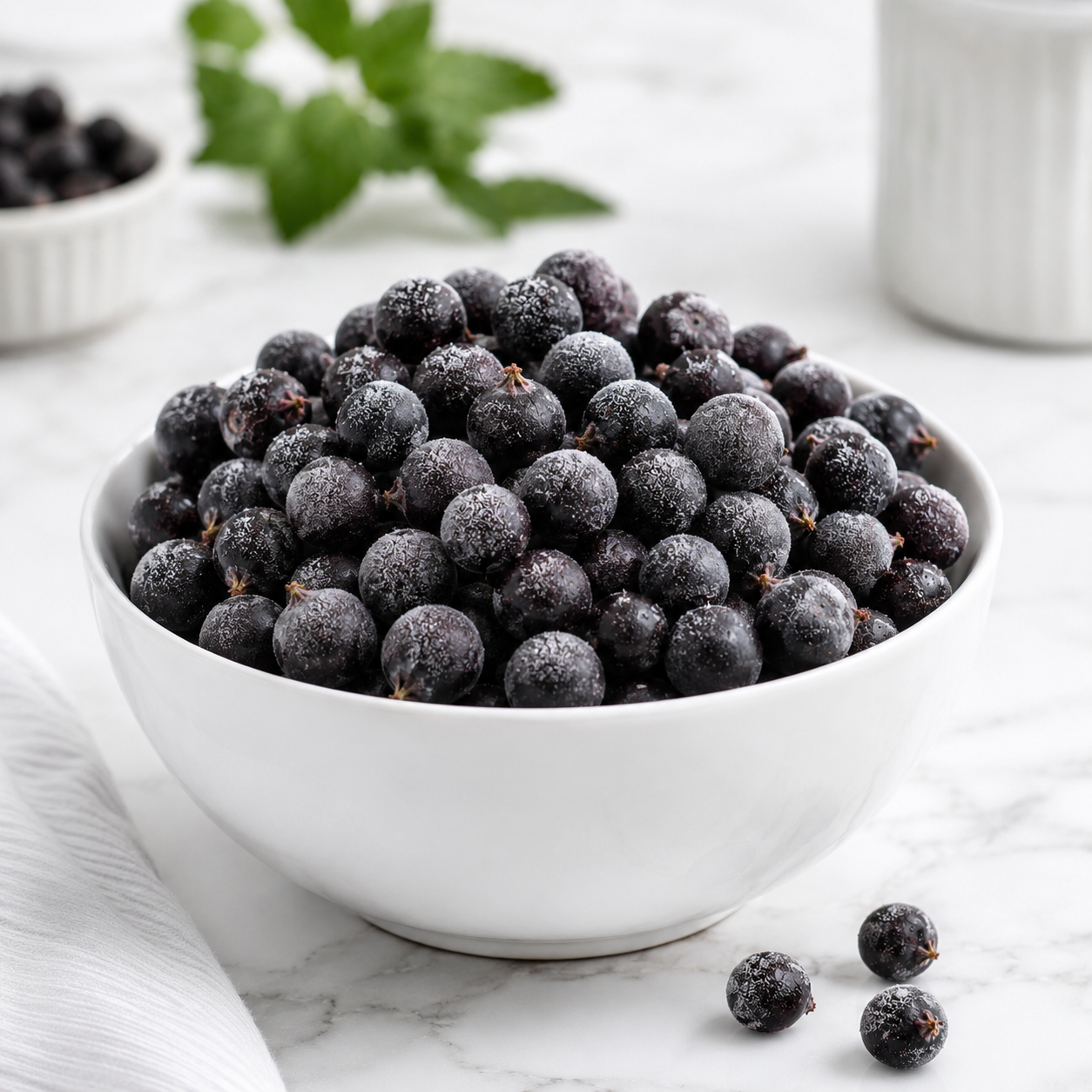
Agrophonics offers imported frozen berry options, including strawberries, blackberries, cranberries and red currants. These varieties are suitable for smoothies, desserts, bakery products, beverages and other food applications.
Businesses searching for an imported frozen berries supplier in Mumbai can enquire about product availability, specifications, packaging and bulk purchasing requirements. These options can serve the sourcing needs of food manufacturers, distributors and commercial buyers.
Making Frozen Berries Part of Your Daily Diet
Frozen berries provide dietary fibre, vitamin C and beneficial plant compounds that complement a balanced diet. Including different varieties in everyday meals is a convenient way to increase fruit consumption and support overall cardiovascular wellness.
For quality imported frozen berries, explore the range available at Agrophonics and find suitable options for your food, beverage and commercial requirements.
Frequently Asked Questions About Frozen Berries
Q1: Are frozen berries good for heart health?
Answer: Yes. Frozen berries contain dietary fibre, vitamin C, anthocyanins and polyphenols that contribute to a heart-healthy eating pattern when included in a balanced diet.
Q2: Can frozen berries help lower cholesterol?
Answer: Their dietary fibre contributes to healthy cholesterol management. However, berries should complement other fibre-rich foods and established cholesterol-management measures rather than replace medical treatment.
Q3: Which berries are best for heart health?
Answer: Strawberries, blackberries, cranberries and red currants all provide different nutrients and plant compounds. Including a variety of berries can help increase the range of nutrients in your diet.
Q4: Do frozen berries help manage blood pressure?
Answer: Berries contain polyphenols that are being studied for their potential effects on blood vessel function. They can complement a balanced diet but cannot independently treat high blood pressure.
Q5: Are frozen berries as healthy as fresh berries?
Answer: Yes, frozen berries can be nutritious alternatives to fresh berries. Proper freezing preserves much of their nutritional value and makes them available throughout the year.