
Frozen fruit has become an essential ingredient for both health-conscious consumers and the food industry. Among the growing range of frozen produce, Frozen Kiwi stands out for its vibrant flavour, impressive nutritional profile and year-round convenience. Whether blended into smoothies, added to desserts or used in commercial food production, frozen kiwi offers the taste and goodness of ripe kiwi fruit without the challenges of seasonal availability.
Modern IQF (Individually Quick Frozen) technology allows kiwi slices to be frozen shortly after harvesting at peak ripeness. This rapid freezing process helps preserve texture, colour and many naturally occurring nutrients while extending shelf life. As a result, frozen kiwi has become a preferred ingredient for households, cafés, restaurants and food manufacturers seeking consistent quality throughout the year.
What Is Frozen Kiwi?
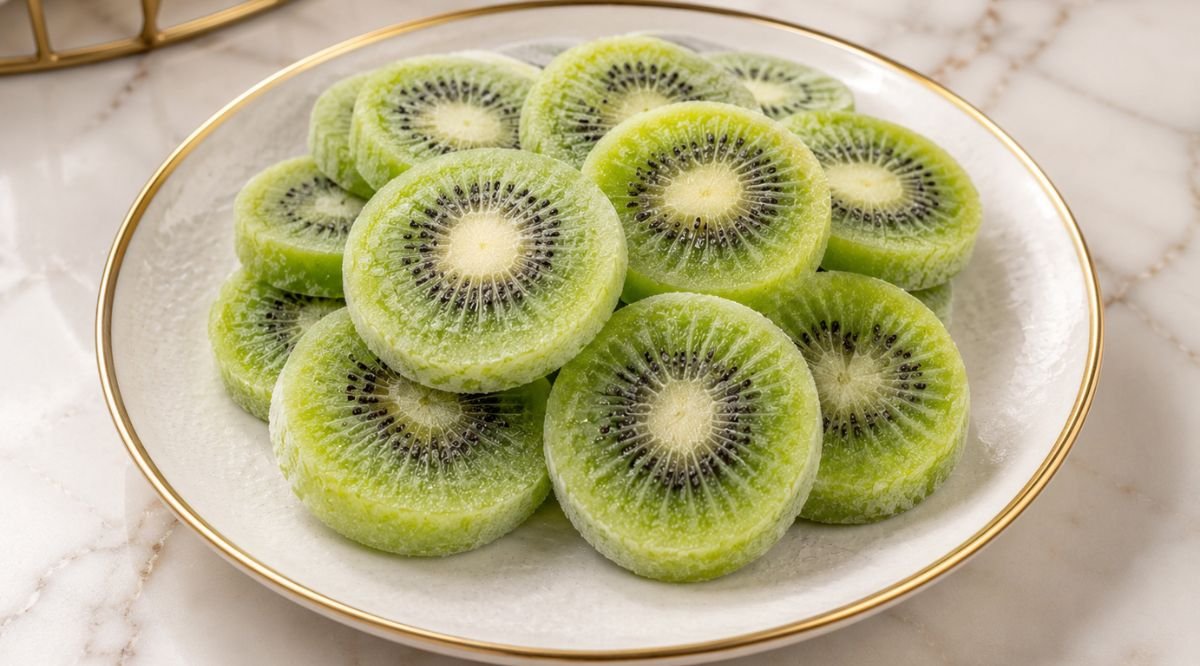
Frozen kiwi is produced from carefully selected ripe kiwi fruit that is washed, peeled, sliced and rapidly frozen using IQF technology. Unlike conventional freezing methods that may cause fruits to clump together, IQF freezes each slice individually. This makes it easy to use only the required quantity while maintaining product quality.
High-quality Frozen Kiwi Slices retain their natural colour, refreshing sweet-tart flavour and nutritional value when stored correctly within a reliable cold chain. Businesses across the foodservice industry appreciate IQF frozen fruit because it reduces preparation time, minimises wastage and provides dependable consistency in every batch.
For consumers and commercial buyers seeking premium-quality frozen fruit, Agrophonics supplies carefully processed frozen kiwi suitable for a wide range of culinary and industrial applications.
How IQF Technology Helps Preserve Quality
One of the biggest advantages of frozen fruit lies in the IQF freezing process. Fresh kiwi is frozen rapidly at very low temperatures, forming smaller ice crystals than traditional freezing methods. Smaller crystals cause less damage to the fruit’s cell structure, helping maintain texture after thawing.
IQF frozen fruit also offers several operational benefits:
- Preserves flavour and natural appearance
- Supports better nutrient retention
- Allows easy portion control
- Reduces food waste
- Provides year-round availability
- Extends storage life without artificial preservatives
- Simplifies food preparation for commercial kitchens
These advantages make IQF frozen fruit particularly valuable for the growing foodservice and food manufacturing sectors.
Frozen Kiwi Nutrition
Kiwi is naturally rich in several essential vitamins and minerals that contribute to a balanced diet. According to standard nutritional values, one medium kiwi (approximately 69 g) provides:
| Nutrient | Amount per Medium Kiwi |
| Calories | 42 kcal |
| Protein | 0.8 g |
| Carbohydrates | 10 g |
| Dietary Fibre | 2.1 g |
| Sugars | 6.2 g |
| Fat | 0.4 g |
| Vitamin C | 64 mg |
| Vitamin K | 28 mcg |
| Folate | 17 mcg |
| Potassium | 215 mg |
Nutrient values may vary slightly depending on kiwi variety, maturity and processing methods.
Health Benefits of Frozen Kiwi
Rich in Vitamin C for Immune Support
Kiwi is recognised as one of the richest natural sources of Vitamin C. This vitamin contributes to the normal functioning of the immune system while also supporting collagen production, which is essential for healthy skin, blood vessels and connective tissues. Because IQF freezing takes place soon after harvesting, frozen kiwi can retain a significant proportion of its Vitamin C when stored appropriately.
Naturally High in Antioxidants
Kiwi contains antioxidants that help protect the body’s cells from oxidative stress caused by unstable molecules known as free radicals. A diet rich in antioxidant-containing fruits may contribute to overall wellbeing when combined with a healthy lifestyle.
Supports Digestive Health
Each medium kiwi provides dietary fibre, which promotes healthy digestion and helps support regular bowel function. Fibre also slows digestion, helping people feel satisfied for longer after meals.
A Low-Calorie Fruit for Weight Management
With only around 42 calories per medium fruit, frozen kiwi fits comfortably into calorie-conscious eating plans. Its combination of fibre and natural sweetness makes it an excellent ingredient for healthy snacks, breakfast bowls and smoothies without adding excessive calories.
Low Glycaemic Index
Kiwi has a relatively low glycaemic index compared with many processed snacks. Combined with its fibre content, this helps produce a more gradual rise in blood glucose levels, making it a sensible fruit choice as part of a balanced diet.
Potassium Supports Normal Muscle Function
Potassium is an essential mineral involved in normal muscle contraction, fluid balance and nerve signalling. Including potassium-rich fruits within a varied diet supports overall physiological function.
Folate Supports Healthy Pregnancy
Folate plays an important role in normal cell division and is particularly important before and during early pregnancy. Although frozen kiwi should not be considered a sole source of folate, it can contribute to overall dietary intake as part of a varied eating pattern.
Commercial Uses of Frozen Kiwi Across the Food Industry
The versatility of Frozen Kiwi makes it a valuable ingredient across both retail and commercial food sectors. Its consistent quality, vibrant colour and refreshing flavour allow businesses to create products throughout the year without relying on seasonal fresh fruit.
Many industries use frozen kiwi because it offers predictable quality, reduces preparation time and supports efficient inventory management.
Common commercial applications include:
- Smoothie Bars: Blended into smoothies, smoothie bowls and protein shakes.
- Juice and Beverage Brands: Used in cold-pressed juices, fruit coolers, mocktails and flavoured beverages.
- Hotels and Restaurants: Added to breakfast buffets, desserts, fruit platters and premium beverages.
- Cafés: Used in yoghurt bowls, parfaits, pastries and healthy snack menus.
- Bakeries: Included in cakes, cheesecakes, tarts, muffins and fruit fillings.
- Ice Cream and Dessert Manufacturers: Used in sorbets, gelato, frozen yoghurt and dessert toppings.
- Food Processing Industry: Processed into fruit purées, sauces, fillings and ready-to-eat products.
- HoReCa and Catering Businesses: Preferred for large-scale food preparation due to consistent quality and reduced wastage.
For businesses seeking dependable quality, Agrophonics supplies premium IQF frozen fruits that meet the needs of modern foodservice operations.
Why Businesses Choose IQF Frozen Kiwi
For commercial kitchens and manufacturers, IQF frozen fruit offers several operational advantages over fresh produce:
- Available throughout the year.
- Longer shelf life when stored correctly.
- Reduced preparation time.
- Minimal product wastage.
- Easy portion control.
- Consistent size, flavour and appearance.
- Reliable supply for seasonal and high-volume demand.
These benefits help businesses maintain product consistency while improving operational efficiency.
Health Goals Guide
The following ratings are intended for general educational purposes only and should not replace personalised medical or dietary advice.
| Health Goal | Suitability | Why Frozen Kiwi Helps |
| Weight Management | Excellent | Low in calories and naturally rich in dietary fibre, helping promote fullness and support portion control. |
| Muscle Recovery | Very Good | Vitamin C contributes to normal collagen formation, supporting healthy connective tissues and overall recovery as part of a balanced diet. |
| Diabetes-Friendly Diet | Excellent | Its relatively low glycaemic index and dietary fibre help support steady blood sugar management when included in a balanced diet. |
| PCOS-Friendly Diet | Excellent | Dietary fibre and naturally occurring antioxidants support overall metabolic health and balanced nutrition. |
| Pregnancy Nutrition | Excellent | Provides folate and Vitamin C, which contribute to meeting nutritional requirements during pregnancy as part of a varied diet. |
| Immune Support | Excellent | Naturally rich in Vitamin C and antioxidants that contribute to the normal functioning of the immune system. |
Note: These suitability ratings are provided for general educational purposes only and should not replace personalised medical or dietary advice.
How to Store Frozen Kiwi
Proper storage helps preserve flavour, texture and nutritional quality.
For the best results:
- Store at –18°C or below.
- Keep the packaging tightly sealed after opening.
- Avoid repeated thawing and refreezing, as this may affect texture.
- Use clean utensils when handling frozen fruit.
- Consume within the recommended storage period mentioned on the packaging.
When stored correctly in a continuous cold chain, frozen kiwi maintains excellent quality for several months.
Five Easy Frozen Kiwi Recipes
1. Kiwi Smoothie
Ingredients
- 1 cup Frozen Kiwi Slices
- 1 banana
- 200 ml milk or oat milk
- 1 tablespoon honey (optional)
Preparation
Blend all ingredients until smooth.
Serving Idea
Serve immediately as a refreshing breakfast or post-workout drink.
2. Kiwi Yoghurt Bowl
Ingredients
- ½ cup frozen kiwi
- Greek yoghurt
- Granola
- Chia seeds
- Fresh berries
Preparation
Add yoghurt to a bowl and top with frozen kiwi, granola and berries.
Serving Idea
Ideal for a nutritious breakfast or healthy afternoon snack.
3. Frozen Kiwi Sorbet
Ingredients
- 2 cups frozen kiwi
- Juice of one lemon
- 2 tablespoons honey
Preparation
Blend until smooth and freeze for approximately one hour before serving.
Serving Idea
A naturally refreshing dessert during warmer months.
4. Kiwi Lemon Cooler
Ingredients
- Frozen kiwi
- Lemon juice
- Mint leaves
- Chilled sparkling water
Preparation
Blend the kiwi with lemon juice, pour into a glass and top with sparkling water.
Serving Idea
Garnish with fresh mint for a vibrant summer beverage.
5. Tropical Fruit Salad
Ingredients
- Frozen kiwi
- Frozen mango
- Frozen pineapple
- Fresh pomegranate
- Lime juice
Preparation
Allow the fruit to soften slightly, then combine gently with lime juice.
Serving Idea
Perfect as a colourful dessert or breakfast accompaniment.
Why Frozen Kiwi Deserves a Place in Every Modern Kitchen
Frozen kiwi combines convenience, nutrition and versatility in a single ingredient. Whether you are preparing a wholesome smoothie at home or producing food on a commercial scale, IQF frozen kiwi delivers dependable quality throughout the year. Its naturally high Vitamin C content, dietary fibre, antioxidants and refreshing flavour make it suitable for a wide variety of recipes while supporting a balanced lifestyle.
For households, cafés, restaurants and food manufacturers looking for consistent, premium-quality frozen fruit, choosing an experienced supplier makes all the difference. Agrophonics provides carefully processed frozen kiwi backed by reliable cold-chain handling, helping customers enjoy quality frozen fruit whenever they need it.
Frequently Asked Questions
Q1. Is frozen kiwi healthy?
Answer: Yes. Frozen kiwi remains a nutritious fruit because it is typically frozen soon after harvesting. When processed using IQF technology and stored correctly, it retains much of its natural Vitamin C, fibre and antioxidants, making it an excellent addition to a balanced diet.
Q2. Can frozen kiwi replace fresh kiwi?
Answer: For many recipes, yes. Frozen kiwi works particularly well in smoothies, desserts, breakfast bowls and beverages. While fresh kiwi may be preferred for some fruit platters, frozen kiwi offers excellent convenience, consistency and year-round availability.
Q3. How should frozen kiwi be stored?
Answer: Keep frozen kiwi at –18°C or below in a sealed package. Avoid repeated thawing and refreezing, as this can affect texture and overall quality.
Q4. Can frozen kiwi be eaten directly?
Answer: Yes. Many people enjoy frozen kiwi straight from the freezer as a refreshing snack. Others prefer allowing it to soften for a few minutes before eating to enhance its natural sweetness.
Q5. Where can businesses buy frozen kiwi in bulk?
Answer: Businesses such as hotels, restaurants, cafés, bakeries and food manufacturers should source frozen kiwi from experienced suppliers that maintain strict quality standards and an uninterrupted cold chain. Agrophonics offers Frozen Kiwi Slices for both commercial and foodservice requirements.