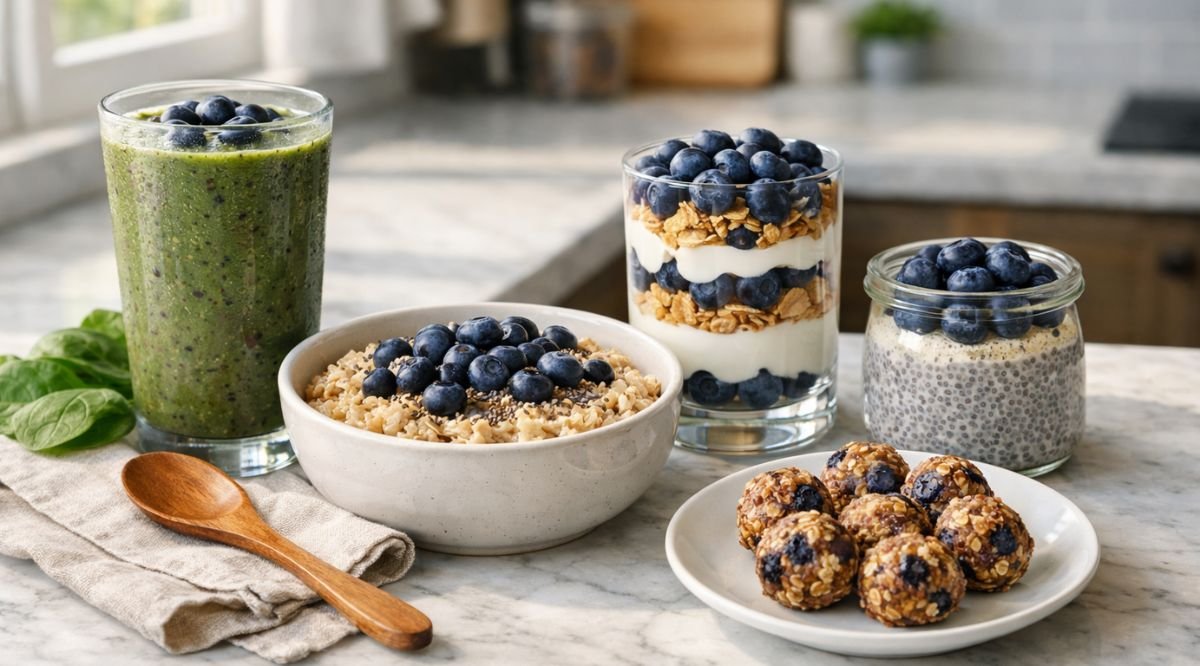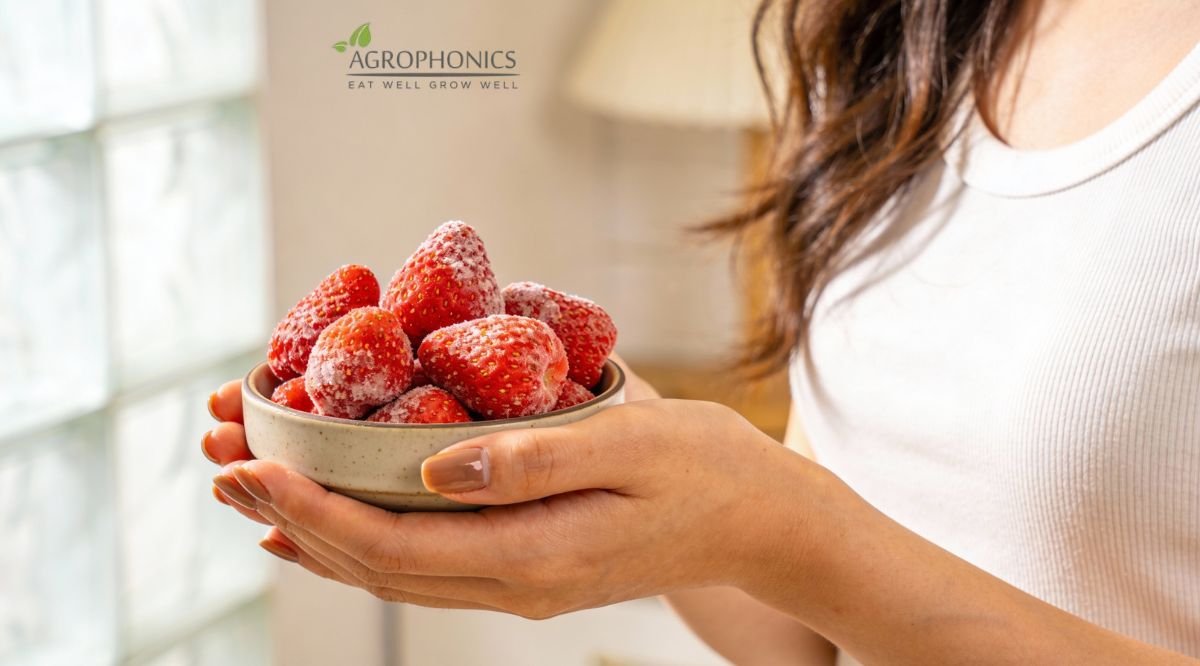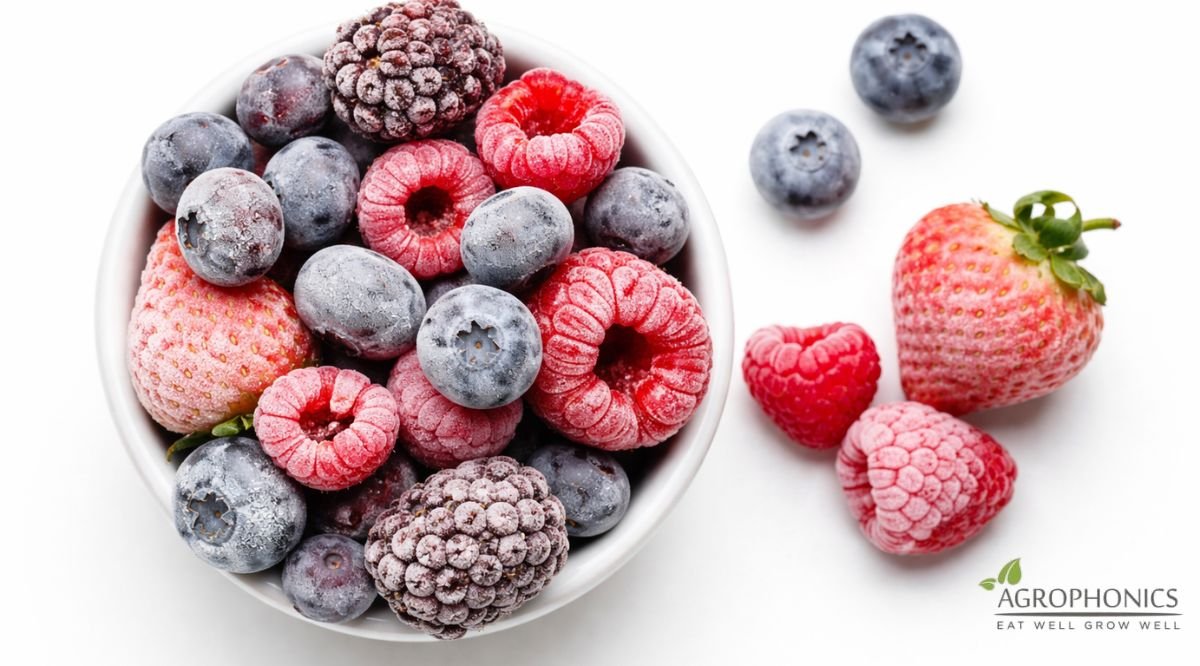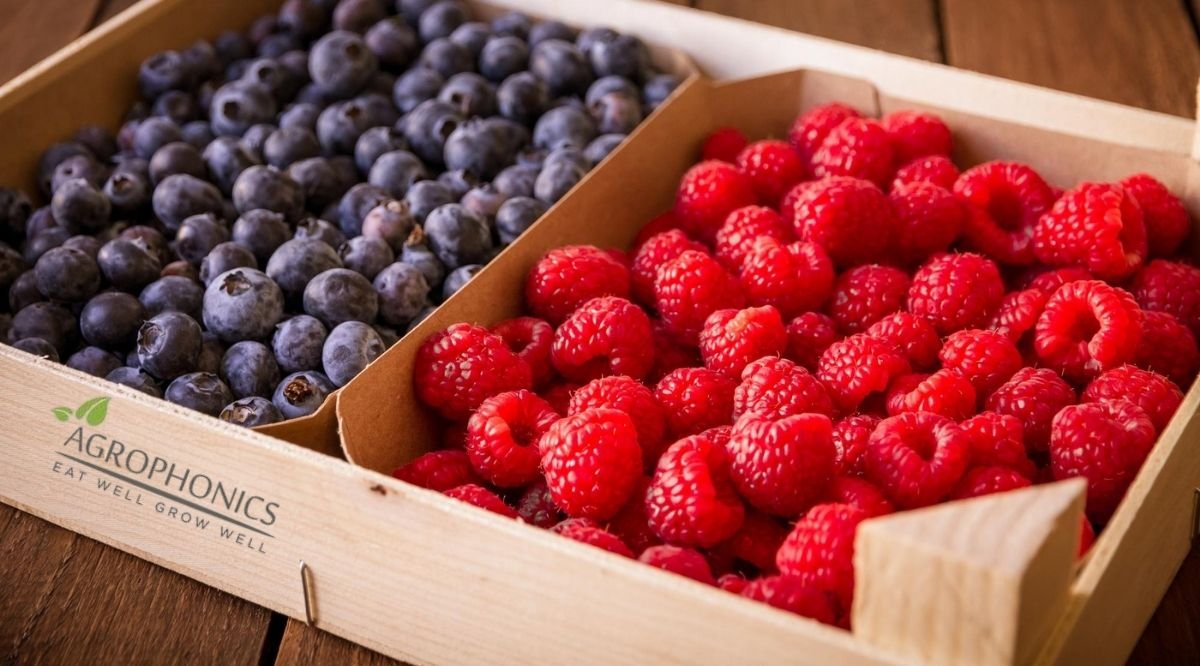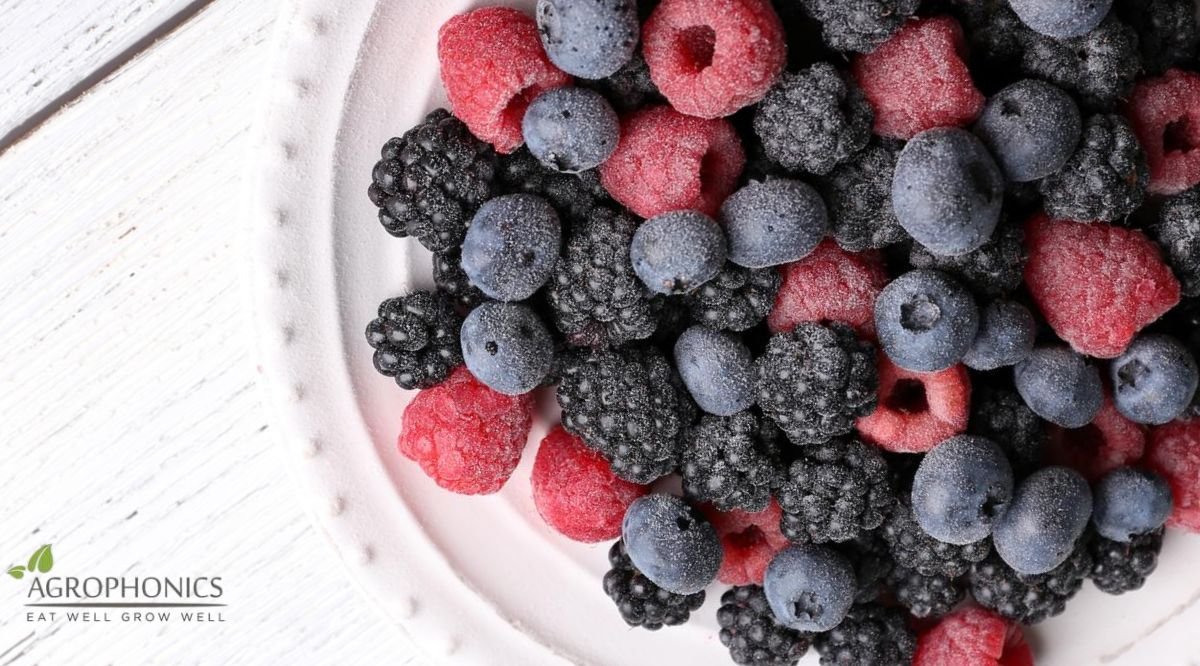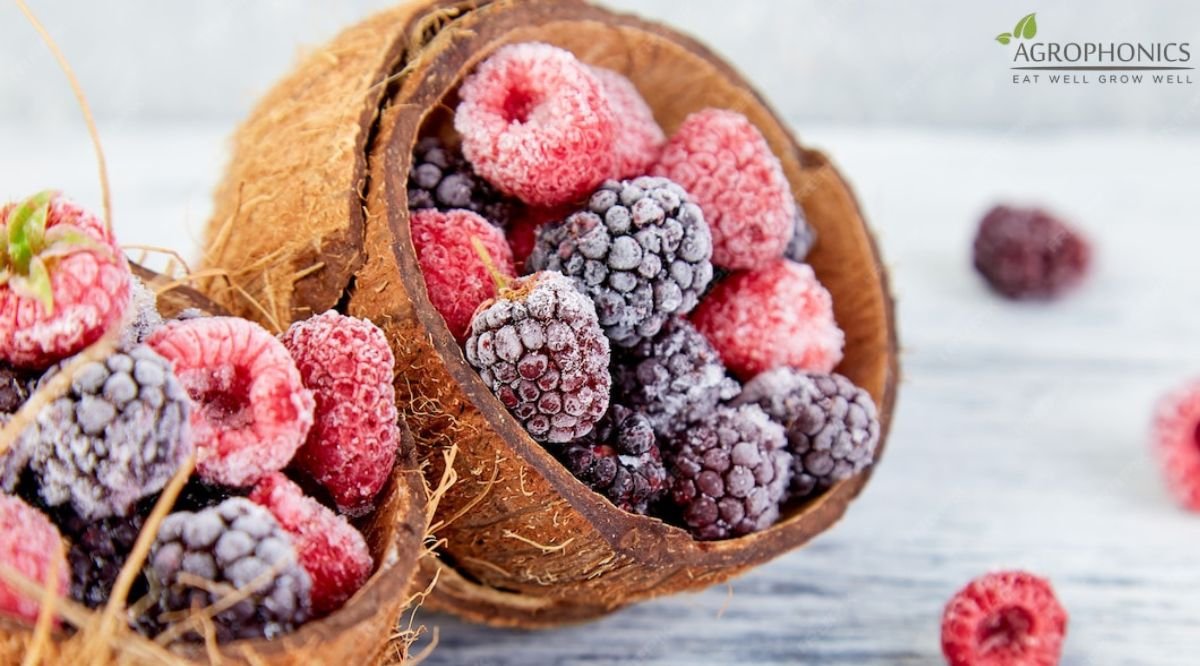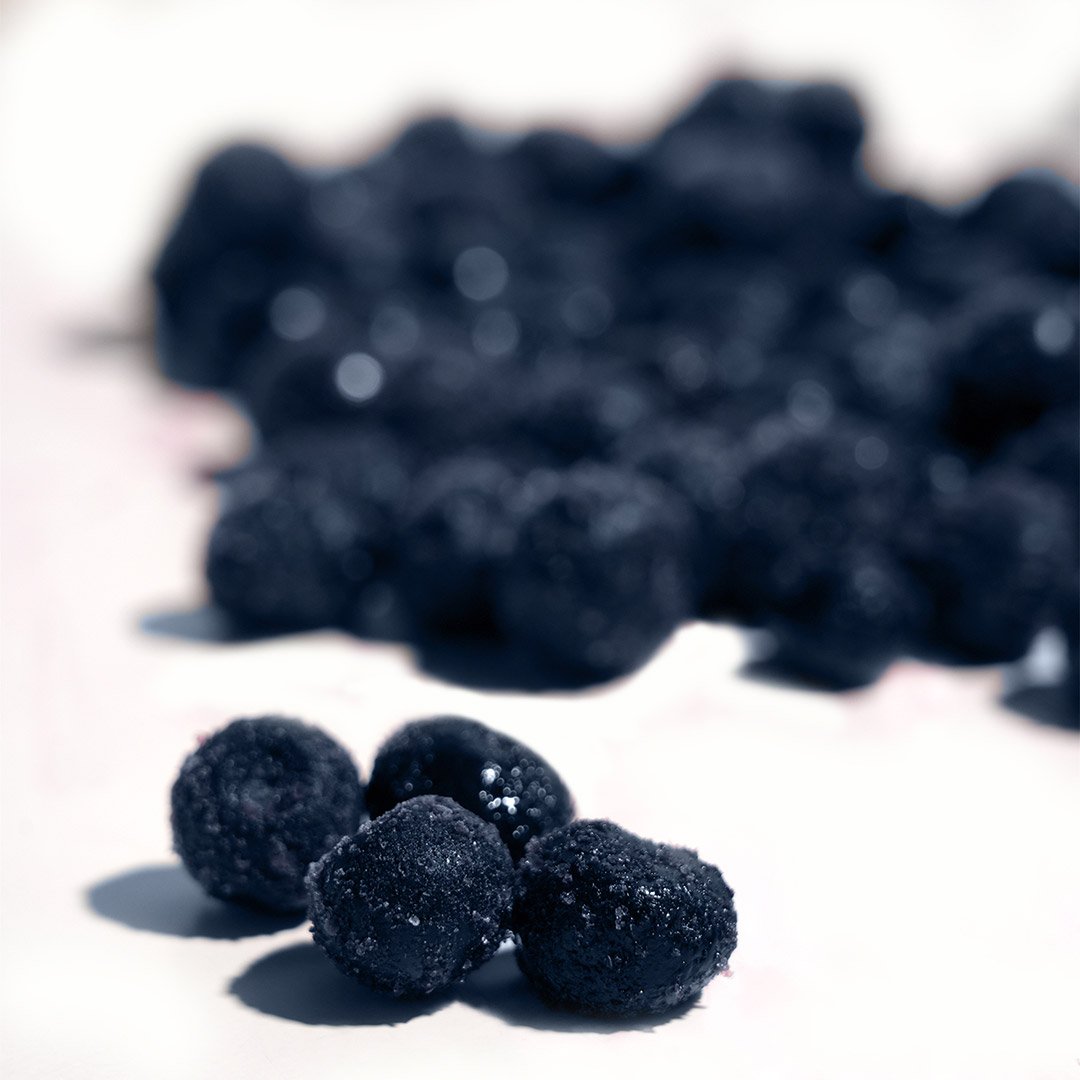

Frozen berries are gaining popularity among Indian health-conscious buyers who are looking for convenient, long-lasting, and nutrient-rich options. With modern freezing techniques and growing global demand, frozen blueberries, strawberries, cranberries, and raspberries are no longer just for export. More Indian homes are stocking them, but many still wonder: are frozen berries as nutritious as fresh ones?
How Are Berries Frozen and Stored?
The berries available in frozen form typically undergo a process known as Individual Quick Freezing (IQF). This locks in nutrients and prevents the formation of large ice crystals that damage the fruit’s texture.
Steps involved in freezing:
- Berries are picked at peak ripeness
- Washed and quickly frozen within hours
- Stored at temperatures below -18°C to preserve quality
Because they are frozen soon after harvest, they retain much of their vitamin content, especially vitamin C and antioxidants.
Do Frozen Berries Lose Nutrients?
There’s a common assumption that frozen fruits lose nutritional value. However, scientific studies show that the loss is minimal and mostly related to water-soluble vitamins like Vitamin C.
Nutrients That Stay Intact:
- Fibre
- Minerals like potassium and iron
- Antioxidants such as anthocyanins
Nutrients That May Slightly Reduce:
- Vitamin C (up to 20% loss)
- B-complex vitamins (minor decrease)
For most people, this difference is negligible, especially when considering how long “fresh” fruits travel before reaching Indian markets.
Comparing Common Frozen Berries and Their Benefits
Here’s a helpful comparison table for the most commonly consumed frozen berries available through brands like Agro Phonics:
| Berry Type | Nutrient Highlights | Best Use Cases |
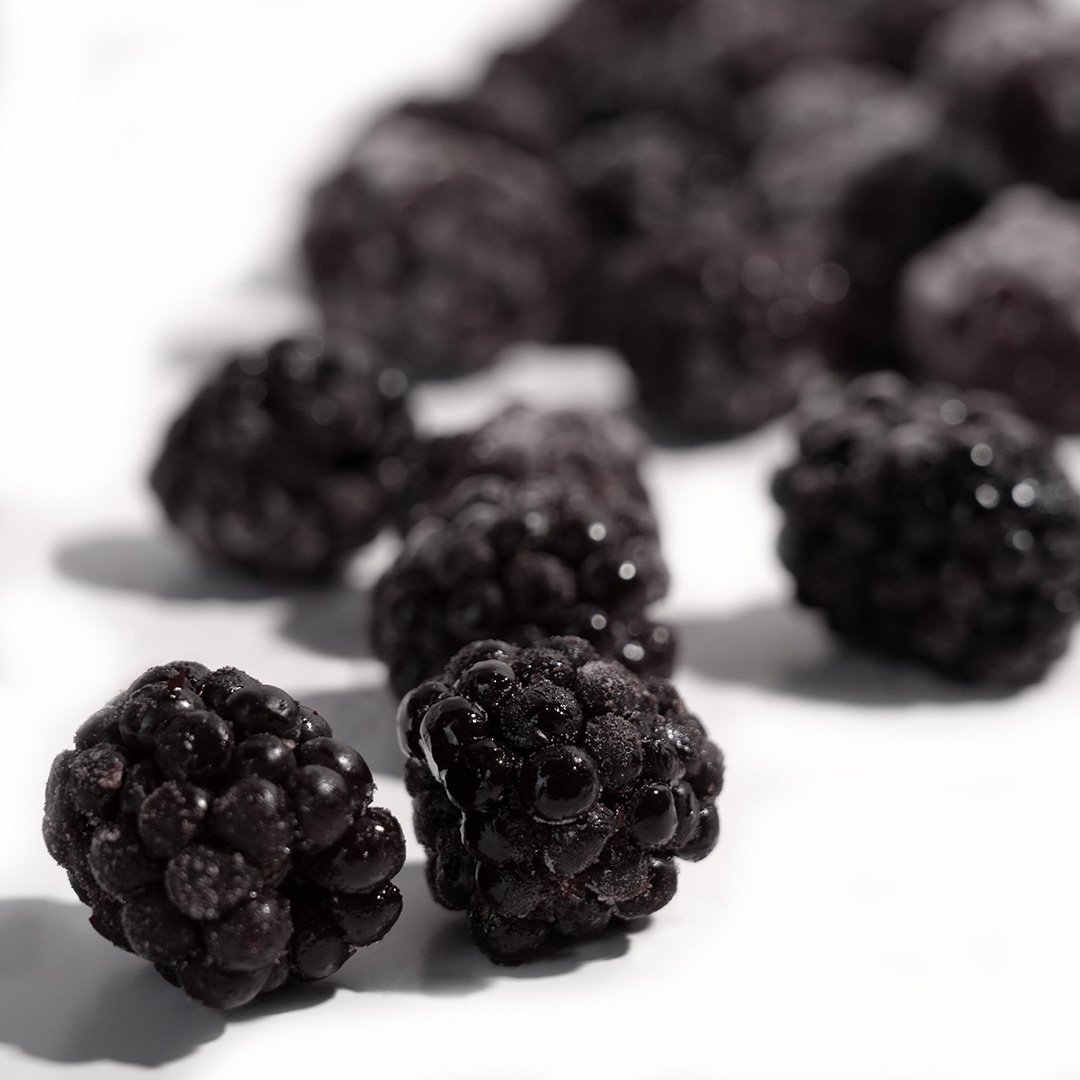
| Frozen Blueberries | High in anthocyanins, fibre, Vitamin K | Smoothies, salads, baking |
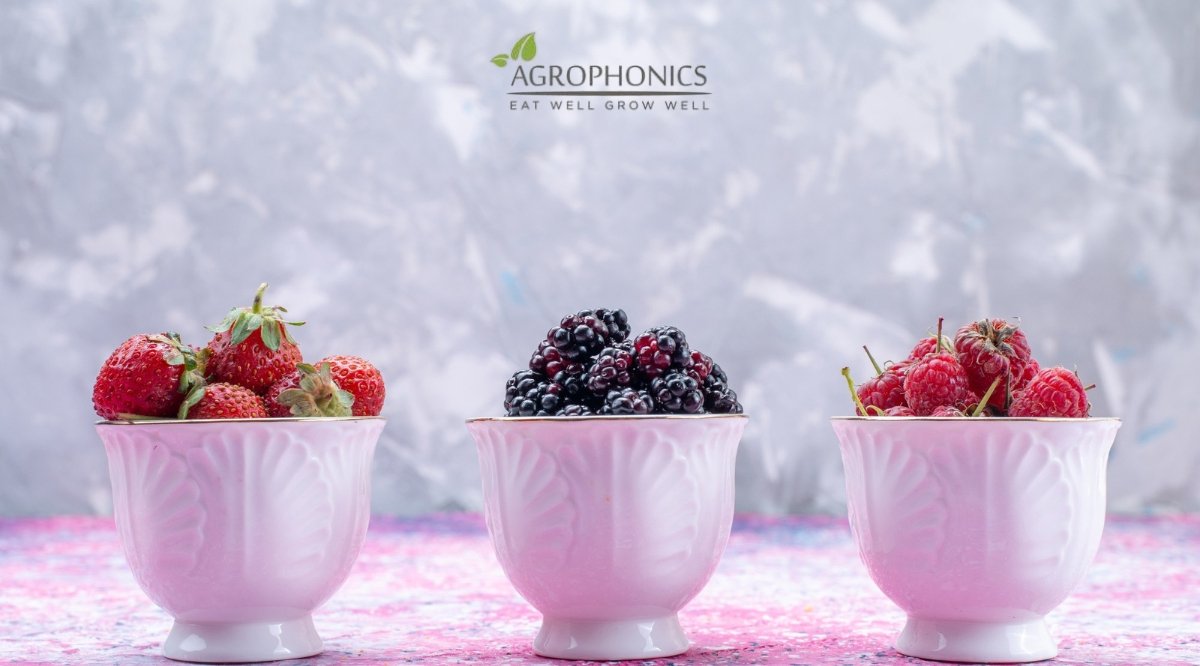
| Frozen Strawberries | Rich in Vitamin C, manganese, antioxidants | Desserts, smoothies, jams |
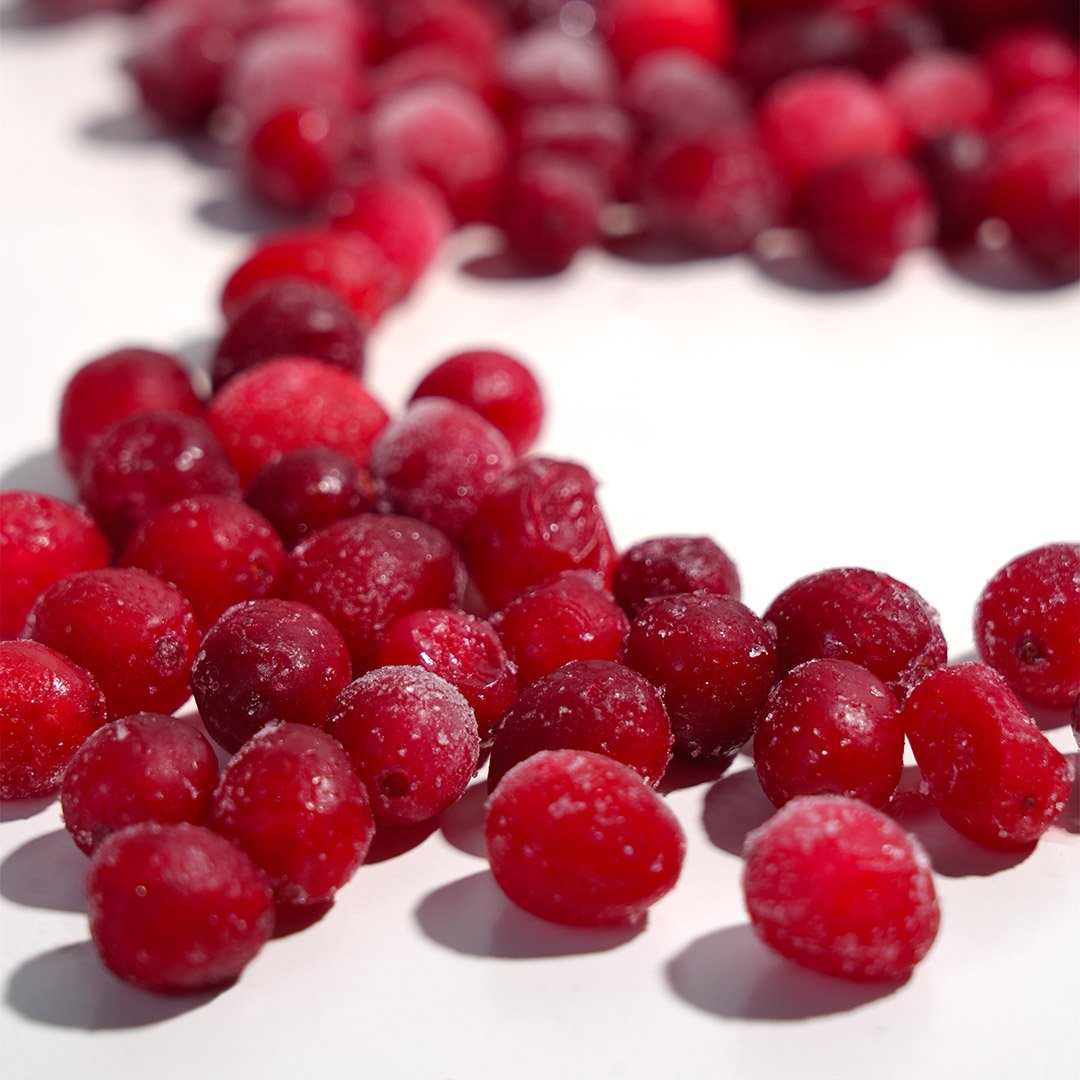
| Frozen Cranberries | Supports urinary health, high in Vitamin E | Juices, sauces, chutneys |
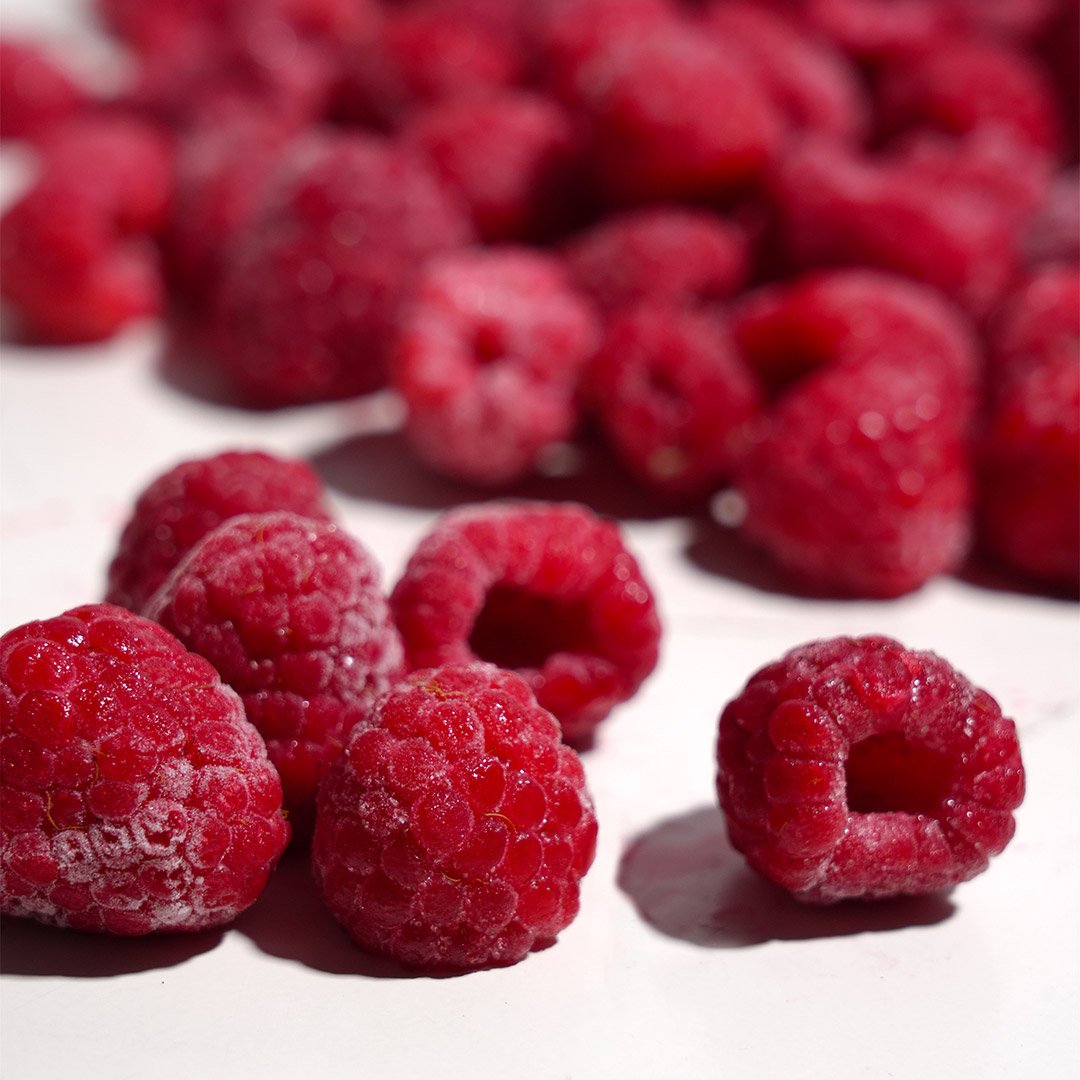
| Frozen Raspberries | Excellent source of dietary fibre and Vitamin C | Yoghurts, smoothies, baking mixes |
Each variety offers a unique nutrient profile, making it easier for buyers to match their health goals with specific frozen berries.
When Frozen Berries Are the Smarter Choice
Indian climates and supply chains often make it challenging to get farm-fresh berries, especially during off-season months. In such situations, frozen berries provide a practical alternative.
Why they make sense:
- Available year-round
- Lower spoilage rate
- Easy to store
- No added sugar or preservatives (if unsweetened)
Frozen fruits also reduce kitchen waste, as you can use only what you need and keep the rest in storage.
What to Check Before Buying Frozen Berries
Indian buyers often face confusion when selecting quality frozen berries, especially since packaging, sourcing, and storage standards can vary. Knowing what to look for ensures that you’re buying nutrient-rich, safe, and flavourful products.
1. Ingredient List
Always check the label. Look for:
- 100% berries only no added sugar, preservatives, or artificial flavours
- Avoid products that mention syrup, juice concentrate, or “sweetened”
2. Freezing Method
Prefer products with IQF (Individually Quick Frozen) mentioned. This method:
- Freezes each berry separately
- Maintains texture and shape
- Reduces nutrient loss
3. Packaging Quality
Look for:
- Vacuum-sealed or airtight packaging
- No signs of ice crystals or clumping (which indicates thawing and refreezing)
- Clear expiry and storage temperature information
4. Storage and Transport Conditions
Check if the supplier follows proper cold chain logistics. Trusted brands like Agro Phonics offer:
- Cold storage from harvest to delivery
- Tamper-proof packaging
- Transparent sourcing details
5. Berry Appearance
If the package is transparent or has a viewing window:
- Berries should appear whole and vibrant
- No excessive frost or discoloration
- Raspberries and strawberries should not appear mushy
Conclusion
Frozen berries offer Indian shoppers a convenient and practical way to enjoy nutritious fruits year-round. Whether it’s frozen blueberries packed with antioxidants, frozen strawberries full of vitamin C, or frozen cranberries that support urinary health, these options remain largely equal to their fresh counterparts in terms of health benefits.
Choosing frozen over fresh doesn’t mean compromising on nutrition. With trustworthy suppliers like Agro Phonics, Indian consumers can enjoy high-quality frozen fruits with peace of mind and a burst of berry goodness in every bite.
FAQ
1. Are frozen berries healthier than canned ones?
Yes. Frozen berries typically contain no added sugar or preservatives, unlike canned versions, which may include syrup or additives.
2. Is there any difference between frozen and fresh blueberries in terms of antioxidants?
The antioxidant content remains quite stable in frozen blueberries. In some cases, freezing may help preserve anthocyanins better than prolonged refrigeration.
3. Can I give frozen strawberries to kids?
Yes, as long as they are properly thawed or blended. They’re a nutritious addition to smoothies, milkshakes, or yoghurt bowls.
4. Are frozen cranberries good for urinary tract health?
Cranberries contain compounds that may support urinary tract health. Frozen cranberries retain these benefits when properly stored.
5. How long can I store frozen raspberries?
If kept at or below -18°C in a sealed container, frozen raspberries can last up to 12 months without losing major nutrients.
6. Do frozen berries need to be washed again?
If prewashed and frozen by trusted suppliers, washing is not required. Always check packaging for instructions.
7. Can I use frozen berries in Indian recipes?
Absolutely. Add them to chutneys, smoothies, or even fusion desserts like berry kheer and berry-infused laddoos.