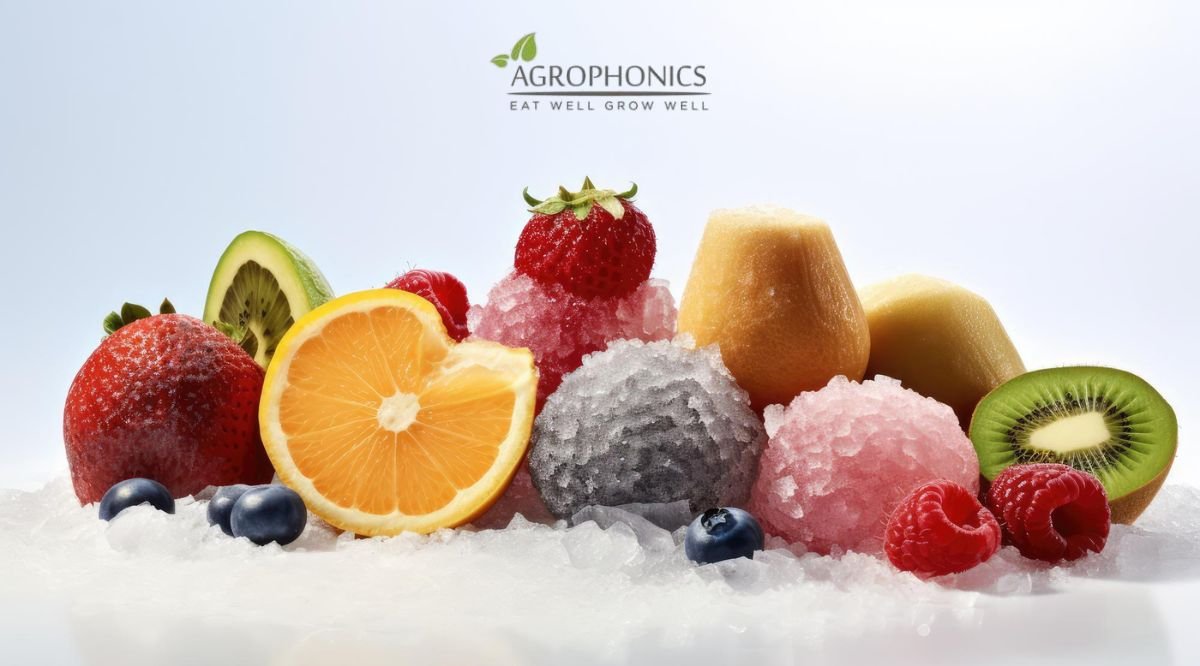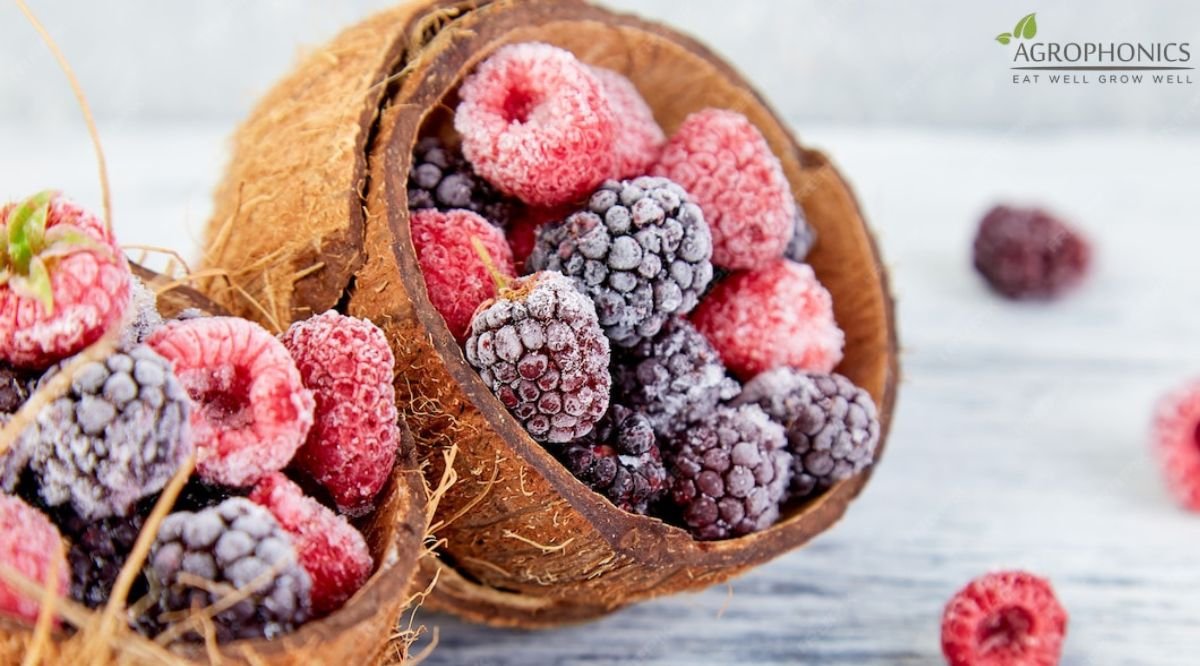
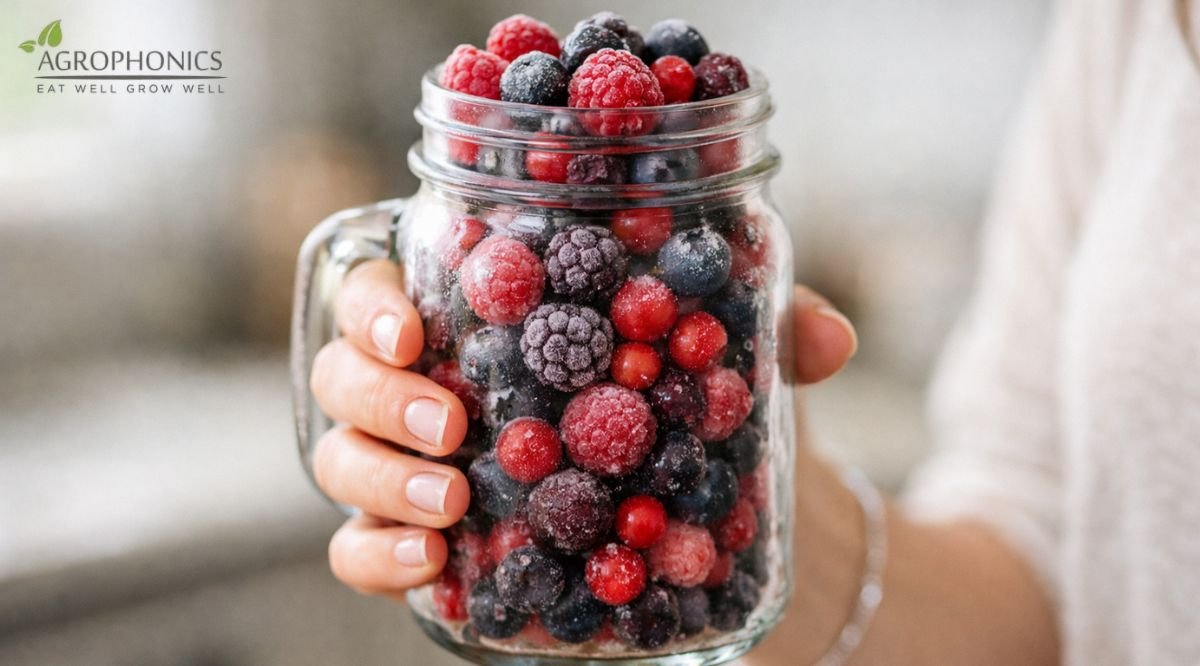
Frozen berries are one of the richest natural sources of antioxidants, powerful compounds that help protect the body from oxidative stress and cellular damage. Contrary to common belief, frozen berries often retain equal or even higher levels of antioxidants compared to fresh berries because they are frozen at peak ripeness.
At Agro Phonics, we understand the growing demand for high-quality frozen fruits that deliver both nutrition and consistency. Whether for households or food businesses, frozen berries offer year-round access to essential nutrients without compromising quality.
What Are Antioxidants?
Antioxidants are natural compounds that protect your body from unstable molecules called free radicals. These free radicals can cause oxidative stress, which contributes to aging and chronic diseases such as heart disease and diabetes.
In simple terms, antioxidants act as the body’s defense system. They:
- Protect cells from damage
- Reduce inflammation
- Support immune function
- Promote overall long-term health
Berries are considered “superfoods” largely because of their exceptionally high antioxidant content.
Are Frozen Berries Rich in Antioxidants?
Yes, frozen berries are extremely rich in antioxidants. In many cases, they retain more nutrients than fresh berries sold in stores.
The reason is timing. Fresh berries are often harvested before full ripeness to survive transport. During shipping and storage, nutrient degradation begins. Frozen berries, however, are typically harvested at peak ripeness and quickly preserved using IQF (Individually Quick Frozen) technology.
Why Freezing Preserves Nutrients
The IQF process rapidly freezes berries within hours of harvesting. This quick freezing:
- Locks in anthocyanins and polyphenols
- Slows enzymatic degradation
- Prevents oxidation
- Maintains texture and flavor
As a result, antioxidant levels remain stable for extended periods when stored properly.
At Agro Phonics, strict cold-chain management ensures that frozen berries maintain their nutritional integrity from farm to delivery.
Key Antioxidants Found in Frozen Berries
Different berries contain different types of antioxidants. Below is a simplified overview:
| Antioxidant | Common Berry Sources | Health Benefit |
| Anthocyanins | Blueberries, Blackberries | Heart & brain health |
| Vitamin C | Strawberries, Raspberries | Immunity & skin support |
| Resveratrol | Blueberries | Anti-aging support |
| Quercetin | Cranberries | Anti-inflammatory effects |
| Polyphenols | Mixed berries | Cellular protection |
Anthocyanins
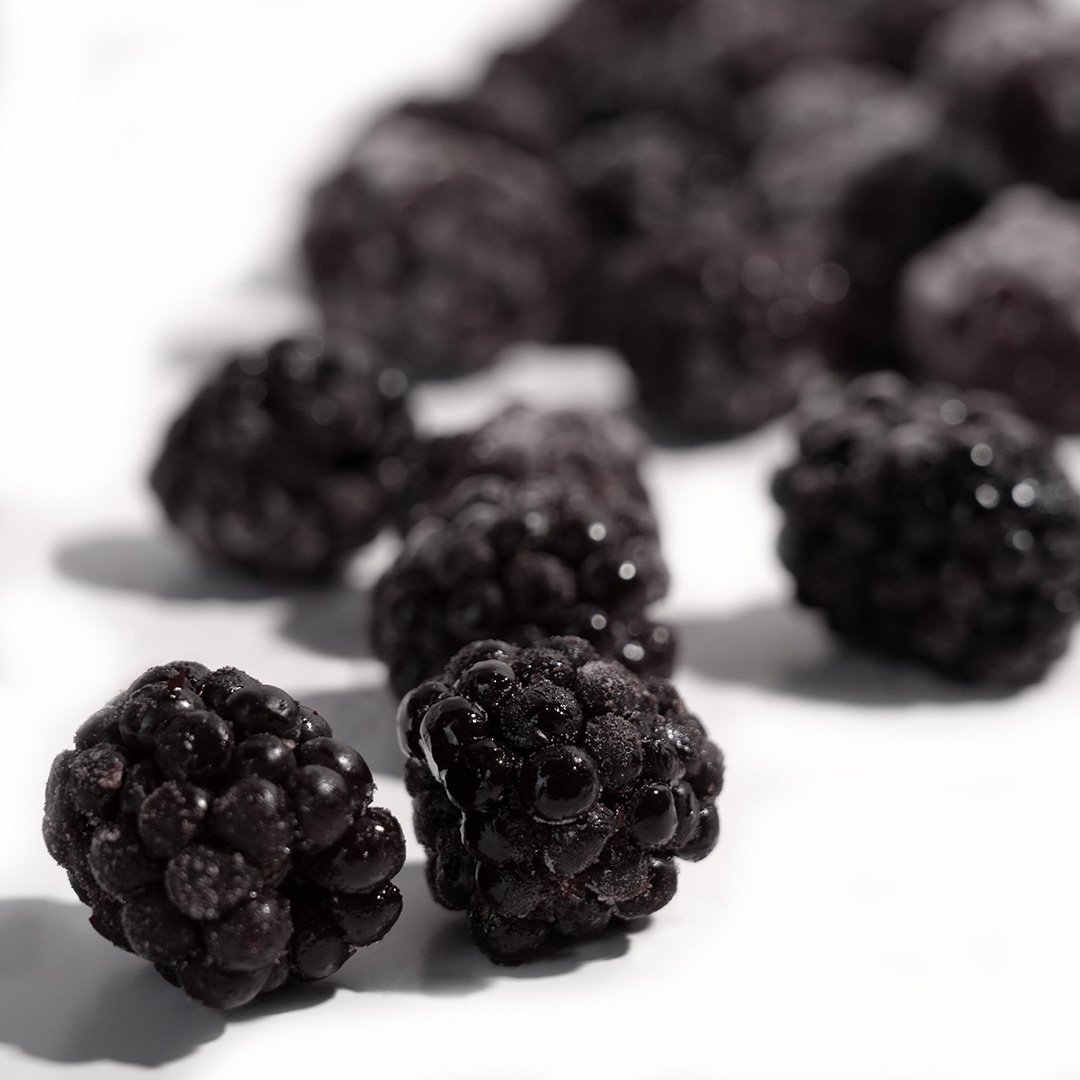
Anthocyanins are the pigments responsible for the deep red, purple, and blue color in berries. These compounds support cardiovascular health and cognitive function.
Vitamin C
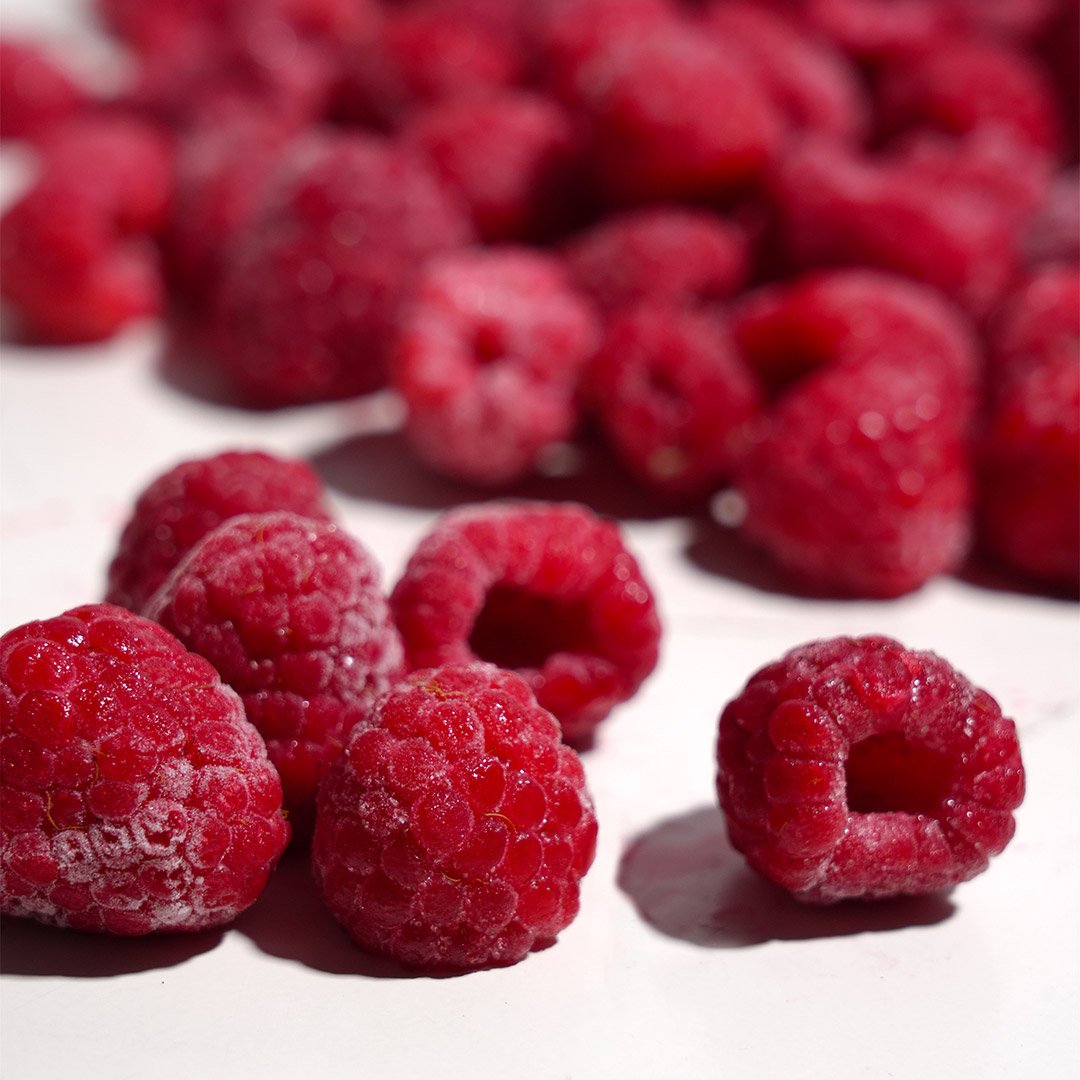
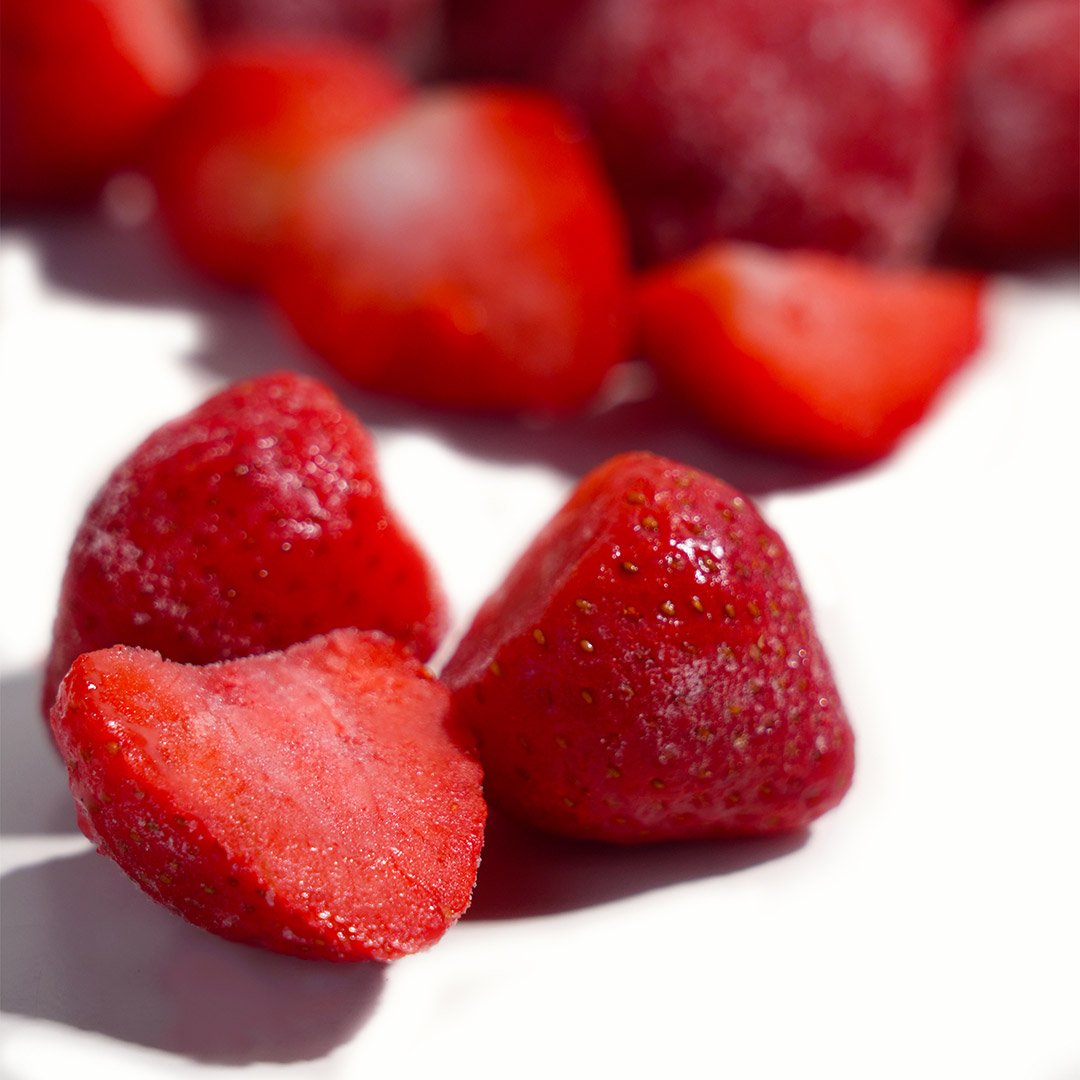
Frozen strawberries and raspberries remain excellent sources of Vitamin C, which supports collagen production and immune health.
Polyphenols & Flavonoids
These plant-based compounds help reduce inflammation and protect against oxidative damage. Frozen berries remain one of the most accessible dietary sources.
Frozen vs Fresh Berries: Which Has More Antioxidants?
This is one of the most searched questions online. The answer depends on storage time and handling.
Here’s a clear comparison:
| Factor | Fresh Berries | Frozen Berries |
| Harvest Timing | Often before peak ripeness | At peak ripeness |
| Nutrient Loss During Transport | High | Minimal |
| Shelf Life | 3–7 days | 8–12 months |
| Antioxidant Stability | Declines over time | Remains stable |
| Seasonal Availability | Limited | Year-round |
Fresh berries can lose significant antioxidant content within days of harvest due to exposure to light, air, and temperature changes. Frozen berries, when properly stored, maintain stable nutrient levels for months.
For consumers and businesses alike, frozen berries offer reliability without sacrificing health benefits.
Health Benefits of Antioxidants in Frozen Berries
Regular consumption of antioxidant-rich berries contributes to multiple aspects of health.
1. Supports Heart Health
Anthocyanins and flavonoids help reduce inflammation and improve blood vessel function. Studies suggest berry consumption may help lower blood pressure and LDL cholesterol levels.
2. Boosts Immune Function
Vitamin C and polyphenols strengthen immune response and help the body combat infections.
3. Improves Brain Function
Research indicates that berry antioxidants may support memory retention and cognitive performance by reducing oxidative stress in brain cells.
4. Promotes Healthy Skin
Antioxidants protect against environmental damage and support collagen production, contributing to healthier-looking skin.
5. Helps Manage Blood Sugar
Certain berry compounds may slow glucose absorption and improve insulin sensitivity, making them beneficial for metabolic health.
Because frozen berries are available year-round, they allow consistent intake of these protective compounds.
Why Frozen Berries Are Ideal for Food Businesses
Beyond individual health benefits, frozen berries are increasingly essential for the food industry.
At Agro Phonics, we supply premium-grade frozen berries tailored for:
- Smoothie manufacturers
- Dairy and yogurt producers
- Bakery brands
- Ice cream manufacturers
- Nutraceutical companies
Advantages for Bulk Buyers
Frozen berries offer several operational benefits:
- Longer shelf life reduces waste
- Consistent quality and size
- Predictable pricing
- Year-round availability
- Easy storage and transportation
For export markets and large-scale production, maintaining consistent antioxidant quality is crucial. IQF processing ensures each berry remains individually frozen, preventing clumping and preserving structural integrity.
How to Use Frozen Berries Without Losing Nutrients
To maintain antioxidant value, proper handling matters.
Avoid prolonged exposure to room temperature. Instead:
- Add directly to smoothies without thawing
- Thaw in the refrigerator instead of hot water
- Avoid overcooking at high temperatures
- Use in baking where minimal heat exposure occurs
Minimal processing helps retain anthocyanins and Vitamin C levels.
Nutritional Snapshot of Common Frozen Berries
Below is a general nutritional comparison per 100g (values approximate):
| Berry Type | Calories | Vitamin C | Fiber | Antioxidant Level |
| Frozen Blueberries | 57 kcal | Moderate | High | Very High |
| Frozen Strawberries | 32 kcal | High | Moderate | High |
| Frozen Raspberries | 52 kcal | Moderate | Very High | Very High |
| Frozen Blackberries | 43 kcal | Moderate | High | Very High |
These berries are low in calories yet dense in nutrients, making them ideal for health-conscious consumers.
Are Frozen Berries Good for Weight Management?
Yes. Frozen berries are naturally low in calories and high in fiber. Fiber promotes satiety, which helps control appetite. Additionally, their natural sweetness can reduce cravings for processed sugars.
Because frozen berries contain no added preservatives when processed properly, they remain a clean-label ingredient suitable for modern diets.
Sustainability & Reduced Food Waste
Another important advantage of frozen berries is sustainability.
Fresh berries have a short shelf life and contribute significantly to food waste. Freezing extends usability for months, reducing spoilage across supply chains.
At Agro Phonics, efficient processing and storage methods ensure minimal product loss while maintaining premium quality standards.
The Growing Demand for Antioxidant-Rich Frozen Fruits
Consumer awareness around immune health, anti-aging nutrition, and functional foods continues to grow. As a result, demand for antioxidant-rich frozen berries has increased significantly in retail and industrial sectors.
Food brands increasingly prefer frozen berries due to:
- Clean-label positioning
- Consistent flavor profile
- Measurable nutritional value
- Reliable year-round sourcing
Agro Phonics is positioned to meet this demand by supplying high-quality frozen berries that retain their natural antioxidant strength.
Final Thoughts
Antioxidants in frozen berries play a crucial role in supporting heart health, immunity, brain function, and overall well-being. Thanks to modern IQF technology, frozen berries preserve their nutrient density and antioxidant content effectively.
For consumers, they offer convenience and health benefits. For businesses, they provide reliability, scalability, and long shelf life.
As awareness of functional foods continues to rise, frozen berries remain one of the most powerful and accessible antioxidant-rich ingredients available today.
At Agro Phonics, we are committed to delivering premium frozen berries that combine nutrition, quality, and consistency helping both individuals and food businesses benefit from the natural power of antioxidants.
Frequently Asked Questions
Q1. Are frozen berries as healthy as fresh berries?
Answer: Yes. Frozen berries are often just as healthy, and sometimes more nutritious, because they are frozen immediately after harvest, preserving antioxidant levels.
Q2. Do frozen blueberries contain antioxidants?
Answer: Absolutely. Frozen blueberries are rich in anthocyanins, one of the most powerful antioxidant groups linked to heart and brain health.
Q3. Can freezing destroy nutrients?
Answer: Minimal nutrient loss may occur, but the rapid freezing process preserves most antioxidants and vitamins far better than long-term refrigeration of fresh berries.
Q4. How long do frozen berries retain antioxidants?
Answer: When stored properly at consistent freezing temperatures, antioxidant levels remain stable for 8-12 months.