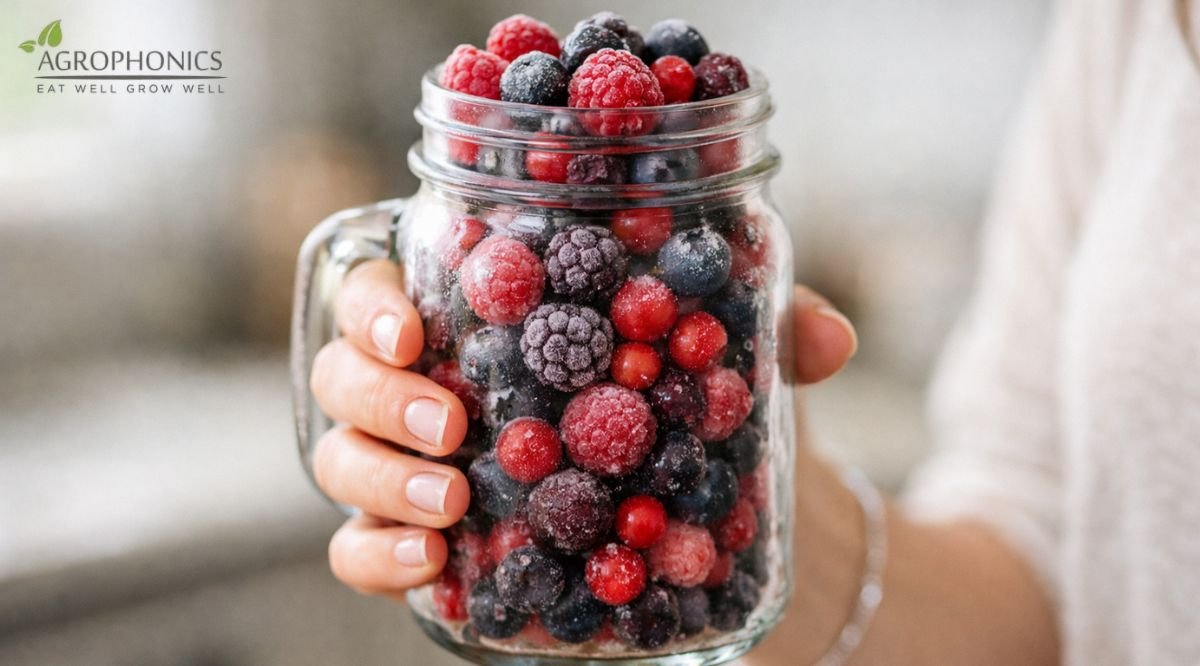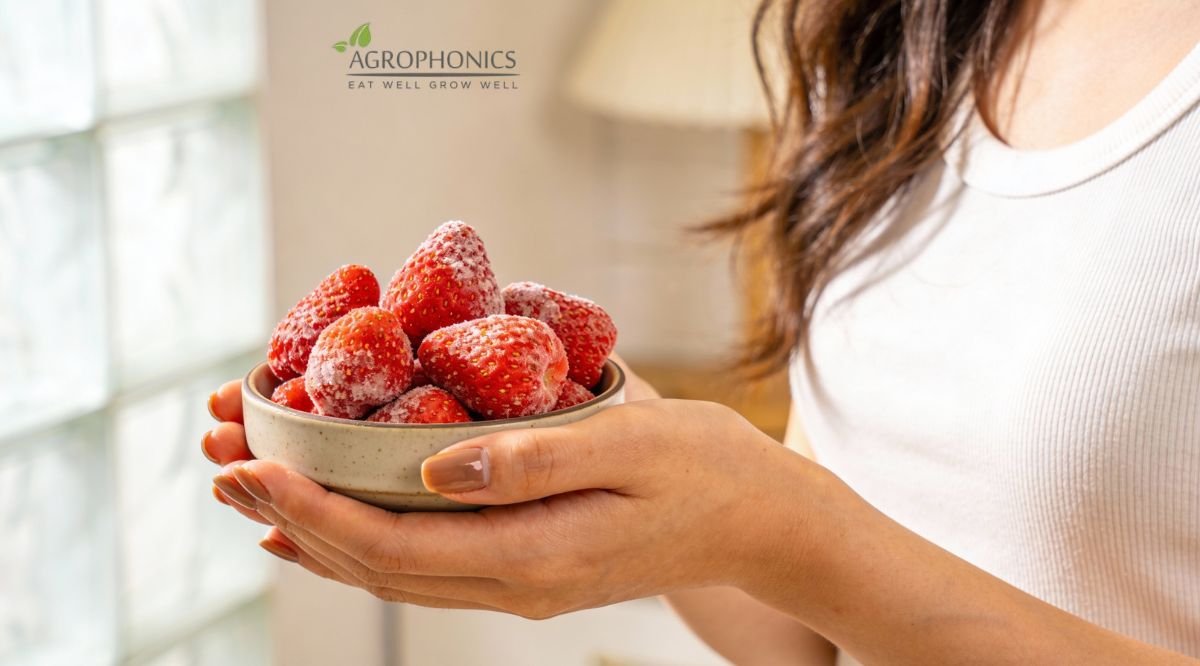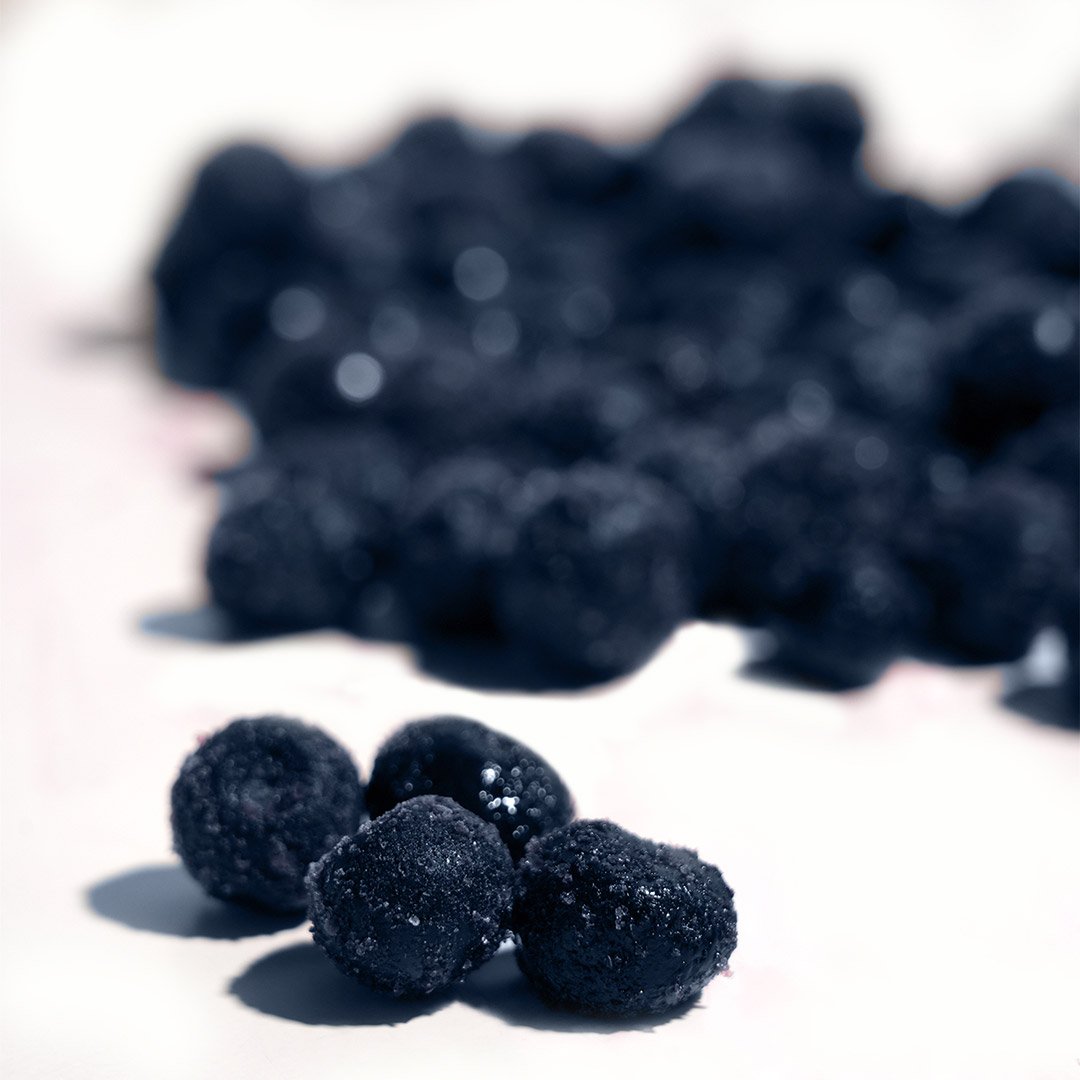
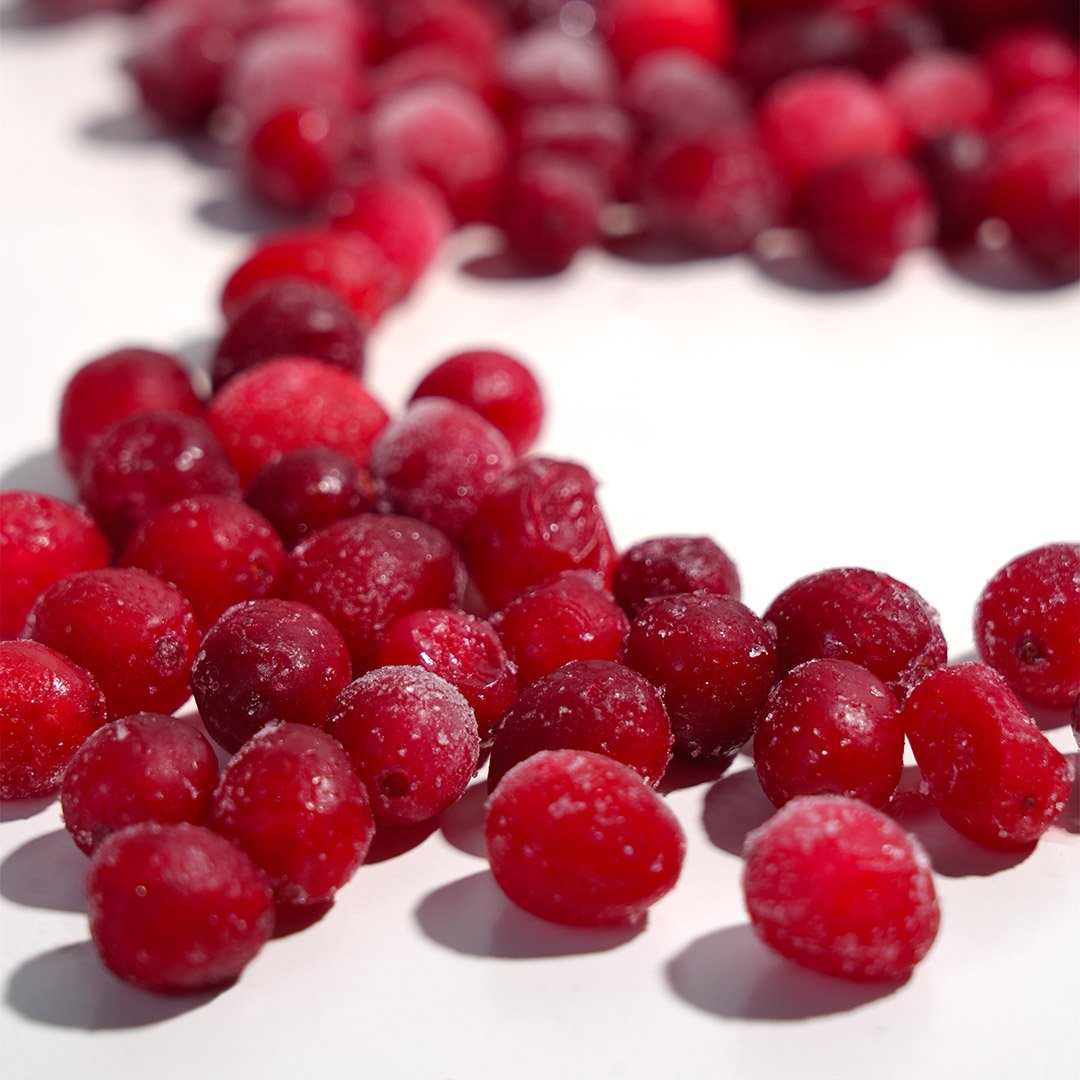
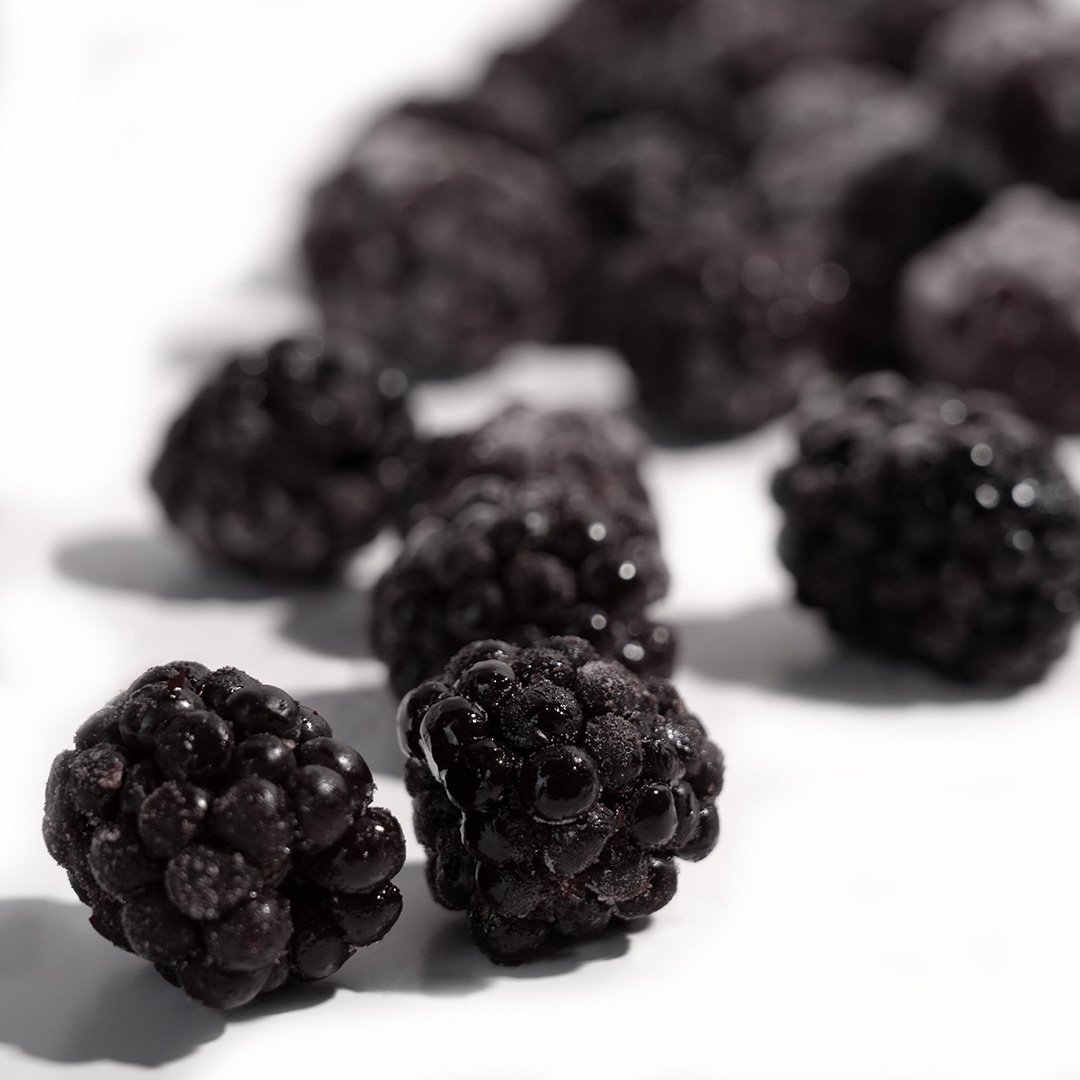
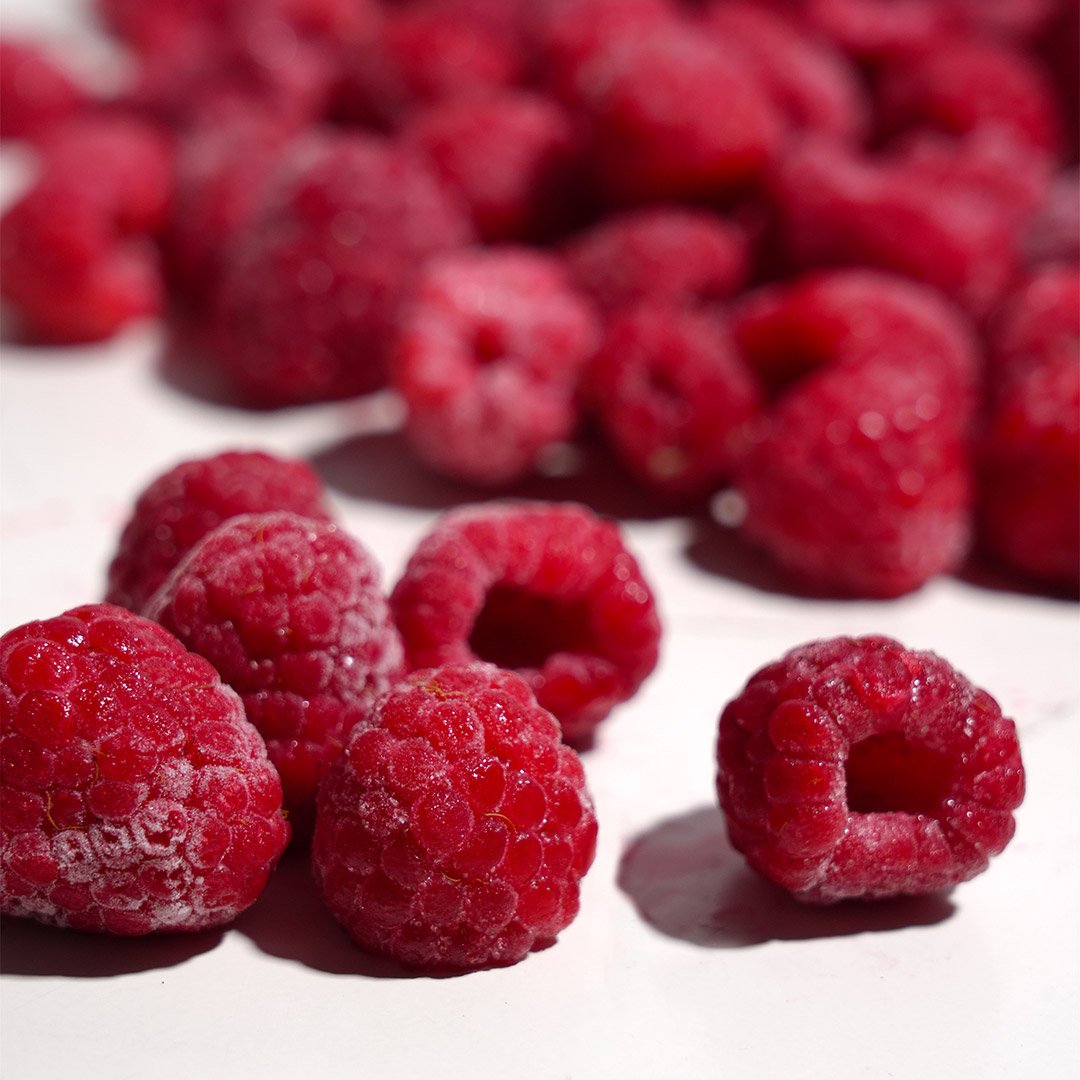


Frozen Fruits are becoming the go-to choice for people who are looking for smarter ways to maintain a healthy diet without spending hours in the kitchen. Between long work hours and family commitments, finding time to shop for fresh produce every few days feels impossible. This is where Frozen Fruits offer a practical solution. Many health professionals now suggest stocking your freezer with these nutrient-dense options because they combine convenience with high nutritional value.
Contrary to common myths, freezing fruit does not destroy its health benefits. In fact, growers pick the fruit at peak ripeness and freeze it immediately. This process locks in vitamins and minerals that fresh produce often loses during long transport times. Whether you make smoothies for breakfast or need a quick snack, these fruits provide a consistent source of nutrition year-round.
The Nutritional Advantage of Freezing at Source
Fresh fruit often travels long distances before it reaches your local market. During this time, heat and light exposure degrade sensitive nutrients like Vitamin C and folate. By the time you buy it, the nutritional value might be lower than you expect.
Growers freeze fruit within hours of harvesting. This rapid freezing technique preserves cellular structure and nutrient content. Studies show that frozen options often contain higher levels of antioxidants compared to fresh varieties that sit on supermarket shelves for days.
Consistency in Taste and Quality
Seasonality limits availability for many popular fruits in India. You might crave strawberries in July or mangoes in December, but finding fresh ones is difficult or expensive. Frozen options solve this problem. You get the same sweet taste and texture regardless of the month. This consistency helps you stick to a healthy diet because your favorite ingredients are always available.
Convenience That Fits Busy Schedules
Modern life demands efficiency. Washing, peeling, and chopping fresh fruit takes time. Frozen fruits come pre-washed, cut, and ready to use. This preparation saves you valuable minutes in the morning rush. You simply open the bag and pour what you need directly into your blender or bowl.
Reducing food waste is another major benefit. Fresh produce spoils quickly in India’s humid climate. You likely throw away brown bananas or moldy berries often. With frozen options, you use only the amount you need and return the rest to the freezer. This habit saves money and ensures you always have healthy food on hand.
How to Choose the Best Frozen Fruit Options
Not all frozen products offer the same quality. You must read labels carefully to ensure you get pure fruit without added sugars or preservatives.
What to Look For:
- Ingredients List: It should list only the fruit. Avoid packs with syrup or added sugar.
- Packaging Quality: Ensure the bag is sealed tight with no ice crystals, which indicate thawing and refreezing.
- Certification: Look for food safety certifications relevant to Indian standards.
Finding reliable sources is easier now than ever. You can search for frozen fruits online to compare prices and brands from the comfort of your home. Many reputable frozen fruit distributors supply directly to consumers, ensuring the cold chain remains intact until the package reaches your door.
Comparing Fresh vs Frozen: A Quick Guide
Here is a simple breakdown to help you understand the practical differences.
| Feature | Fresh Fruit (Store-Bought) | Frozen Fruit |
|---|---|---|
| Harvest Time | Often picked before ripe | Picked at peak ripeness |
| Nutrient Retention | Loses nutrients over time | Nutrients locked in immediately |
| Shelf Life | 3 to 7 days | 8 to 12 months |
| Preparation | Requires washing/chopping | Ready to use |
| Availability | Seasonal | Year-round |
Integrating Frozen Produce into Indian Diets
You can use frozen produce in diverse ways beyond just smoothies. They work exceptionally well in traditional and modern Indian recipes.
Breakfast Ideas:
- Top your oats or daliya with frozen berries.
- Blend frozen mango pulp into yogurt for a quick lassi.
Desserts and Snacks:
- Use frozen chunks to make natural sorbets.
- Bake them into muffins or cakes for added moisture and flavor.
Savory Dishes:
- Add frozen pineapple to curries for a sweet and sour twist.
- Use frozen pomegranate arils in salads or raita.
Finding Quality Suppliers
Access to high-quality produce depends on choosing the right supplier. Many companies now offer specialized frozen fruit delivery services across major Indian cities. These services use insulated packaging to keep the product frozen during transit.
When you look for suppliers, check their delivery areas and storage policies. Reliable frozen fruit distributors prioritize maintaining temperature control. This attention to detail prevents spoilage and guarantees you receive a premium product. Ordering frozen fruits online allows you to read customer reviews and verify the quality before you buy.
Addressing Common Concerns
Some people worry that freezing changes the texture of fruit. While the texture changes slightly upon thawing, it remains perfect for cooking, baking, or blending. If you want to eat it raw, semi-thawing it for 15 to 20 minutes gives the best result.
Another concern involves preservatives. High-quality frozen produce relies solely on temperature to preserve freshness. You do not need chemicals if the freezing process is correct. Always check the packet to confirm it contains 100% fruit.
Economic Benefits for Households
Switching to frozen options can lower your monthly grocery bill. While the upfront cost of a bag might seem higher than a single piece of fresh fruit, the cost per serving is often lower because there is zero waste. You eat every gram you pay for. Plus, you can buy in bulk when you see a good deal on frozen fruits online and store it for months.
Conclusion
Nutritionists recommend frozen fruits because they offer a practical, nutritious, and economical solution for modern lifestyles. They bridge the gap between the desire for healthy eating and the reality of busy schedules. By locking in nutrients at harvest and offering year-round availability, these products ensure you never have to compromise on your health goals. Whether you order frozen fruit delivery for your home or business, integrating these versatile ingredients into your daily routine is a smart move for better long-term health.
Frequently Asked Questions
Q1: Do frozen fruits have the same nutrients as fresh ones?
Yes, often they contain more nutrients. Growers freeze them at peak ripeness, preserving vitamins that fresh fruit loses during transport and storage.
Q2: Can I use frozen fruit for things other than smoothies?
Absolutely. You can use them in baking, oatmeal, yogurt, sauces, and even savory dishes like salads or curries.
Q3: How long can I keep frozen fruit in my freezer?
Most frozen fruit maintains high quality for 8 to 12 months if kept constantly frozen. Check the expiration date on the package for specific guidance.
Q4: Is it safe to buy frozen fruits online in India?
Yes, provided you choose reputable sellers. Look for specialized frozen fruit distributors who use proper cold-chain logistics to ensure the product arrives frozen.
Q5: Should I wash frozen fruit before using it?
Generally, no. Most commercial frozen produce comes pre-washed and ready to eat. However, always read the package instructions to be sure.
Q6: Does freezing fruit add sugar?
Plain frozen fruit contains only natural fruit sugar. However, some brands add syrup or sugar, so you must check the ingredient list to ensure it says 100% fruit.
Q7: How do I thaw frozen fruit correctly?
For eating raw, place the fruit in the refrigerator for a few hours or leave it on the counter for 15 to 20 minutes. For cooking or blending, you can often use it directly from the freezer.