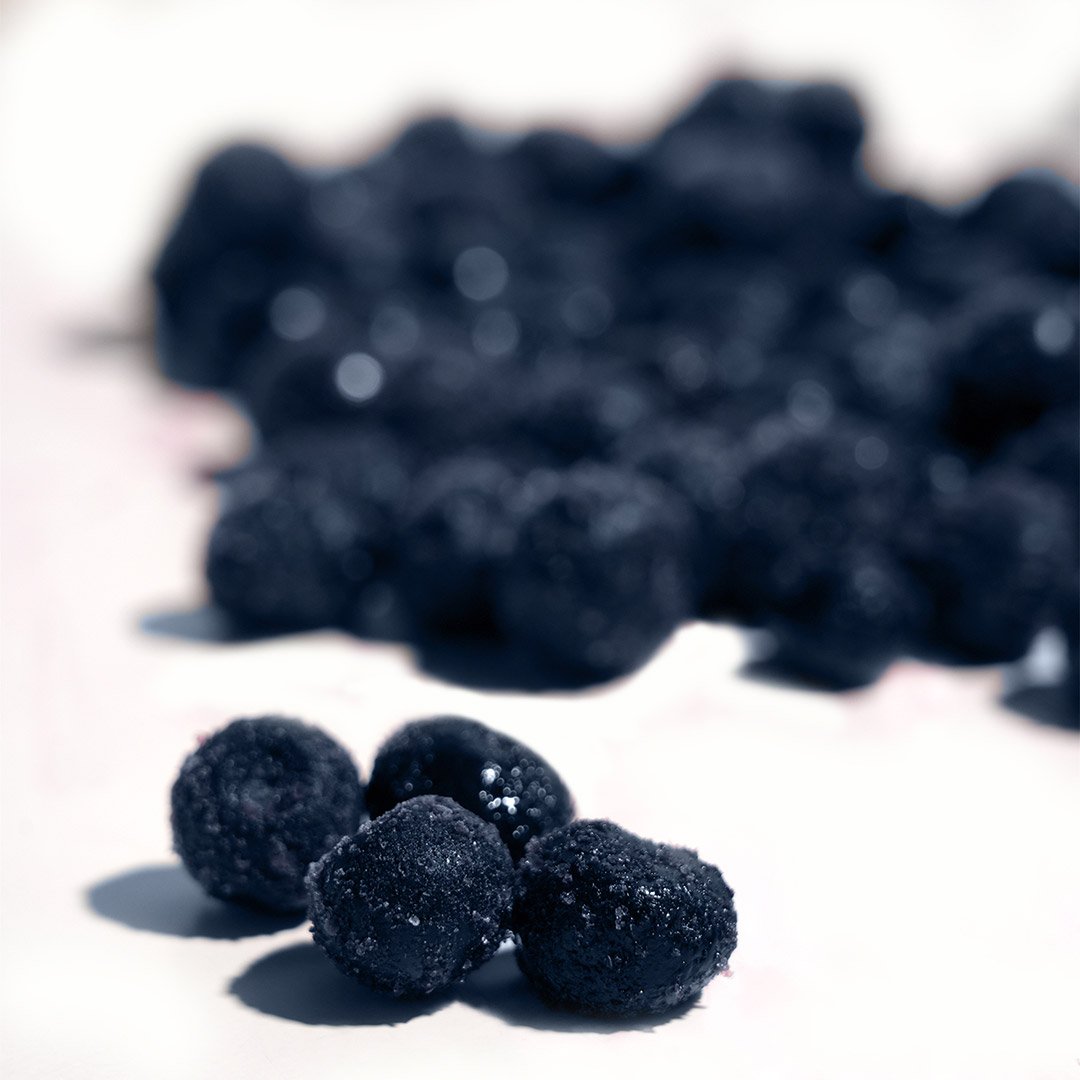
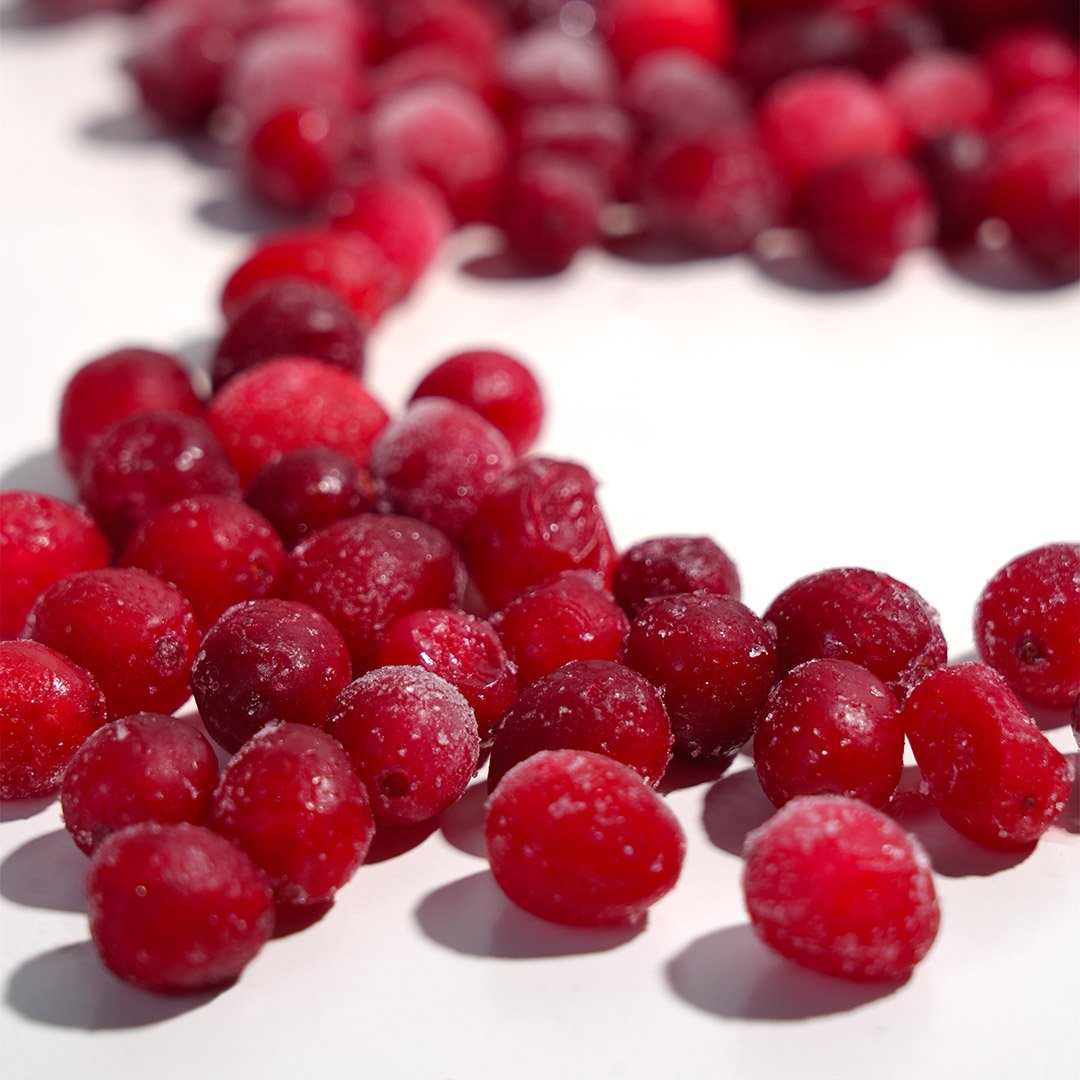
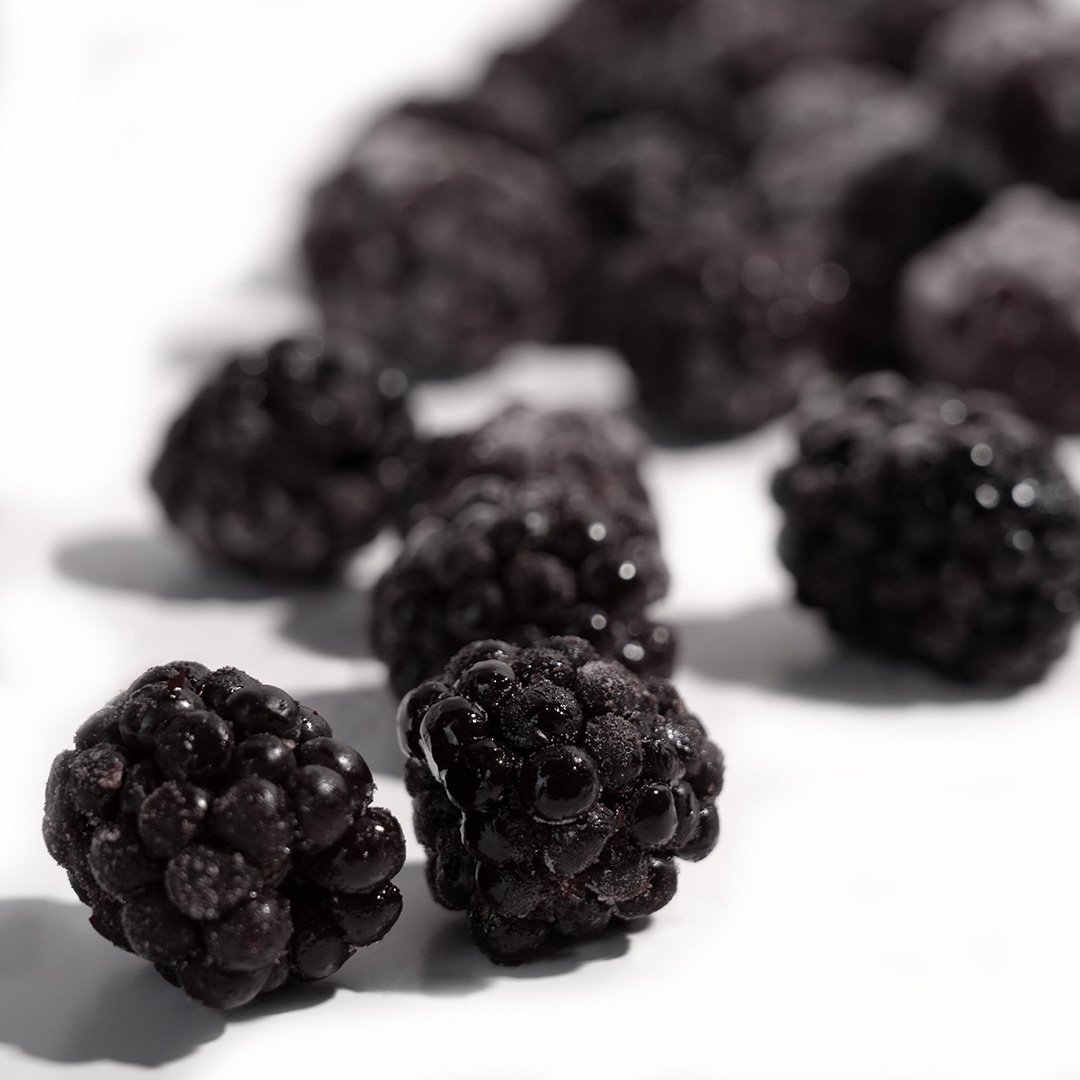
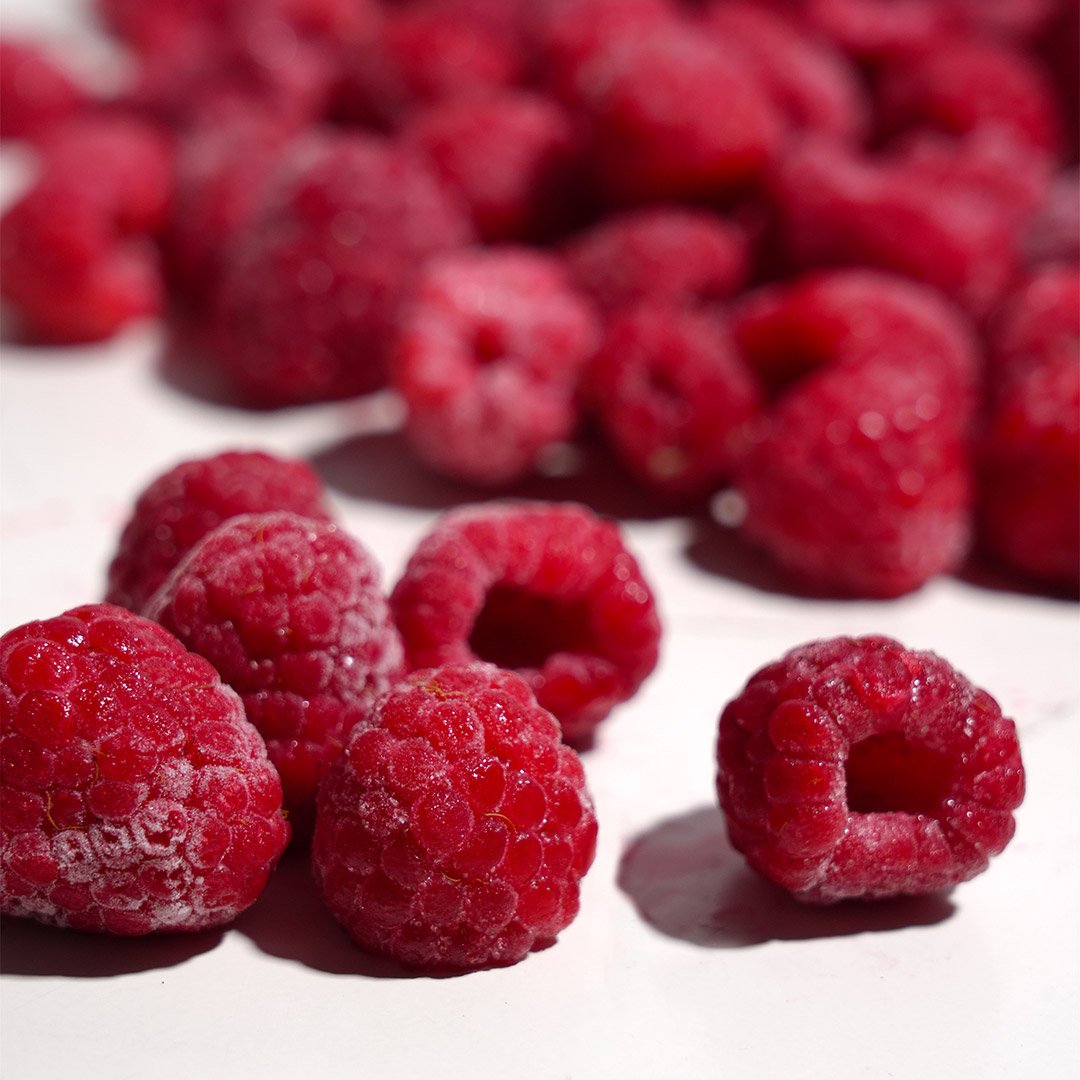
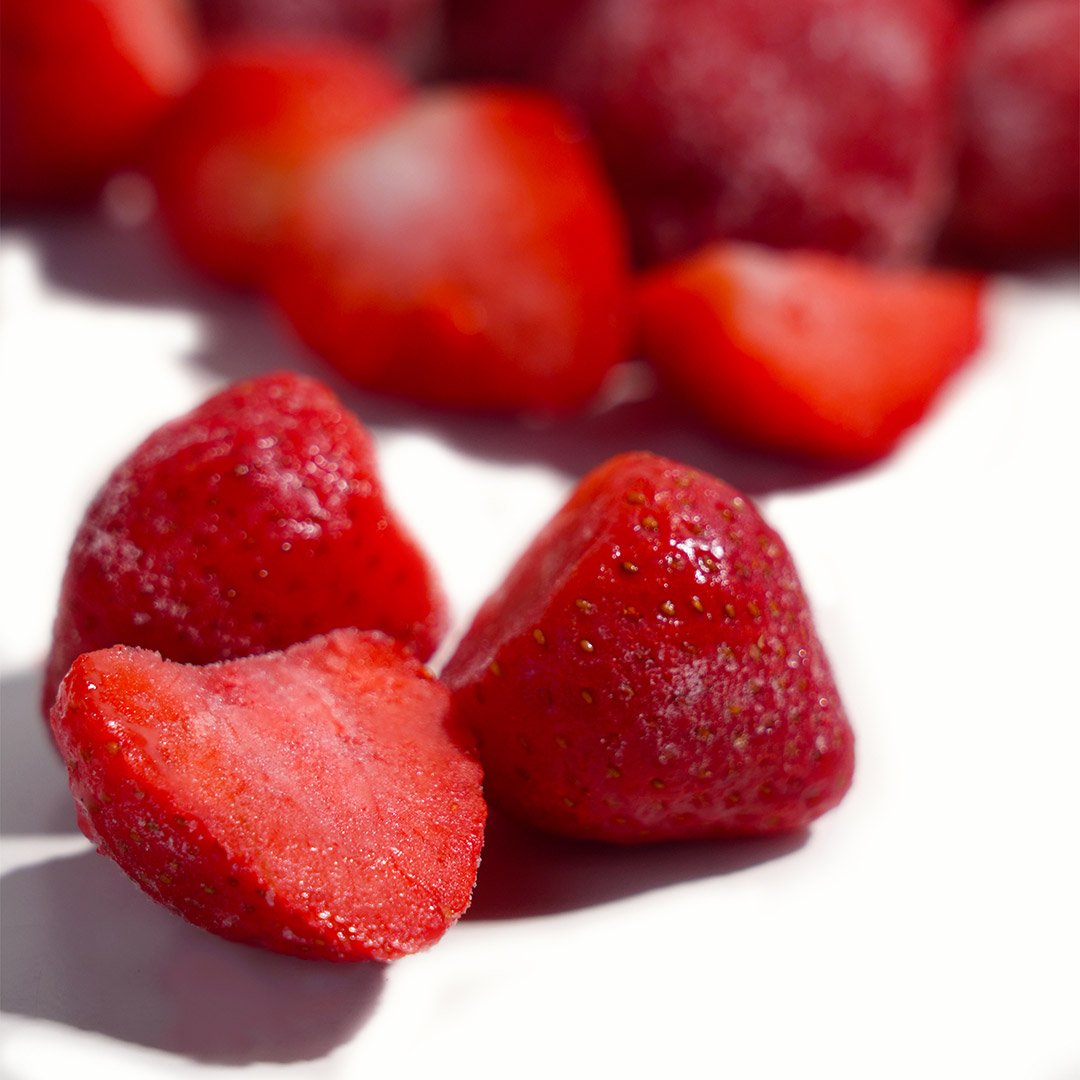
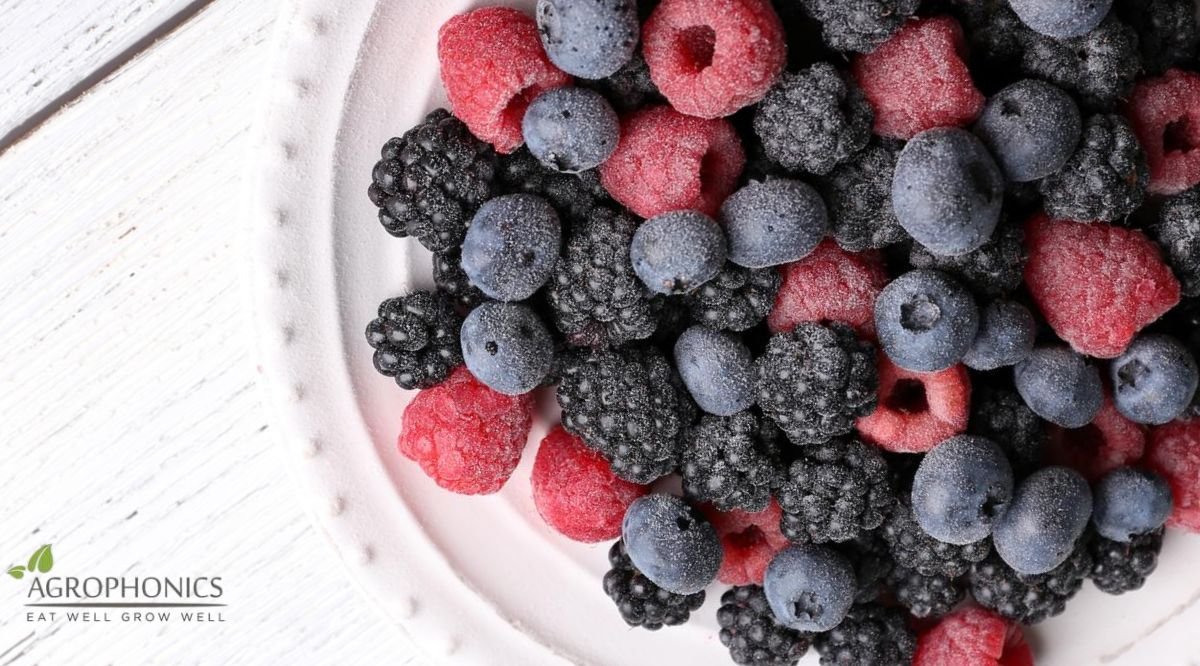
Frozen berries have become a regular part of modern kitchens. They are easy to store, available throughout the year, and simple to use in everyday meals. Still, many people wonder how frozen berries can last for months without losing taste, texture, or nutritional value. Since berries are naturally delicate, their long shelf life may seem surprising at first.
The explanation lies in food science. Freezing slows down the natural processes that cause fruits to spoil. When done correctly, it preserves berries close to their original condition. This article explains how frozen berries last so long and why their quality remains stable over time.
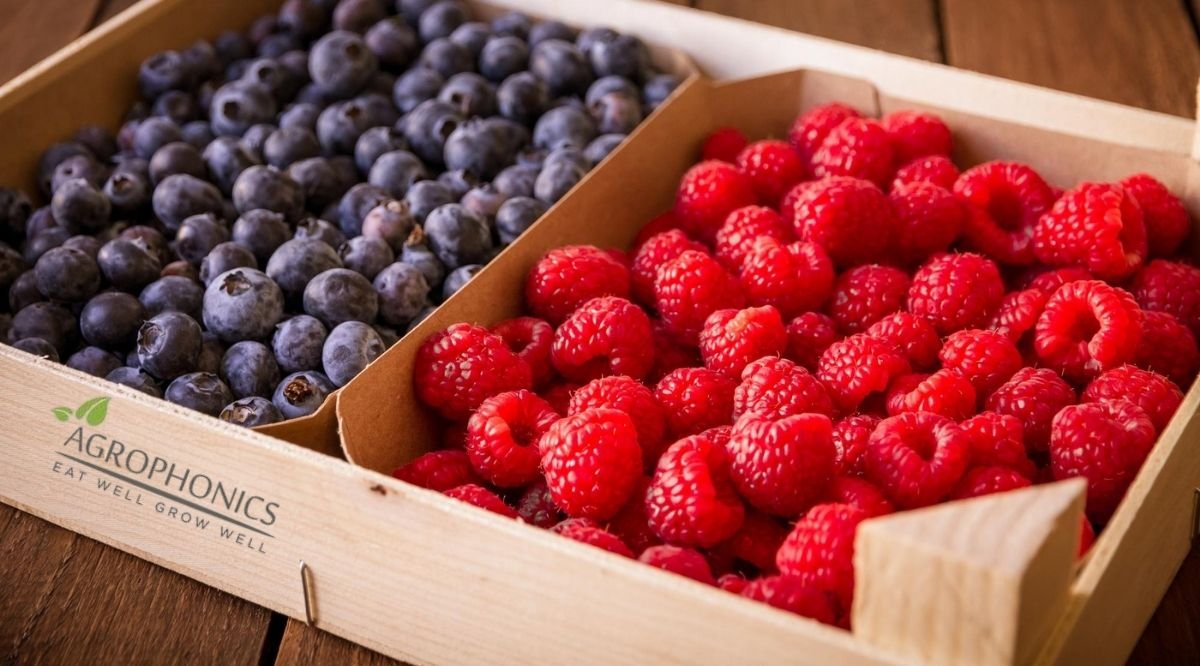
Why Do Fresh Berries Spoil So Quickly?
Fresh berries are among the most perishable fruits. Their natural structure makes them highly sensitive to environmental conditions.
Fresh berries spoil quickly because:
• They have very thin skins
• They contain high amounts of water
• Natural sugars attract microorganisms
• Enzymes continue breaking down the fruit after harvest
Even when stored in a refrigerator, fresh berries usually last only a few days. Exposure to air, light, and small temperature changes speeds up decay and mould growth.
How Does Freezing Prevent Berries from Spoiling?
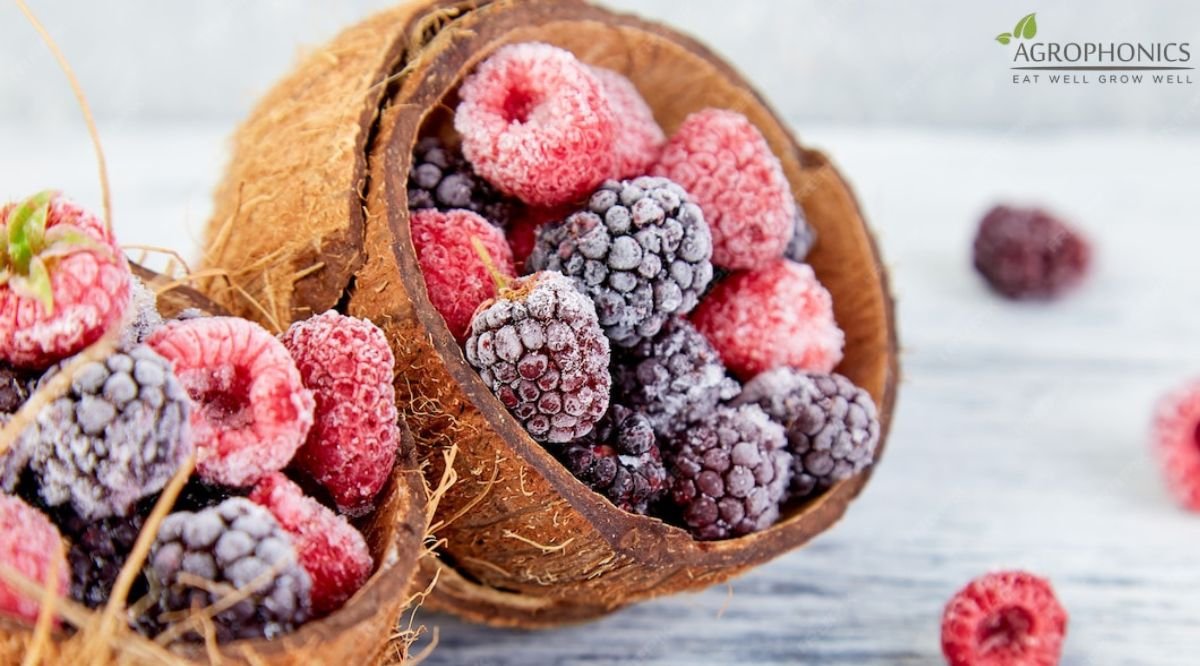
Freezing works by slowing down the biological and chemical reactions that cause food to deteriorate. It does not improve the fruit, but it stops further spoilage.
When berries are frozen:
• Water inside the fruit turns into ice
• Enzymes responsible for ripening and decay slow down
• Bacteria and mould become inactive
• Oxidation caused by oxygen exposure is reduced
At temperatures below minus eighteen degrees Celsius, these processes are almost completely paused. This is the main reason frozen berries can be stored for months without noticeable quality loss.
Why Temperature Control Is Critical for Long Shelf Life
Temperature plays the most important role in preserving frozen berries. Consistent freezing keeps quality intact.
At stable freezer temperatures:
• Microbial growth does not occur
• Enzyme activity remains extremely slow
• Nutrient breakdown is minimal
Problems usually arise when frozen berries are repeatedly thawed and refrozen. These fluctuations allow moisture movement and accelerate texture damage.
Do Frozen Berries Lose Nutritional Value Over Time?
Many people assume frozen berries are less nutritious than fresh ones. In reality, frozen berries retain nutrients very well when stored properly.
Frozen berries maintain nutrition because:
• They are frozen at peak ripeness
• Vitamins are protected from heat and light
• Antioxidants remain stable at low temperatures
• Nutrient loss happens very slowly during frozen storage
Fresh berries that travel long distances may lose nutrients over time due to exposure to air and temperature changes. Freezing locks in nutrients early and preserves them for months.
The Role of Rapid Freezing in Preserving Texture
Most frozen berries are frozen quickly soon after harvesting. This process is often referred to as rapid or flash freezing.
Rapid freezing helps because:
• Smaller ice crystals form inside the fruit
• Cell walls suffer less damage
• Berries hold their shape better after thawing
• Less juice leaks out
Slow freezing forms larger ice crystals that damage cell structure, leading to mushy texture. Fast freezing helps maintain better quality.
What Causes Quality Loss in Frozen Berries?
Frozen berries do not spoil easily, but quality can decline if storage conditions are poor. This does not make them unsafe, but it can affect taste and texture.
Quality loss usually occurs due to:
• Freezer burn caused by air exposure
• Repeated thawing and refreezing
• Temperature fluctuations inside the freezer
• Improper or loose packaging
Freezer burn happens when moisture escapes from the berry surface. Proper airtight packaging and stable temperatures help prevent this issue.
Understanding Best Before Dates on Frozen Berries
Frozen berries are labelled with best before dates, not expiry dates. This distinction is important.
Key points to understand:
• Best before refers to quality, not safety
• Frozen berries are often safe beyond this date if stored correctly
• Taste and texture may slowly decline over extended storage
When kept at proper freezer temperatures, frozen berries typically maintain good quality for eight to twelve months.
Why Thawed Berries Feel Softer Than Fresh Ones
After thawing, berries often feel softer. This is a natural result of freezing and thawing.
This happens because:
• Ice crystals damage some cell walls
• Water is released as ice melts
• The fruit structure becomes softer
This texture change does not affect nutritional value. Thawed berries are well suited for smoothies, baking, sauces, and desserts.
Best Practices for Storing Frozen Berries at Home
Proper home storage helps preserve quality for longer periods.
Good storage habits include:
• Keeping berries at the back of the freezer
• Maintaining a stable freezer temperature
• Resealing packaging tightly after each use
• Avoiding long exposure to room temperature
Stable storage conditions prevent unnecessary quality loss.
Why Frozen Berries Are a Reliable Everyday Food Choice
Because of their long shelf life and stable quality, frozen berries are dependable and practical.
They offer:
• Year-round availability
• Reduced food waste
• Easier meal planning
• Consistent nutrition
This reliability makes frozen berries popular in homes as well as in cafés, bakeries, and food service kitchens.
Fresh vs Frozen Berries: Shelf Life Comparison
A simple comparison highlights the difference clearly.
Fresh berries:
• Shelf life of only a few days
• High risk of spoilage
• Sensitive to handling
Frozen berries:
• Shelf life of several months
• Stable when stored correctly
• Minimal quality loss
Freezing remains one of the most effective ways to preserve berries.
Final Thoughts
Frozen berries last for months because freezing slows down the natural processes that cause food to spoil. Low temperatures reduce enzyme activity, stop microbial growth, and protect nutrients. Rapid freezing and proper storage further help preserve quality.
When handled correctly, frozen berries maintain their taste, nutritional value, and usability for long periods. They are not a compromise but a practical, science-backed way to enjoy berries without worrying about spoilage or waste.
Understanding how frozen berries work allows consumers to make informed, confident choices for everyday eating.
FAQ
1. Why do frozen berries last so much longer than fresh berries?
Frozen berries last longer because freezing slows down the natural processes that cause fruit to spoil. Low temperatures reduce enzyme activity and stop bacteria from growing, which helps preserve berries for months without major quality loss.
2. Will frozen berries still taste fresh after several months?
Yes, frozen berries can still taste fresh when stored properly. Their flavour is preserved because they are frozen soon after harvesting, locking in natural sweetness and freshness for long-term storage.
3. Does freezing change the nutritional value of berries?
Freezing does not significantly change the nutritional value of berries. Vitamins, antioxidants, and fiber remain stable at low temperatures, making frozen berries a reliable source of nutrition.