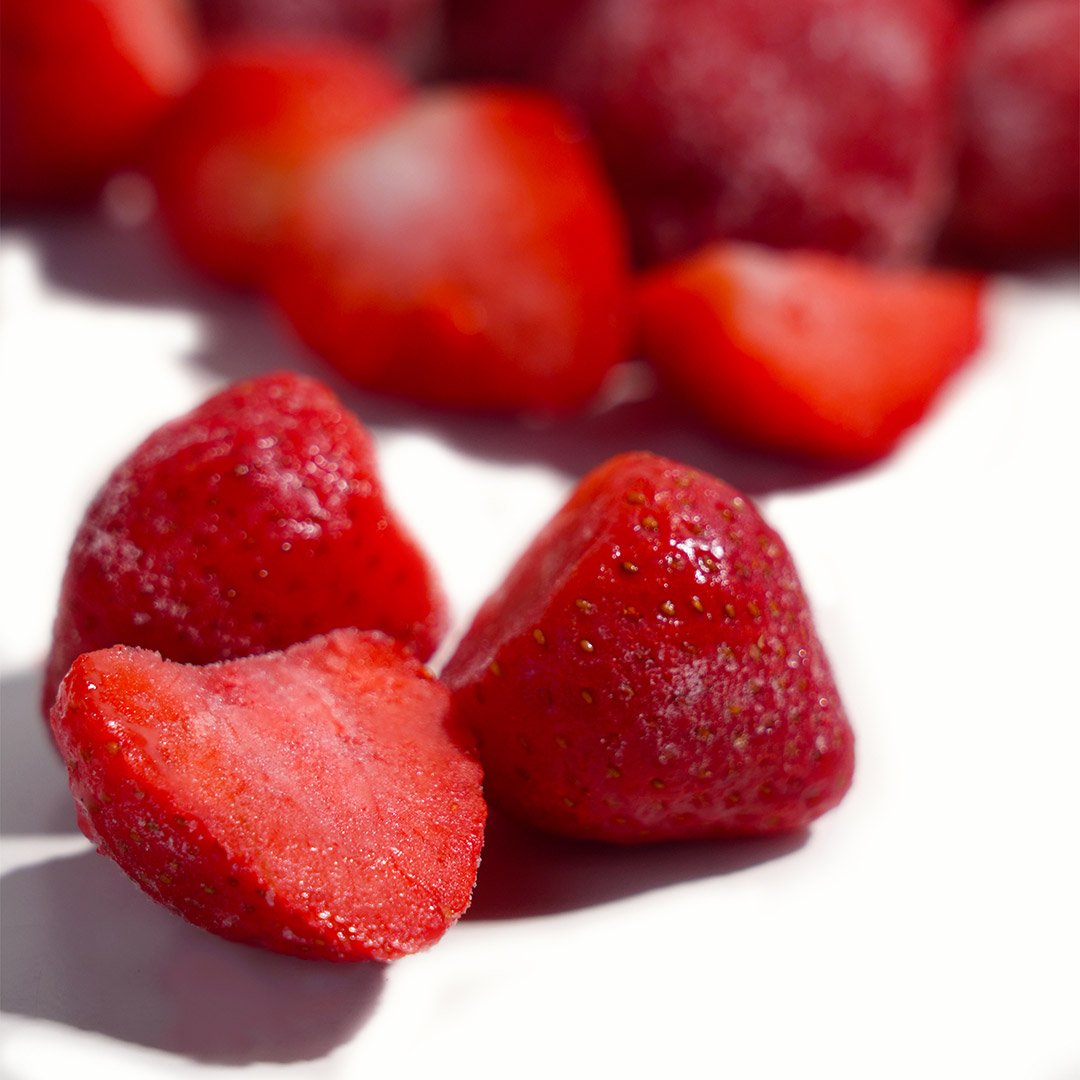
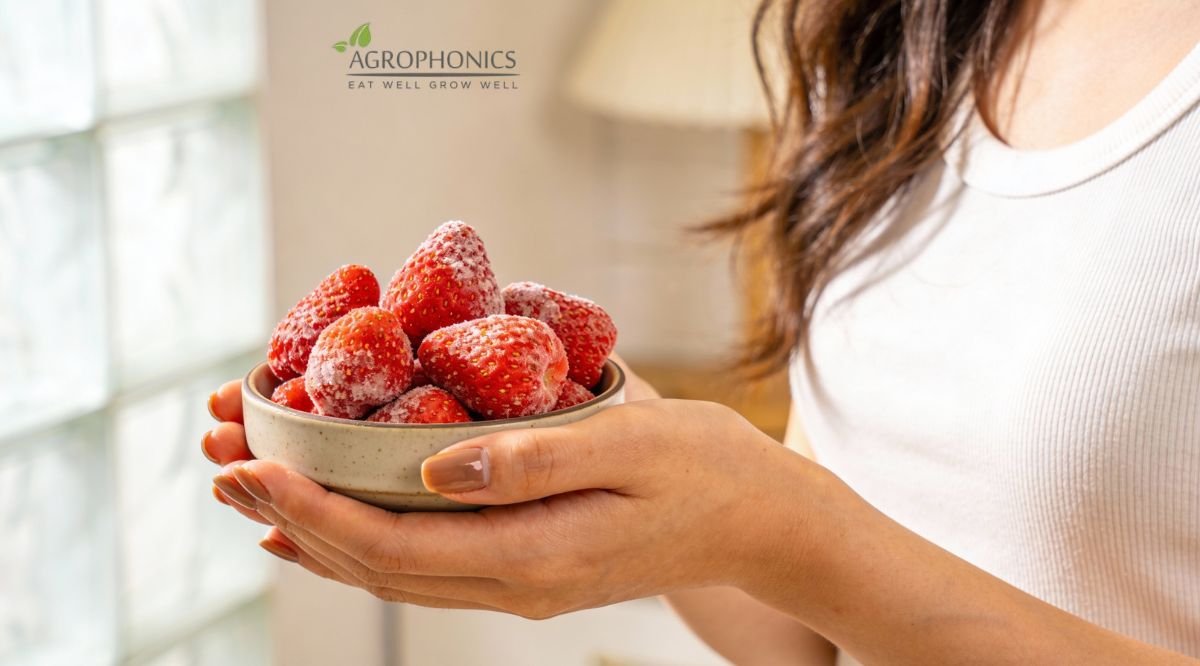
Frozen strawberries are often assumed to be inferior to fresh fruit in terms of flavor. In practice, the opposite is frequently true. Modern freezing technologies, combined with harvesting strawberries at peak maturity, allow frozen strawberries to retain their natural taste, aroma, and nutritional quality for extended periods often more reliably than fresh strawberries distributed through long supply chains.
This article explains how frozen strawberries maintain flavor even after months of storage, examining the science of fruit degradation, the role of IQF freezing, and why frozen strawberries have become a preferred ingredient for food manufacturers, importers, and professional kitchens worldwide.
What Happens to Strawberries After Harvesting
Strawberries are among the most fragile commercial fruits. Once harvested, they immediately begin to deteriorate due to biological and chemical processes that cannot be stopped only slowed.
After picking, strawberries:
- Continue to respire, consuming sugars and oxygen
- Lose moisture rapidly due to thin skin
- Undergo enzymatic breakdown of flavor compounds
- Become susceptible to oxidation and microbial growth
Unlike climacteric fruits, strawberries do not ripen after harvest. Their sugar content, aroma profile, and acidity are fixed at the moment of picking. Any delay between harvest and consumption results in gradual flavor loss.
Why Fresh Strawberries Lose Flavor So Quickly
Fresh strawberries sold in global markets are rarely consumed close to harvest. To withstand transportation and handling, they are typically harvested before full ripeness, when flavor development is incomplete.
Key factors that reduce flavor in fresh strawberries include:
Early Harvesting
Strawberries picked early have lower sugar concentration and weaker aromatic compounds.
Temperature Variability
During transport, small fluctuations in temperature accelerate enzymatic activity and moisture loss.
Oxidation
Exposure to oxygen degrades volatile aroma compounds responsible for strawberry flavor.
Shelf Life Pressure
Retail strawberries are optimized for appearance and durability, not taste.
As a result, “fresh” strawberries often arrive at their destination with diminished flavor, despite looking visually appealing.
IQF (Individual Quick Freezing) Technology Explained
Individual Quick Freezing (IQF) is the most widely used method for preserving strawberries intended for long-term storage and industrial use.
How IQF Freezing Works
- Strawberries are washed, sorted, and hulled immediately after harvest
- Fruit is frozen rapidly at temperatures between -30°C and -40°C
- Each strawberry freezes individually, preventing clumping
- Freezing occurs within minutes of processing
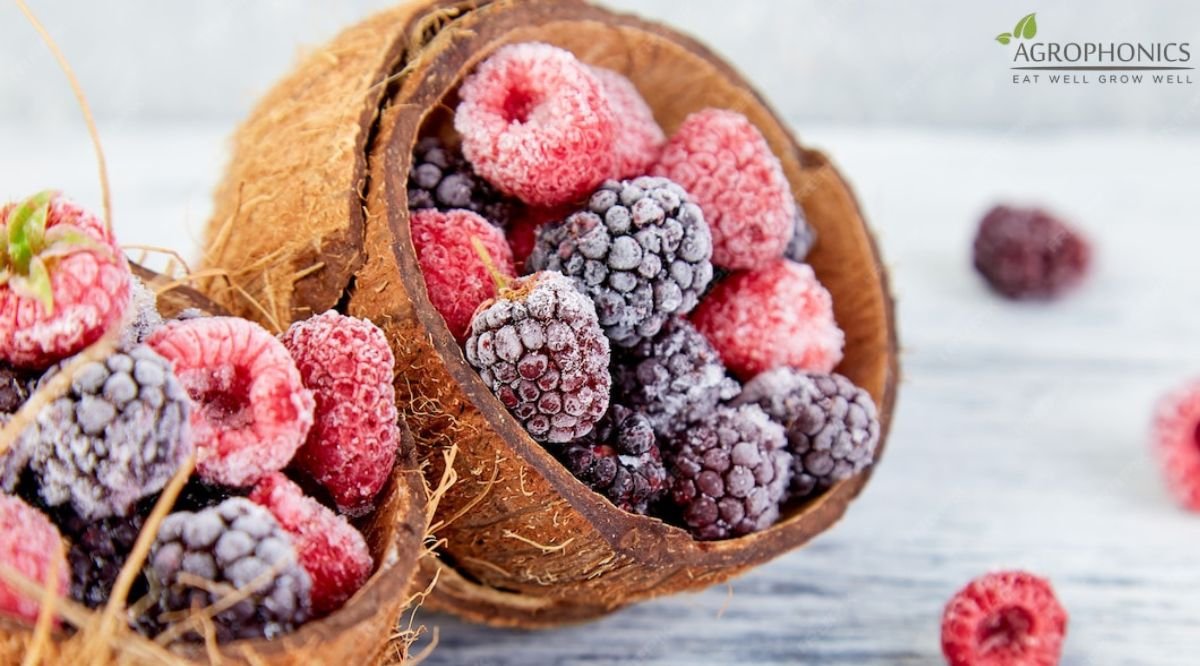
The speed of freezing is critical. Rapid temperature reduction prevents large ice crystal formation, which would otherwise damage cell structure.
How Freezing Preserves Flavor, Aroma, and Texture
Flavor in strawberries is a combination of:
- Natural sugars
- Organic acids
- Volatile aroma compounds
IQF freezing preserves all three by stopping biological activity almost instantly.
Key Preservation Mechanisms
- Minimal cell damage: Small ice crystals maintain cell integrity
- Aroma retention: Volatile compounds remain trapped inside cells
- Sugar stability: No further respiration or sugar breakdown
- Texture preservation: Especially important for processed applications
Properly frozen strawberries retain their original flavor profile until thawed and used.
The Importance of Freezing at Peak Ripeness
One of the most important advantages of frozen strawberries is when they are harvested.
Frozen strawberries are typically:
- Harvested at full maturity
- Picked when sugar-acid balance is optimal
- Frozen within hours of harvesting
Fresh strawberries for export are often harvested days earlier to survive logistics. This difference alone explains why frozen strawberries frequently deliver stronger and more consistent flavor.
Enzyme Activity and Oxidation: A Simple Explanation
Two processes are responsible for most post-harvest flavor loss.
Enzyme Activity
Naturally occurring enzymes continue to break down:
- Sugars → reduced sweetness
- Cell walls → softer texture
Freezing reduces enzyme activity to near zero.
Oxidation
Oxygen exposure causes:
- Loss of aroma
- Color fading
- Nutrient degradation
IQF processing minimizes oxygen exposure, preserving flavor and nutritional value.
Nutritional Retention in Frozen Strawberries
Frozen strawberries are not only flavorful they are nutritionally stable.
Nutritional Benefits
- Vitamin C is well preserved due to rapid freezing
- Antioxidants such as anthocyanins remain intact
- No chemical preservatives are required
In many cases, frozen strawberries contain equal or higher nutrient levels compared to fresh strawberries that have spent days in transit.
Frozen Strawberries vs Fresh Strawberries: Flavor and Quality Comparison
| Aspect | Fresh Strawberries | Frozen Strawberries |
| Harvest timing | Often early | Fully ripe |
| Flavor consistency | Variable | Highly consistent |
| Shelf life | 3–7 days | 12–24 months |
| Nutrient stability | Declines over time | Preserved |
| Industrial suitability | Limited | Excellent |
For applications where flavor consistency matters, frozen strawberries are often the more reliable option.
How Frozen Strawberries Are Used in the Food Industry
Frozen strawberries are a core ingredient across multiple food sectors due to their predictability and quality.
Common Applications
- Bakery fillings and fruit layers
- Smoothies and beverage bases
- Yogurts, ice creams, and dairy desserts
- Sauces, toppings, and coulis
For manufacturers, frozen strawberries offer controlled flavor, reduced waste, and year-round availability.
Cold Chain Management and Shelf Life Advantages
Flavor preservation does not end with freezing. Maintaining a strict cold chain is essential.
Cold Chain Benefits
- Prevents thaw-refreeze cycles
- Maintains texture and aroma
- Ensures microbiological safety
When stored at -18°C or lower, frozen strawberries maintain quality for up to 24 months without additives.
Suppliers such as Agrophonics specialize in managing this cold chain from processing to export, ensuring consistent product quality for global buyers.
How Do Frozen Strawberries Maintain Flavor for Months?
Frozen strawberries maintain flavor for months because they are:
- Harvested at peak ripeness
- Rapidly frozen using IQF technology
- Protected from oxidation and enzyme activity
- Stored under controlled frozen conditions
This process effectively preserves the strawberry in its optimal state until use.
Why Food Manufacturers and Importers Prefer Frozen Strawberries
From a commercial perspective, frozen strawberries provide:
- Consistent sensory quality
- Predictable supply across seasons
- Reduced spoilage and waste
- Compliance with international food safety standards
For exporters, frozen strawberries simplify logistics while meeting the expectations of professional buyers.
Final Thoughts
Frozen strawberries are not a secondary alternative to fresh fruit. When harvested at peak ripeness and frozen using IQF technology, they deliver stable flavor, preserved nutrition, and consistent quality over extended storage periods.
For food manufacturers, importers, and professional kitchens, frozen strawberries provide reliability that fresh strawberries often cannot. Suppliers with strong processing standards and cold chain control, such as Agrophonics, play a critical role in delivering this consistency to global markets
FAQs
Q1. Do frozen strawberries taste the same as fresh?
Answer: Frozen strawberries often taste equal or better than fresh strawberries that have undergone long transport.
Q2. How long do frozen strawberries keep their flavor?
Answer: When properly stored, frozen strawberries retain flavor for 12–24 months.
Q3. Are frozen strawberries healthy?
Answer: Yes. They retain vitamins, antioxidants, and fiber without added preservatives.
Q4. Is IQF better than traditional freezing?
Answer: IQF preserves texture, flavor, and appearance more effectively than slow freezing.
Q5. Why do manufacturers use frozen strawberries instead of fresh?
Answer: Frozen strawberries offer consistency, cost efficiency, and year-round availability.