

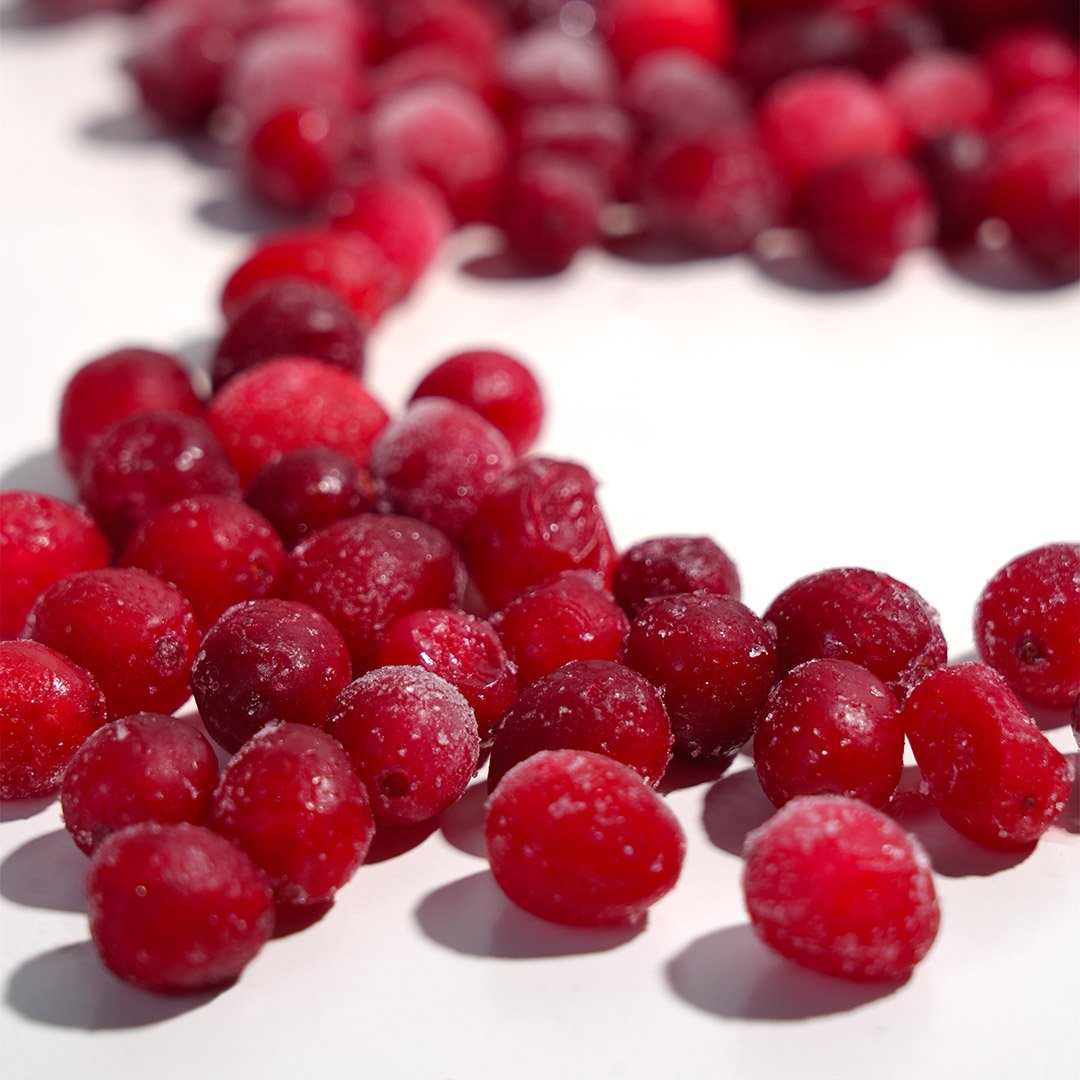

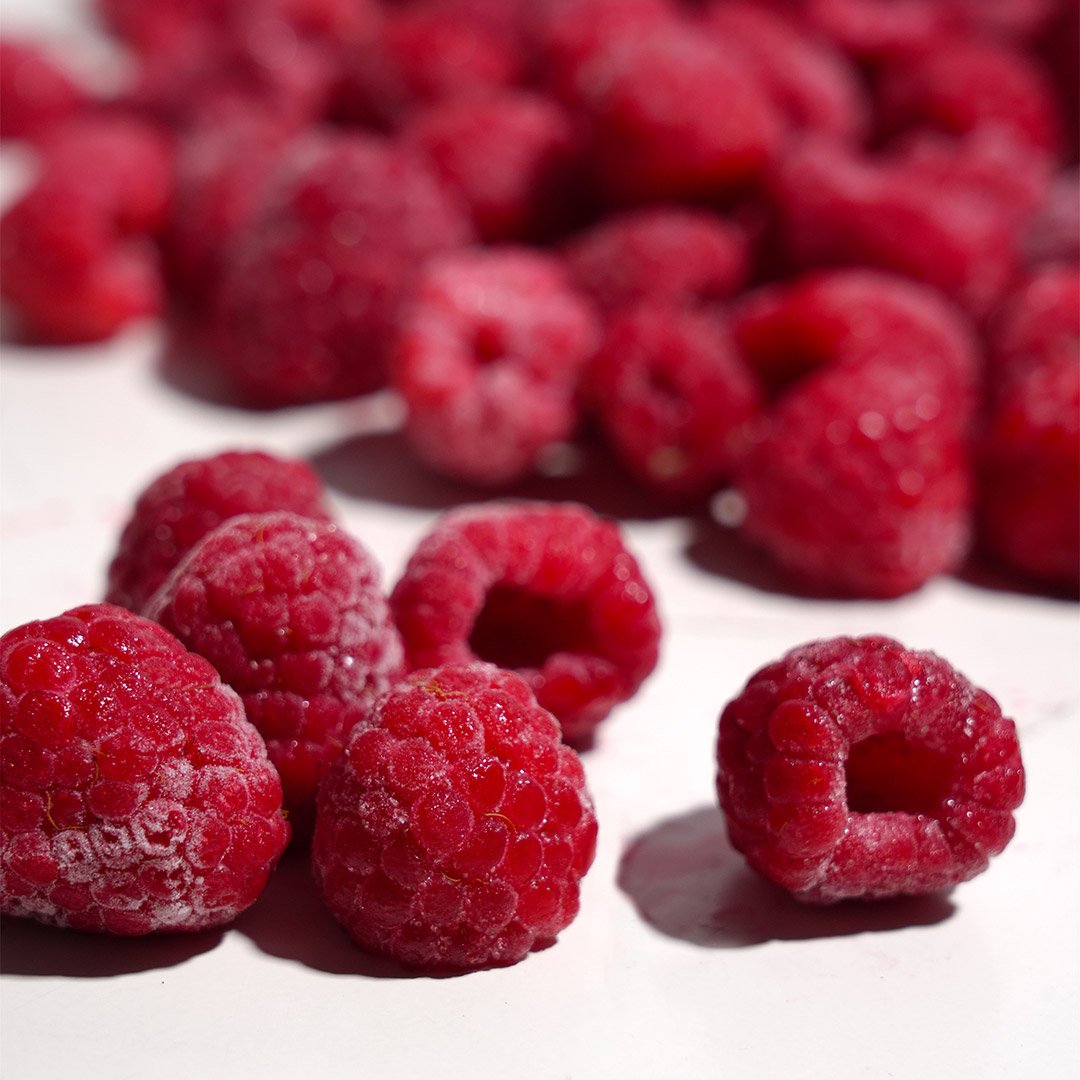


More than 537 million adults are living with diabetes worldwide, and for many of them, daily food choices feel stressful. Even a small mistake can lead to uncomfortable blood sugar spikes. That is why frozen fruits for diabetics have become a common topic of concern. Are they safe, or do they quietly raise glucose levels?
Fruit contains natural sugars, but it also offers fiber, antioxidants, and essential nutrients. The confusion often lies in how freezing affects these benefits.
If you are wondering whether frozen fruit fits into a diabetes-friendly diet, this guide will give you clear, practical answers so you can make smarter and more confident choices.
Are Frozen Fruits Safe for Diabetics?
Yes, frozen fruits are safe for diabetics when chosen wisely and eaten in proper portions. Unsweetened frozen fruit retains fiber, vitamins, and antioxidants similar to fresh fruit. Because fiber slows sugar absorption, low glycemic fruits like berries, kiwi, and mulberries can support steady blood sugar control. Avoid syrup-packed options and monitor portion sizes for best results.
Frozen Fruits vs Fresh Fruits – Which Is Better for Diabetics?
Many people assume fresh fruit is always better. The truth is more practical.
Most frozen fruits are picked at peak ripeness and frozen quickly. This process helps preserve nutrients. From a blood sugar perspective, frozen and fresh fruits are often similar.
The difference comes down to added sugars and portion control.
Nutritional Comparison
| Factor | Fresh Fruit | Unsweetened Frozen Fruit |
| Fiber | Natural fiber intact | Fiber remains intact |
| Sugar | Natural fruit sugars | Natural fruit sugars only |
| Glycemic Index | Varies by fruit | Similar to fresh |
| Nutrient Retention | Can decline during storage | Preserved through freezing |
| Shelf Life | Short | Long |
Important: Avoid frozen fruits packed in syrup or labeled sweetened. Those can raise blood sugar quickly.
When comparing frozen vs fresh fruit nutrition, unsweetened frozen options can be just as supportive in a diabetic diet plan.
Best Frozen Fruits for Diabetes
Not all fruits affect blood sugar the same way. Here are some of the best frozen fruits for diabetes, based on glycemic index and nutrient profile.
1. Frozen Indian Mulberries
Glycemic Index: 25 to 30
Mulberries are considered low glycemic fruits. They contain fiber and plant compounds that may help with insulin resistance.
Why helpful: Their natural sweetness is balanced by fiber, slowing glucose absorption.
Portion suggestion: ½ cup per serving.
2. Frozen Strawberries
Glycemic Index: Around 40
Strawberries are among the most popular frozen berries for diabetics. They are low in sugar and rich in antioxidants.
Why helpful: Fiber and vitamin C support blood sugar control and heart health.
Portion suggestion: ¾ cup per serving.
3. Frozen Kiwi Slices
Glycemic Index: 50
Kiwi has moderate natural sugars but also contains fiber and vitamin C.
Why helpful: Fiber and acidity may slow digestion and glucose rise.
Portion suggestion: 1 small kiwi or ½ cup sliced.
4. Frozen Anjeer Slices
Glycemic Index: 35 to 40
Anjeer, or figs, contain fiber and minerals. However, they are naturally sweeter than berries.
Why helpful: When eaten in controlled amounts, fiber helps reduce rapid sugar spikes.
Portion suggestion: 2 to 3 small slices.
5. Frozen Black Grapes
Glycemic Index: 45 to 50
Grapes contain antioxidants like resveratrol.
Why helpful: Polyphenols may support insulin function.
Portion suggestion: 10 to 12 grapes.
6. Frozen Alphonso Mango
Glycemic Index: 51 to 60
Mango is higher on the glycemic index compared to berries.
Why helpful: Rich in vitamins and fiber, but portion control is essential.
Portion suggestion: ¼ to ½ cup diced.
For people managing fruit for type 2 diabetes, berries and mulberries remain safer daily choices, while mango works better as an occasional treat.
Fruits Diabetics Should Limit
Some fruits contain higher natural sugars or have a higher glycemic index.
| Fruit | Why to Limit | Better Alternative |
| Banana (ripe) | Higher GI when very ripe | Frozen strawberries |
| Pineapple | Fast glucose rise | Kiwi slices |
| Chikoo | High natural sugar | Mulberries |
| Sweetened frozen fruit mix | Added sugars | Unsweetened frozen berries |
This does not mean complete avoidance. It simply means portion control for diabetics matters.
Health Benefits of Frozen Fruits for Diabetics
Blood Sugar Control
Low glycemic fruits digest slowly. Fiber and natural compounds reduce sudden glucose spikes.
High Fiber Content
Fiber and blood sugar are closely connected. Soluble fiber slows digestion and improves satiety.
Rich in Antioxidants
Antioxidants in berries help reduce oxidative stress, which is common in diabetes.
Weight Management
Healthy frozen foods like berries can replace sugary desserts. Fewer cravings mean better calorie control.
Heart Health Support
People with diabetes have a higher risk of heart disease. Fruits rich in potassium and antioxidants may support heart health when part of a balanced diet.
Did You Know?
- Freezing preserves most vitamins and minerals because fruits are frozen soon after harvest.
- Some frozen berries contain more antioxidants than fresh ones stored for days.
- Fiber slows sugar absorption, helping stabilise blood glucose levels.
- The glycemic index of fruits changes depending on ripeness. Riper fruits raise sugar faster.
- Portion size has a direct impact on glucose response, even for low carb fruits.
These small details make a big difference in diabetes-friendly snacks.
Common Myths About Frozen Fruits and Diabetes
Myth: Frozen fruits have more sugar
Fact: Unsweetened frozen fruit contains only natural fruit sugars, similar to fresh fruit.
Myth: Diabetics must avoid all fruits
Fact: Fruits provide fibre, vitamins, and antioxidants. Choosing low glycemic fruits and controlling portions makes them safe.
Myth: Frozen fruits are processed junk
Fact: Freezing is a preservation method. It does not add sugar unless syrup is included.
Myth: All fruits spike blood sugar equally
Fact: The glycaemic index of fruits varies widely. Berries and mulberries are gentler on glucose than ripe bananas or pineapple.
Make Smarter Fruit Choices
Managing diabetes does not mean living without fruit. It means choosing wisely.
Low glycemic fruits, proper portions, and clean sourcing make all the difference. Frozen fruits for diabetics can be convenient, nutritious, and safe when selected carefully.
If you are looking for dependable, unsweetened, and premium-quality frozen fruit options, Agrophonics offers a range designed for health-conscious consumers and families managing blood sugar levels.
Choose better. Eat smarter. Browse premium frozen fruit selections at Agrophonics.
This content is informational and not medical advice.
Frequently Asked Questions
Q1. Are frozen fruits high in sugar?
Answer: Unsweetened frozen fruits contain natural fruit sugars, similar to fresh fruit. They do not contain added sugar unless labeled sweetened. Portion size determines the overall sugar impact.
Q2. Which frozen fruit has the lowest glycemic index?
Answer: Berries such as strawberries and mulberries generally have lower glycemic index values, making them suitable for better blood sugar control.
Q3. Can frozen berries raise blood sugar?
Answer: Yes, but moderately. Because they are rich in fiber and antioxidants, the rise is slower compared to high GI fruits.
Q4. How much fruit can a diabetic eat per day?
Answer: Most people with diabetes can consume 1 to 2 small servings of fruit daily, depending on individual blood sugar response and medical guidance.
Q5. Are frozen fruits better than canned fruits?
Answer: Yes. Canned fruits often contain added syrup or sugar. Unsweetened frozen fruit usually contains no added sugars.
Q6. Is frozen mango safe for diabetics?
Answer: Frozen mango can be consumed in small portions. Limit intake to ¼ to ½ cup and pair with protein to slow glucose rise.