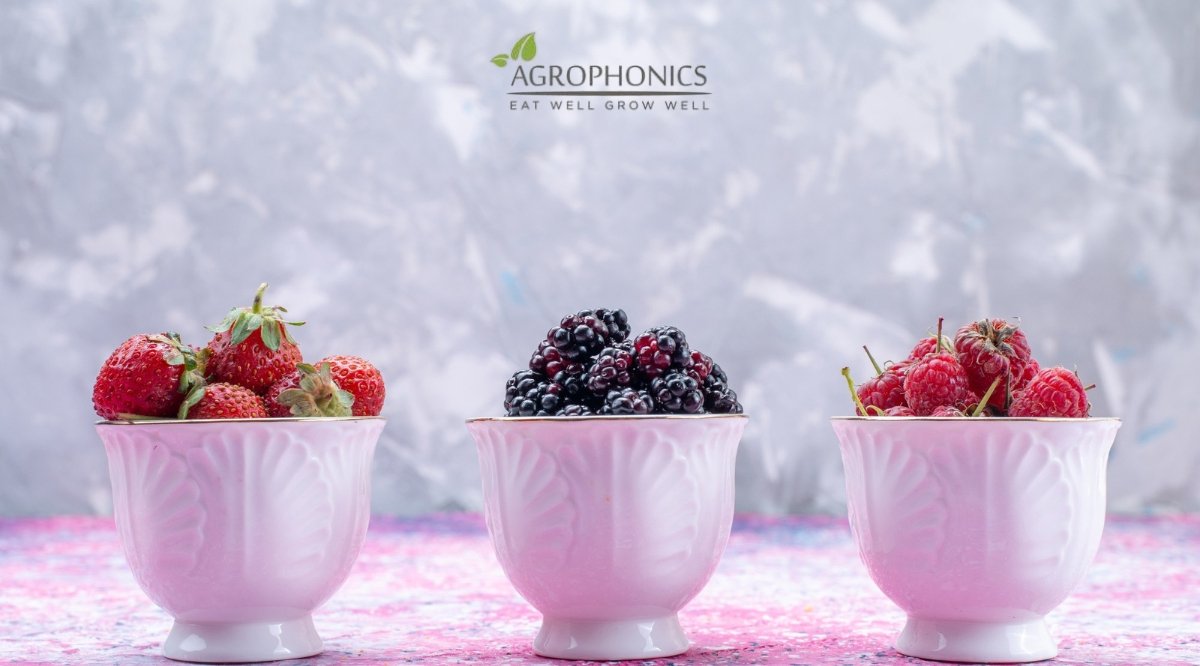
Frozen berries have become a staple across modern kitchens and commercial food operations. From health focused smoothies to large scale food manufacturing, their popularity continues to grow due to convenience, consistency, and nutritional reliability.
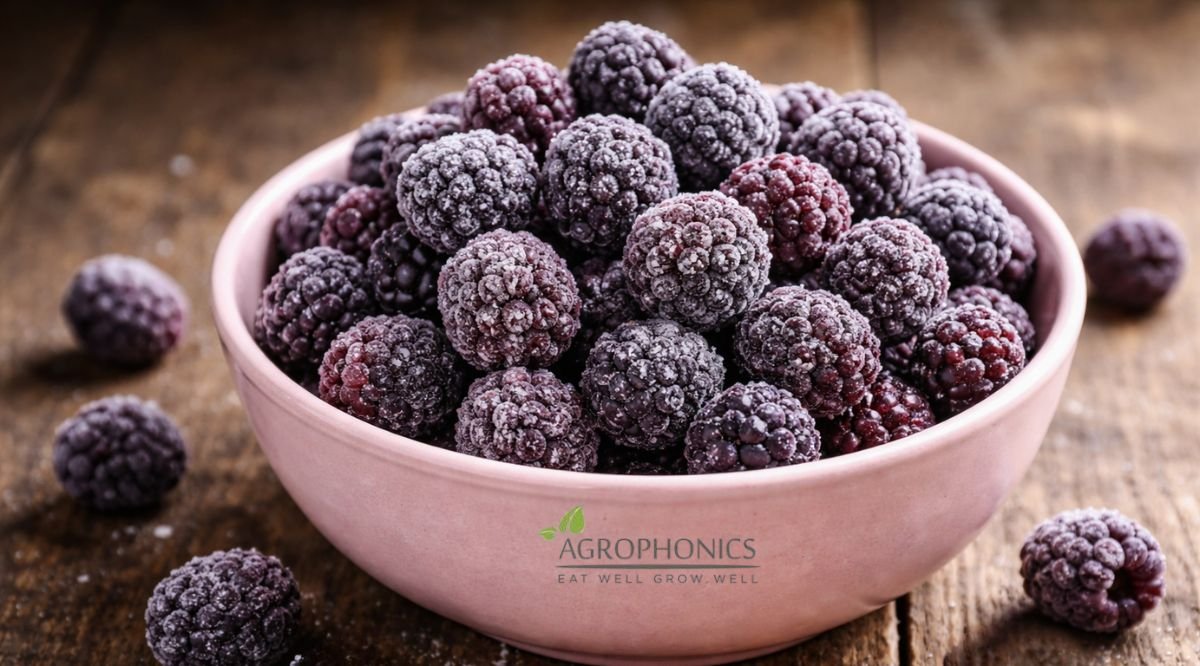
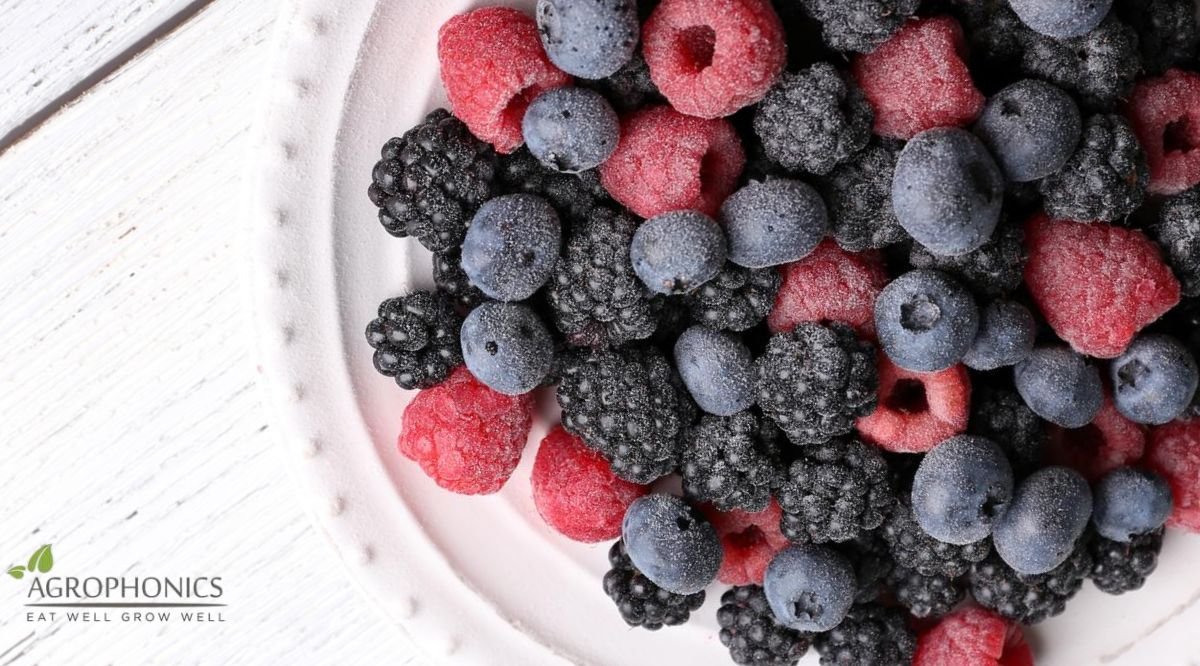
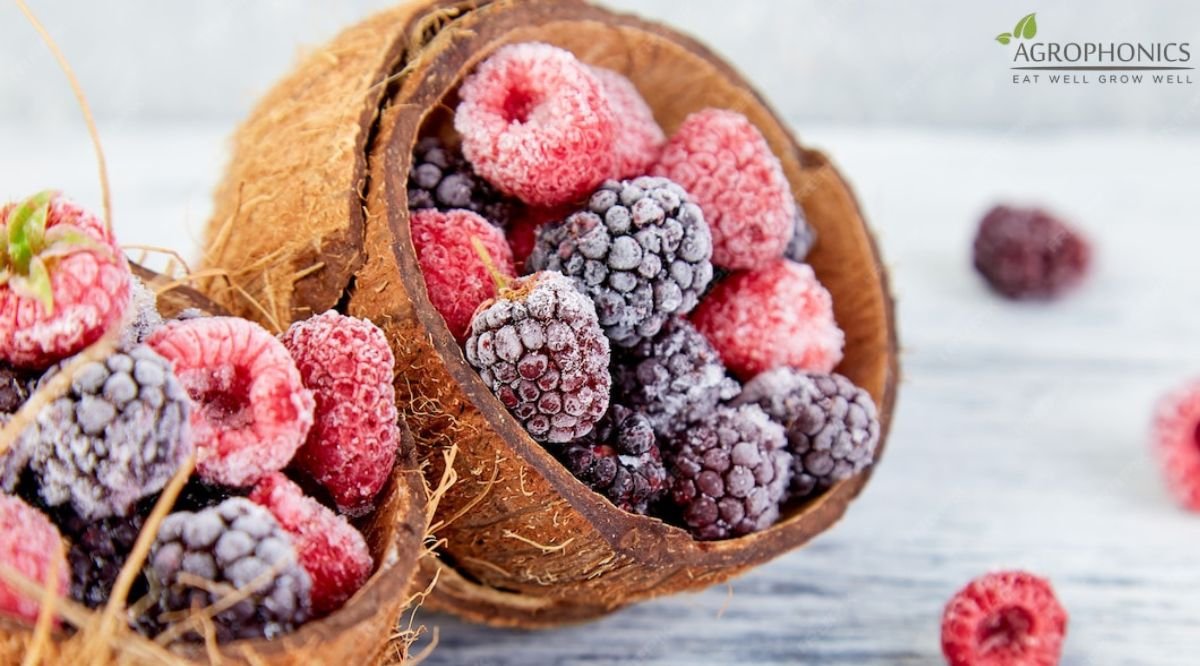
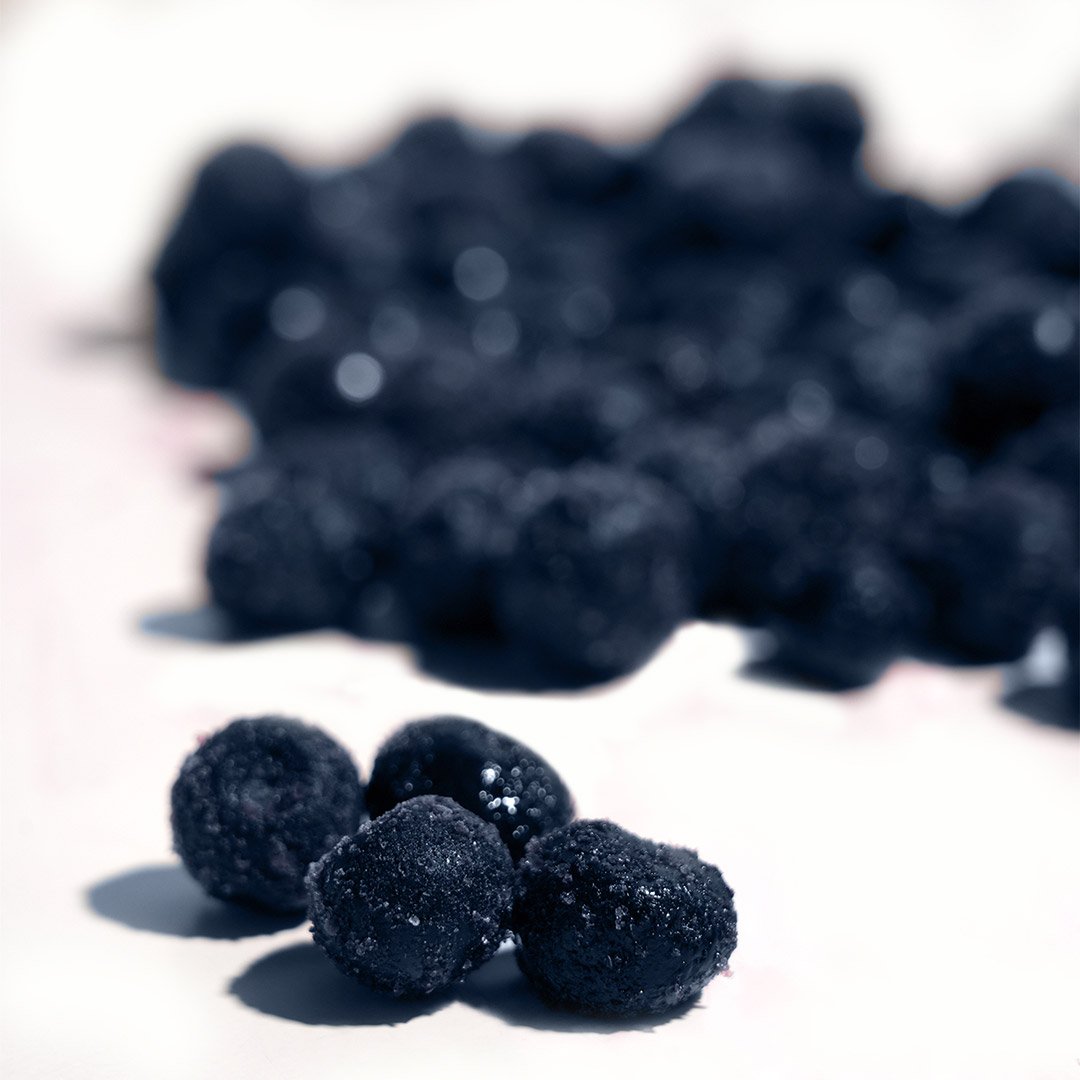
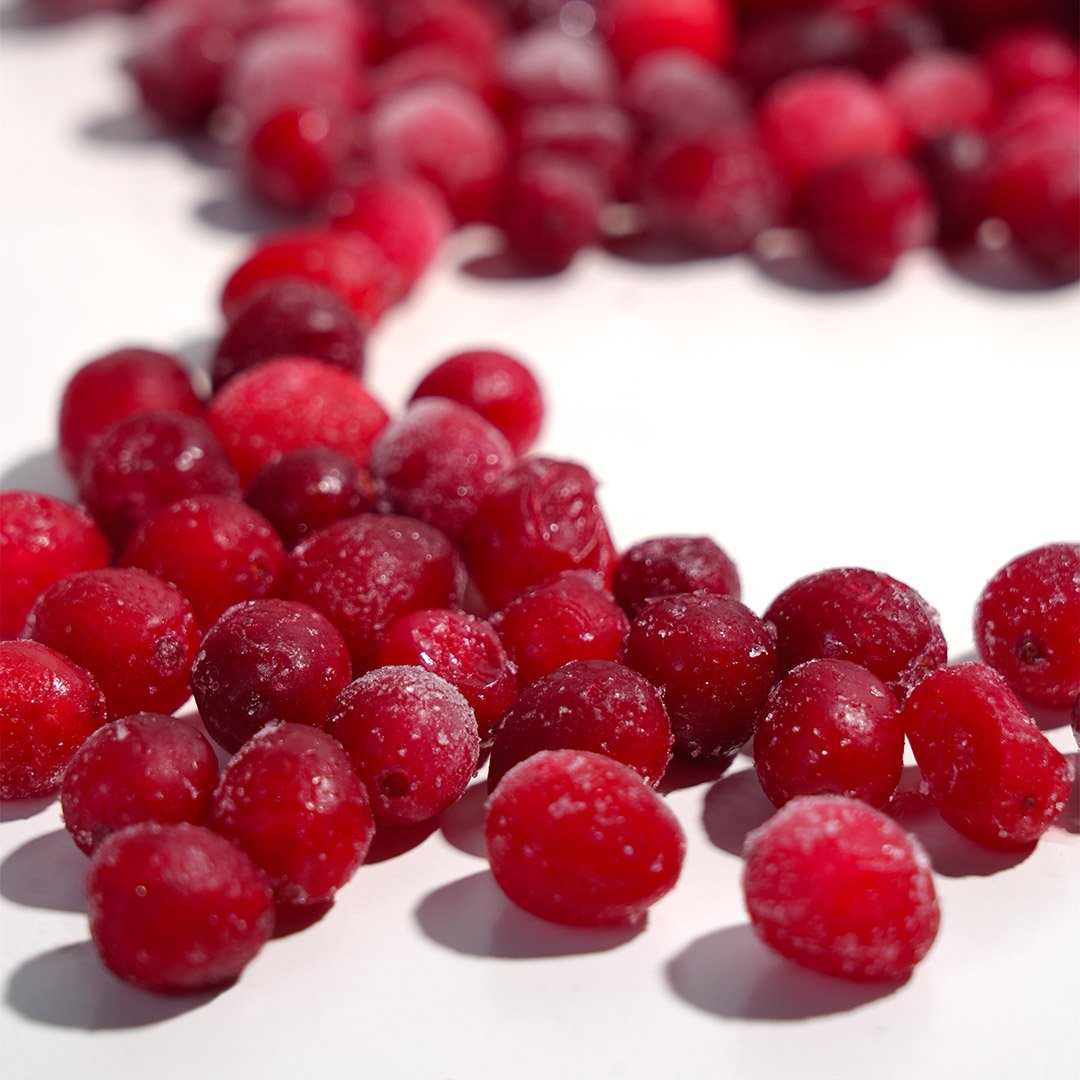
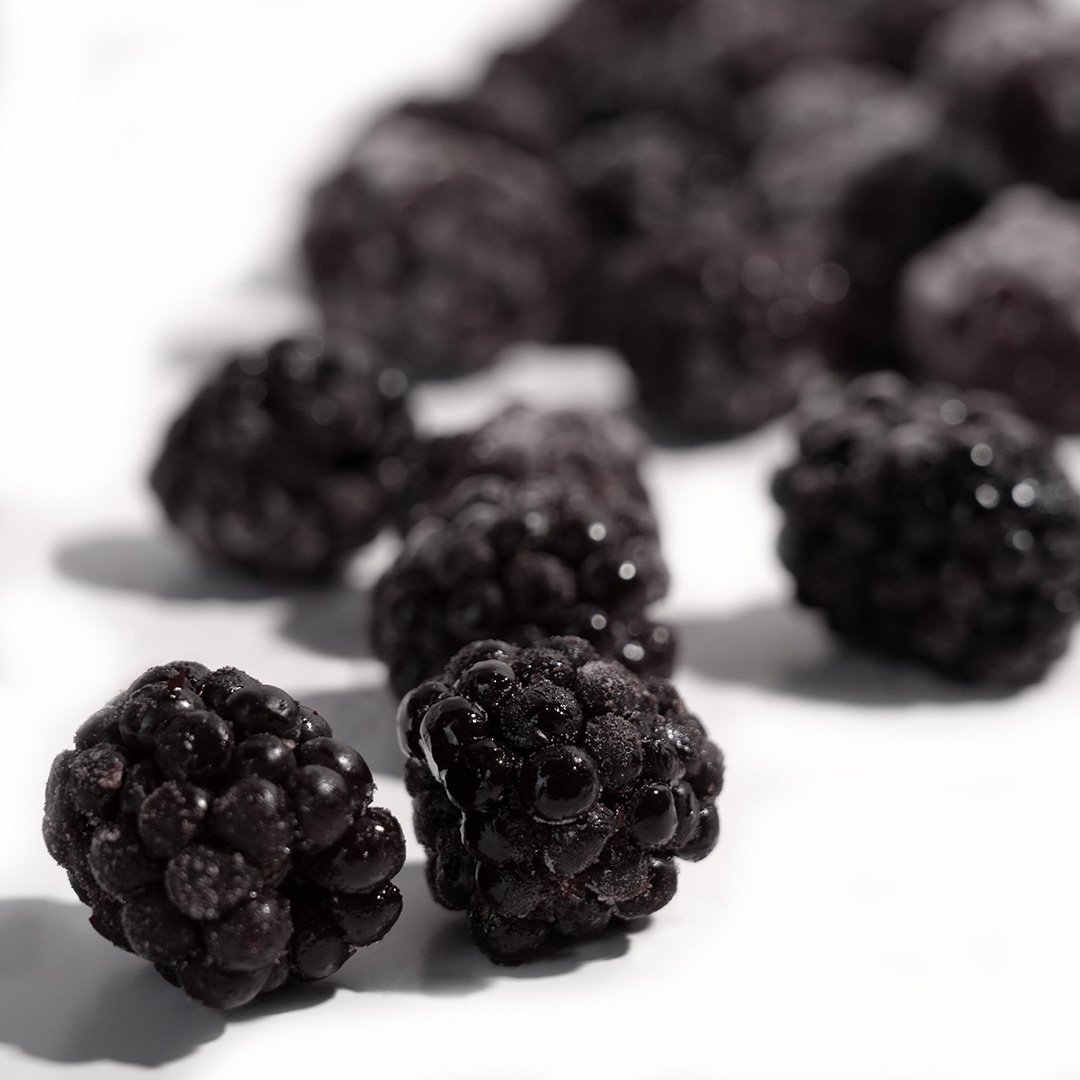
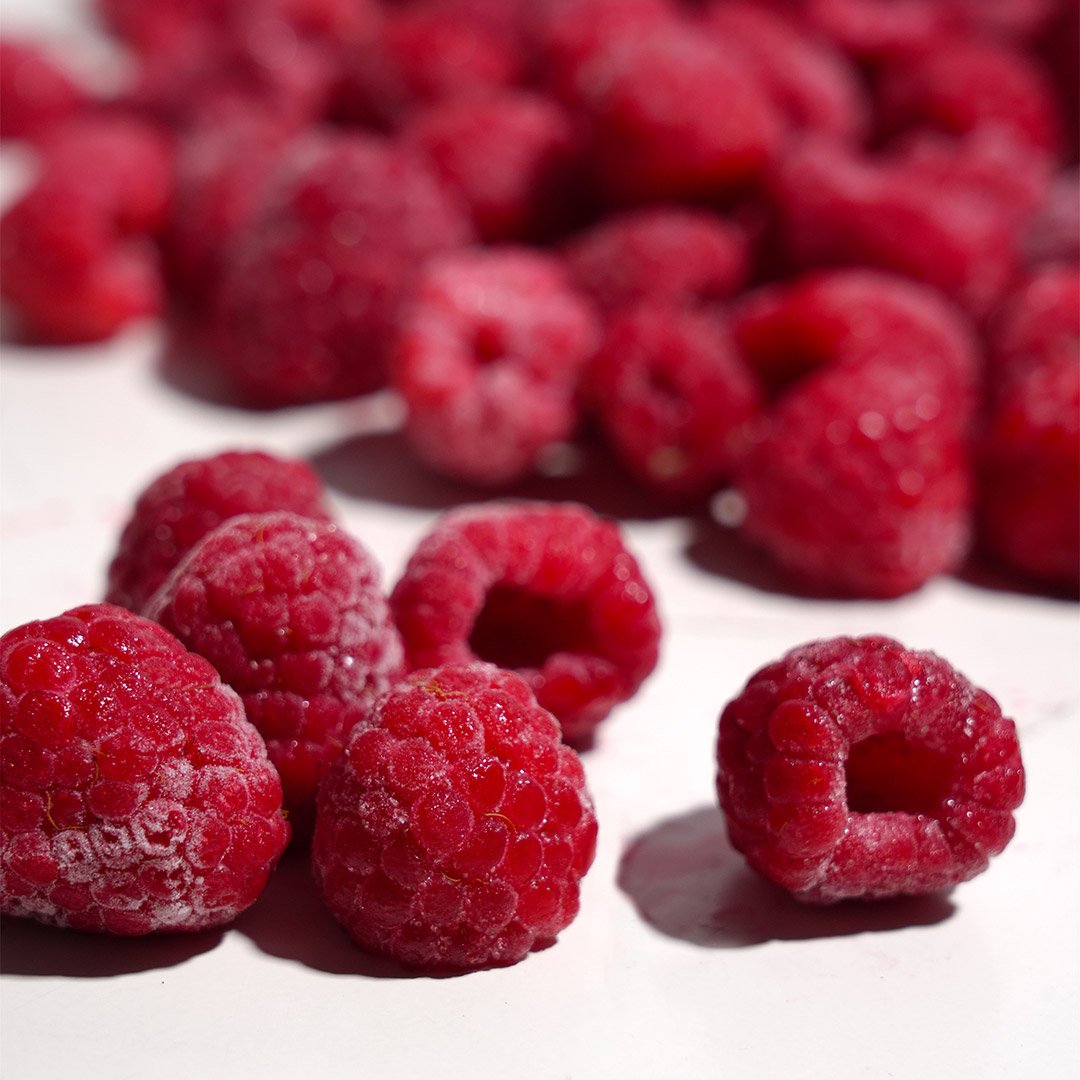
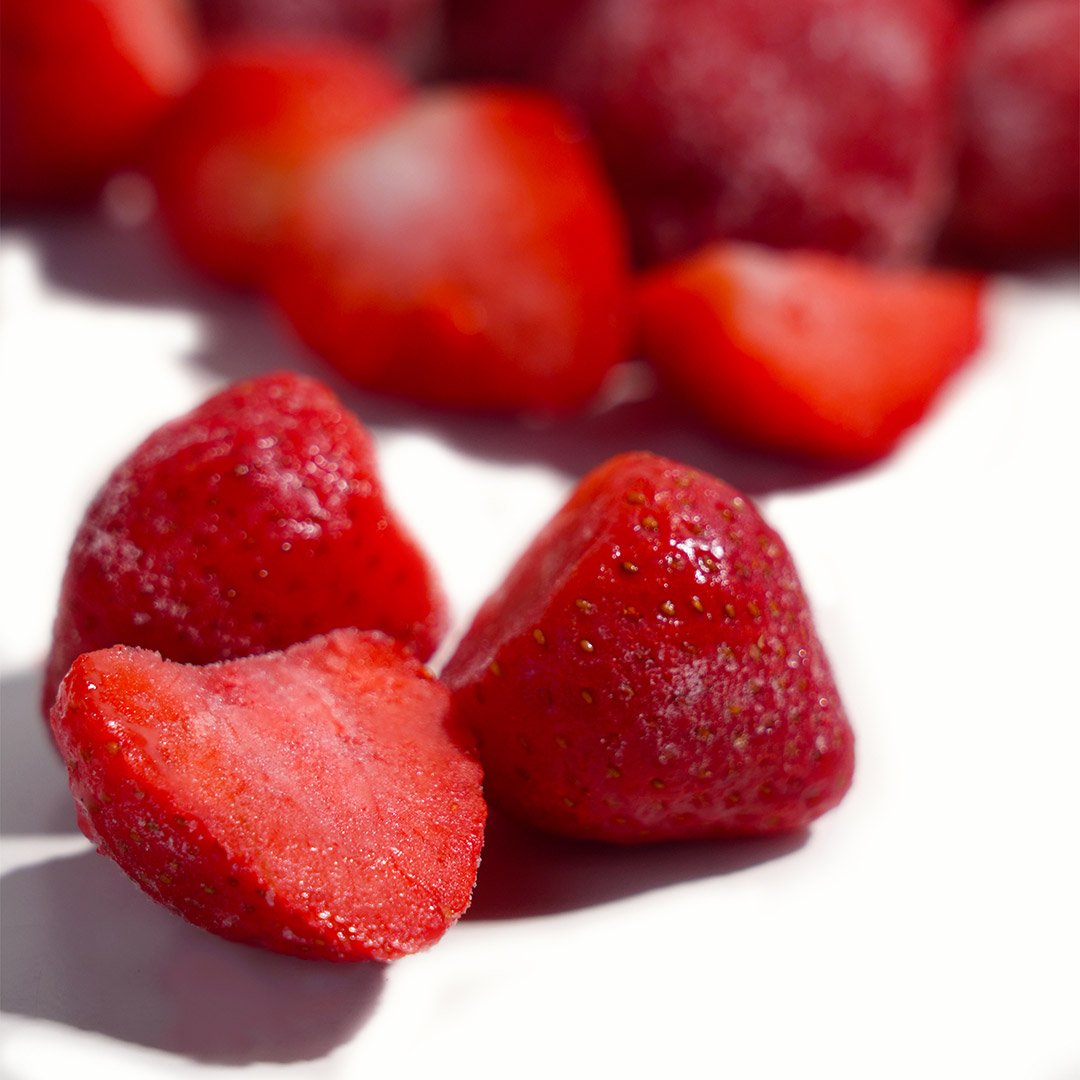
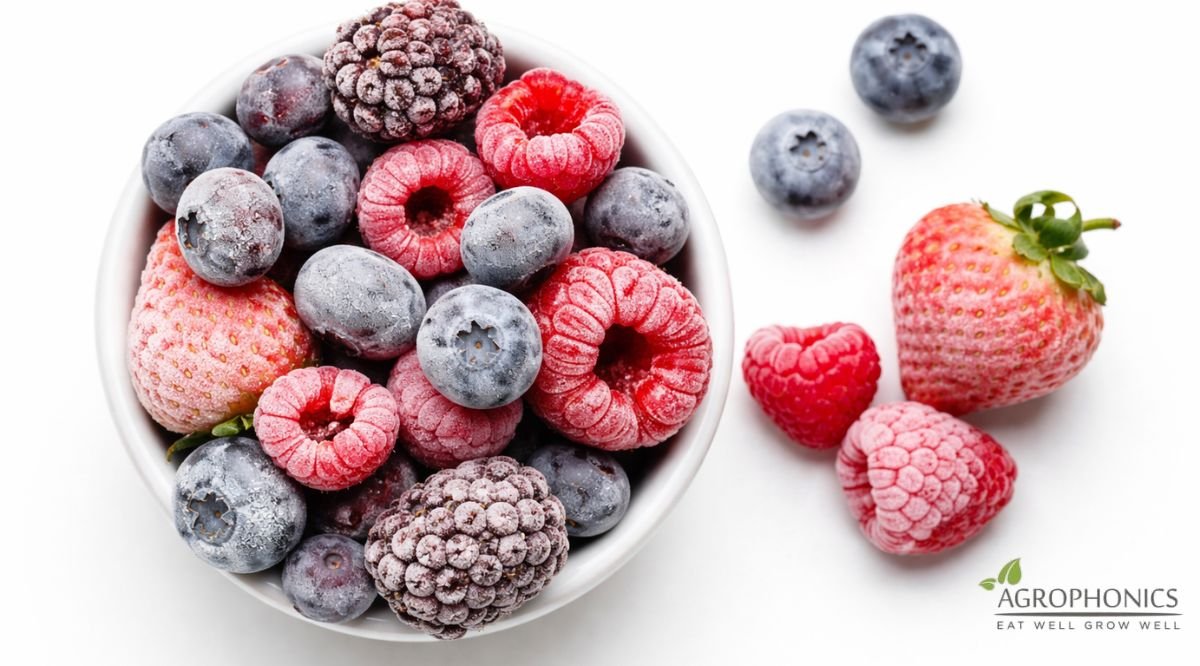
Frozen berries are fruits such as strawberries, blueberries, raspberries, and blackberries that are harvested at peak ripeness and frozen shortly after. This process helps preserve their natural flavour, texture, and nutrients. With rising demand for year round availability and reduced food waste, frozen berries are now preferred by both households and professional buyers across global markets.
For businesses and consumers alike, understanding frozen berries shelf life, nutrition, and best use cases helps in making informed purchasing decisions.
Understanding What Frozen Berries Are
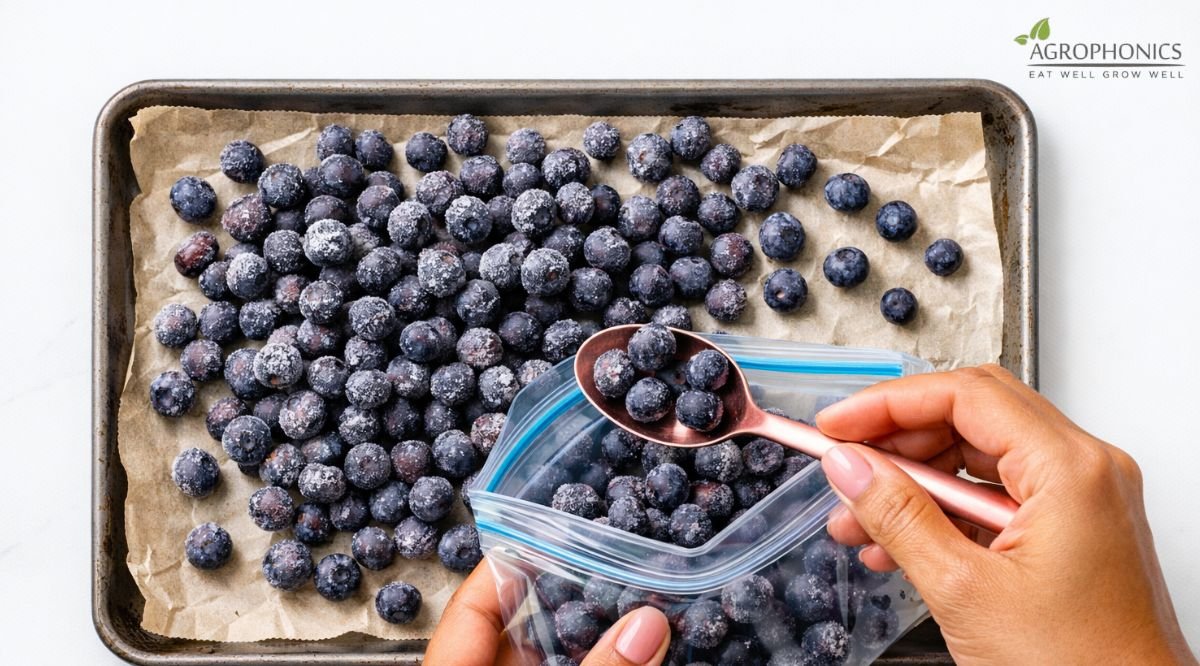
Frozen berries are fruits that undergo rapid freezing soon after harvest, most commonly using the Individual Quick Freezing method. This technique freezes each berry separately, preventing clumping and preserving structure.
How Frozen Berries Are Processed
- Harvested at peak maturity
- Washed and sorted for quality
- Rapidly frozen using IQF technology
- Stored at controlled temperatures to maintain freshness
Frozen Berries vs Fresh Berries
Fresh berries often travel long distances and may be harvested before full ripeness. Frozen berries are typically frozen close to the farm, locking in quality early.
Why Freezing Preserves Quality
Quick freezing minimises ice crystal formation inside the fruit. This helps maintain cell structure, taste, and nutritional value over extended storage periods.
Shelf Life of Frozen Berries
Frozen berries shelf life depends on storage conditions and handling. When stored correctly, they offer long term usability without compromising quality.
Shelf Life Comparison Table
| Storage Condition | Shelf Life |
| Commercial cold storage at -18°C | 18 to 24 months |
| Unopened home freezer storage | 12 to 18 months |
| Opened pack in home freezer | 6 to 9 months |
| Refrigerated after thawing | 1 to 2 days |
Storage Best Practices
- Store at consistent temperatures below -18°C
- Avoid repeated thawing and refreezing
- Seal opened packs tightly to prevent moisture exposure
Nutritional Value of Frozen Berries
Frozen berries nutrition remains remarkably high due to minimal processing and rapid freezing.
Key Nutrients Found in Frozen Berries
- Vitamin C supports immunity and skin health
- Vitamin K plays a role in bone health
- Dietary fiber supports digestion and gut balance
- Antioxidants and polyphenols help combat oxidative stress
Because berries are frozen at peak ripeness, nutrient retention can be equal to or higher than fresh berries that spend days in transit and storage.
Health Benefits of Frozen Berries
Frozen berries health benefits make them a valuable addition to daily diets.
- Supports immune function due to antioxidant content
- Promotes heart health through polyphenols
- Improves gut health with natural fiber
- Aids weight management with low calorie density
- Helps reduce inflammation in the body
These benefits make frozen berries suitable for everyday consumption.
Best Use Cases of Frozen Berries
Frozen berries are versatile and widely used across home kitchens and the food industry.
Common Applications
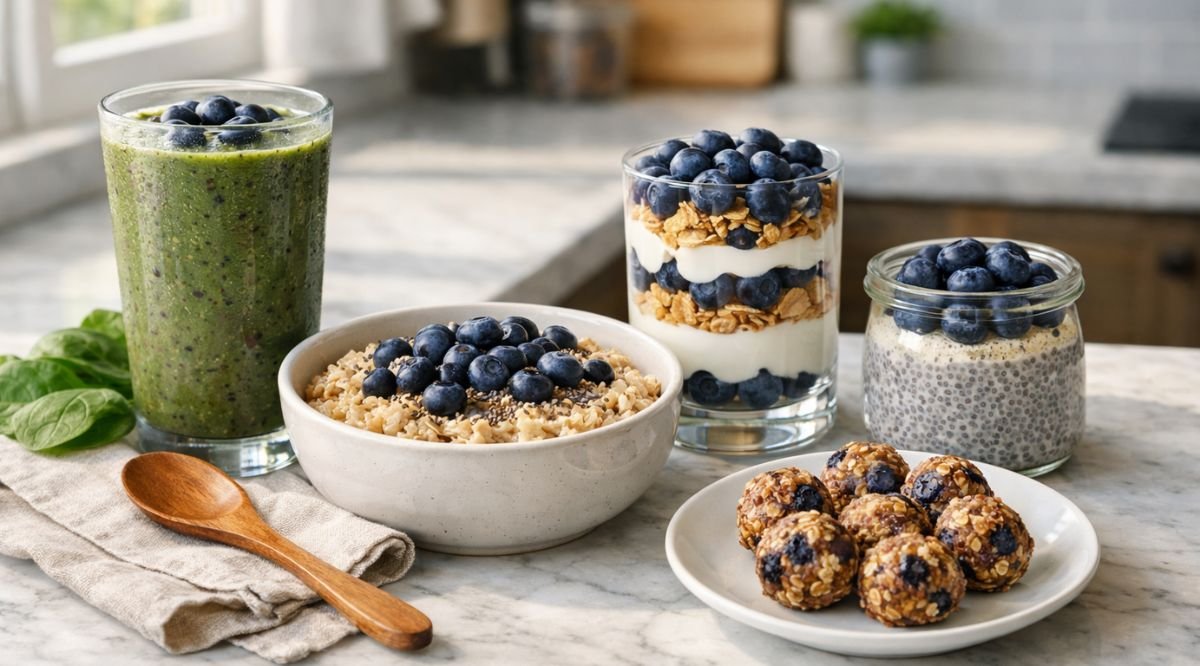
- Smoothies and protein shakes
- Bakery items such as muffins, cakes, and pastries
- Yogurt, cereals, and breakfast bowls
- Sauces, jams, and dessert toppings
- Ice creams and frozen desserts
B2B and Bulk Usage
Food manufacturers, bakeries, and HoReCa businesses prefer frozen berries for their consistent sizing, controlled costs, and year round availability. Bulk frozen berries simplify production planning and reduce ingredient variability.
Frozen vs Fresh Berries: Which Is Better?
The choice depends on use case, but frozen berries often offer practical advantages.
| Factor | Frozen Berries | Fresh Berries |
| Price stability | Consistent year round | Seasonal fluctuations |
| Shelf life | Long term storage | Short lifespan |
| Nutrition | Preserved at peak | Degrades over time |
| Availability | All seasons | Limited seasons |
| Waste reduction | Minimal | High spoilage risk |
How to Choose High Quality Frozen Berries
Selecting the right frozen berries ensures safety, taste, and performance.
- Look for IQF frozen berry labelling.
- Avoid products with added sugar or preservatives
- Check for uniform color and intact texture
- Source from trusted frozen fruit manufacturers
Reputable suppliers like Agrophonics follow strict quality control and cold chain management, ensuring reliable supply for domestic and export markets.
Why Businesses Prefer Frozen Berries
Frozen berries for food industry use offer operational and financial benefits.
- Cost efficiency through reduced spoilage
- Reliable year round availability
- Consistent quality and portion control
- Easier inventory planning
These advantages make frozen berries a preferred ingredient for bakeries, beverage brands, and food processors.
Conclusion
Frozen berries offer a practical balance of nutrition, convenience, and shelf stability. Their long shelf life, retained nutrients, and versatile applications make them valuable for both consumers and businesses.
Choosing a reliable frozen fruit supplier ensures consistent quality and food safety. Agrophonics continues to support food manufacturers, exporters, and hospitality businesses with premium frozen berries designed to meet modern food industry demands.
FAQs
Q1. Are frozen berries healthy?
Answer: Yes, frozen berries retain most of their nutrients and are rich in antioxidants and fiber.
Q2. Do frozen berries lose nutrients?
Answer: Minimal nutrient loss occurs during freezing. In many cases, frozen berries retain nutrients better than fresh berries stored for several days.
Q3. How long do frozen berries last?
Answer: When stored at -18°C, frozen berries can last up to 24 months in commercial cold storage.
Q4. Can frozen berries be used without thawing?
Answer: Yes, they can be used directly in smoothies, baking, and cooking applications.
Q5. Are frozen berries good for smoothies?
Answer: Frozen berries for smoothies are ideal as they provide thickness, flavor, and nutritional value.
Q6. Are frozen berries safe for daily consumption?
Answer: Yes, when sourced from certified suppliers and stored properly, they are safe for regular consumption.